Conservation in Cambodia
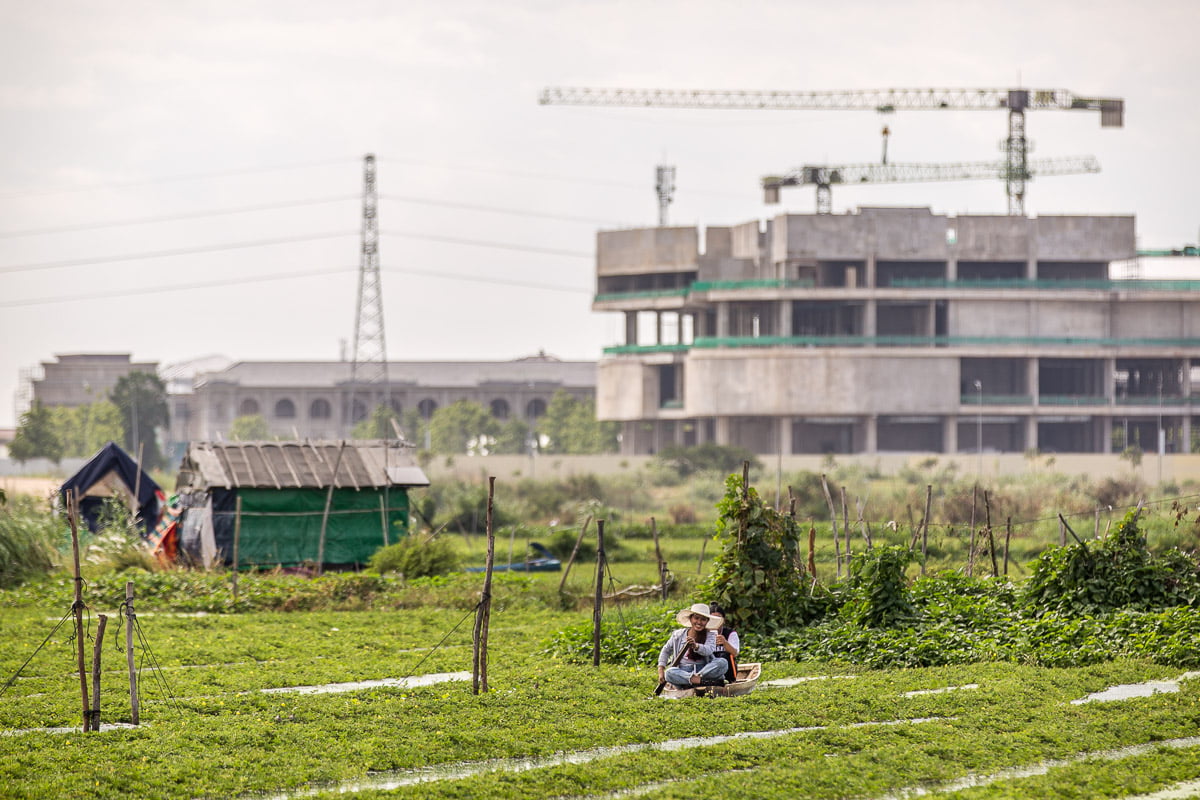
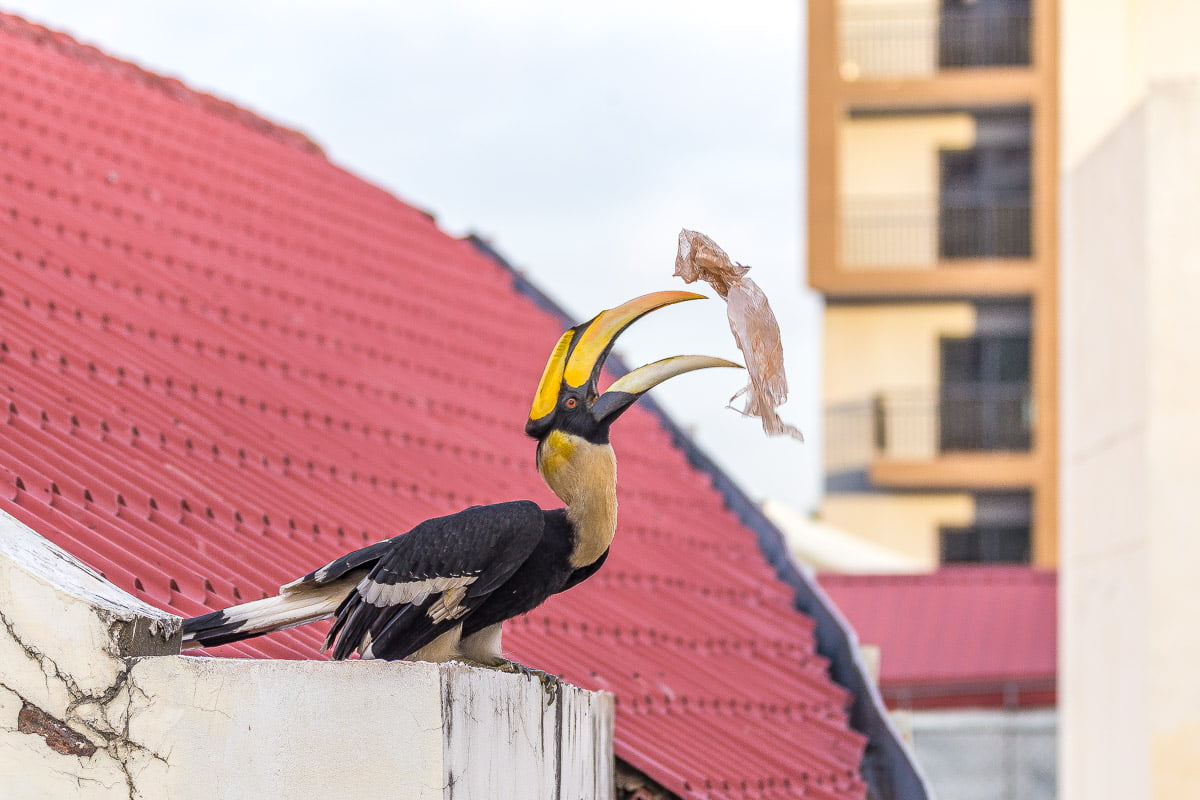
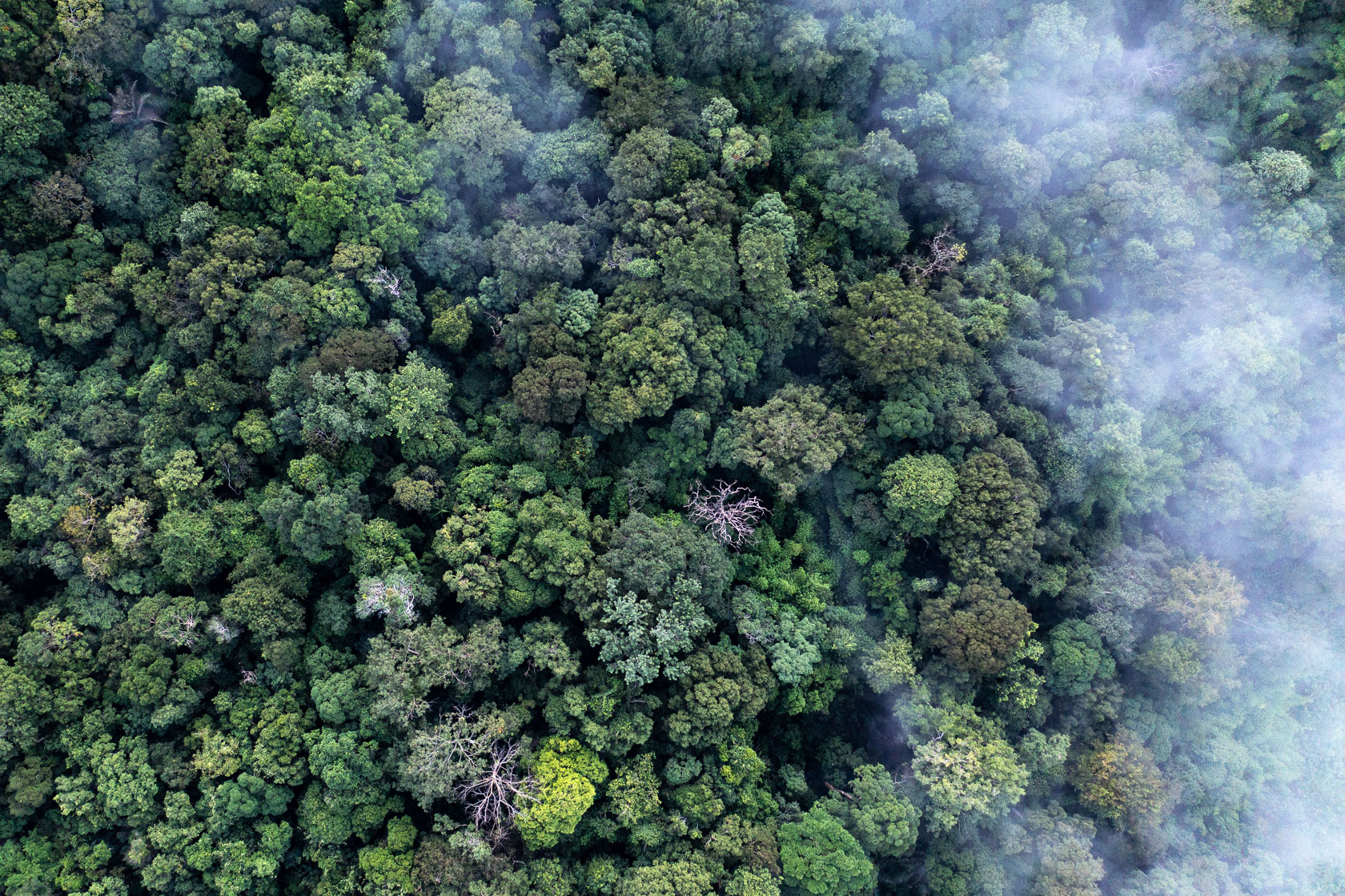
Cambodia is home to some of the richest ecosystems on the planet, yet sees some of the fastest rate of deforestation. Vast chunks of forests and wetlands are turned into commercial plantations and real estate developments, while poaching and logging degrade forests and empty them of wildlife. The situation is aggravated by socioeconomic conditions found in rural areas and land rights issues.
Do you need to showcase a social or environmental project? Get in touch.
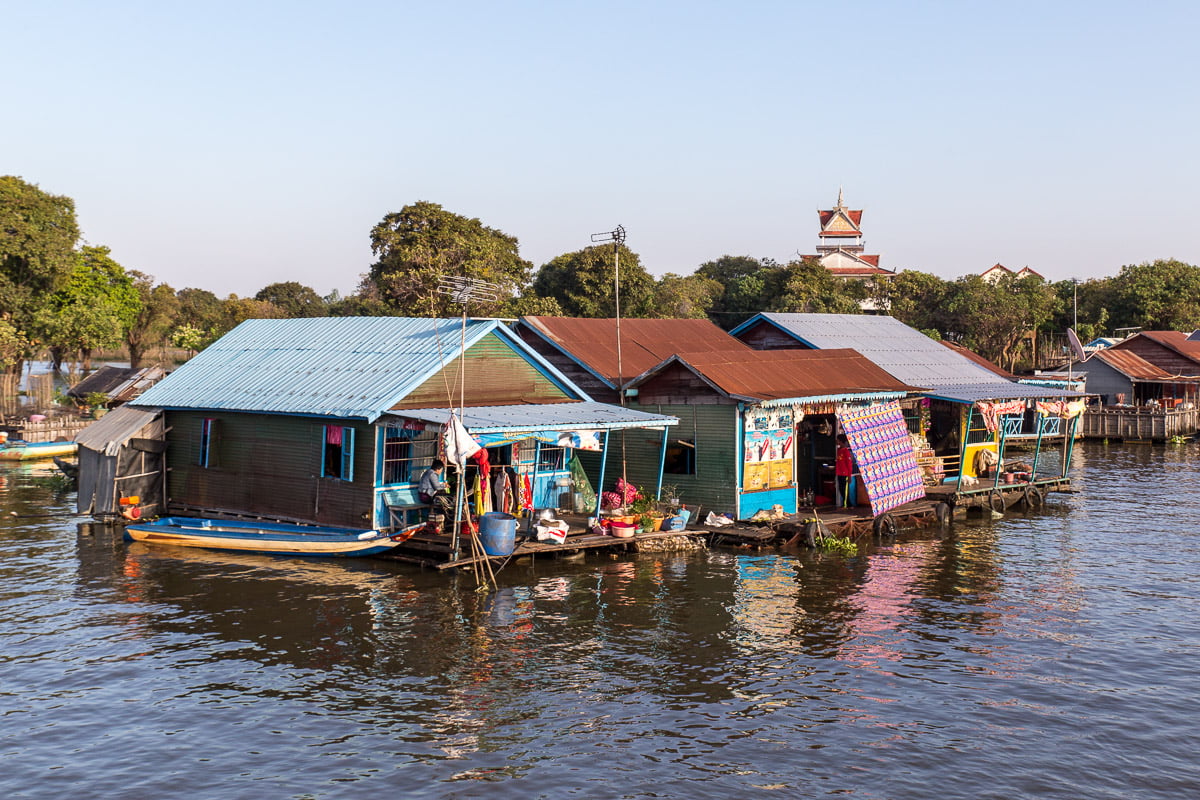
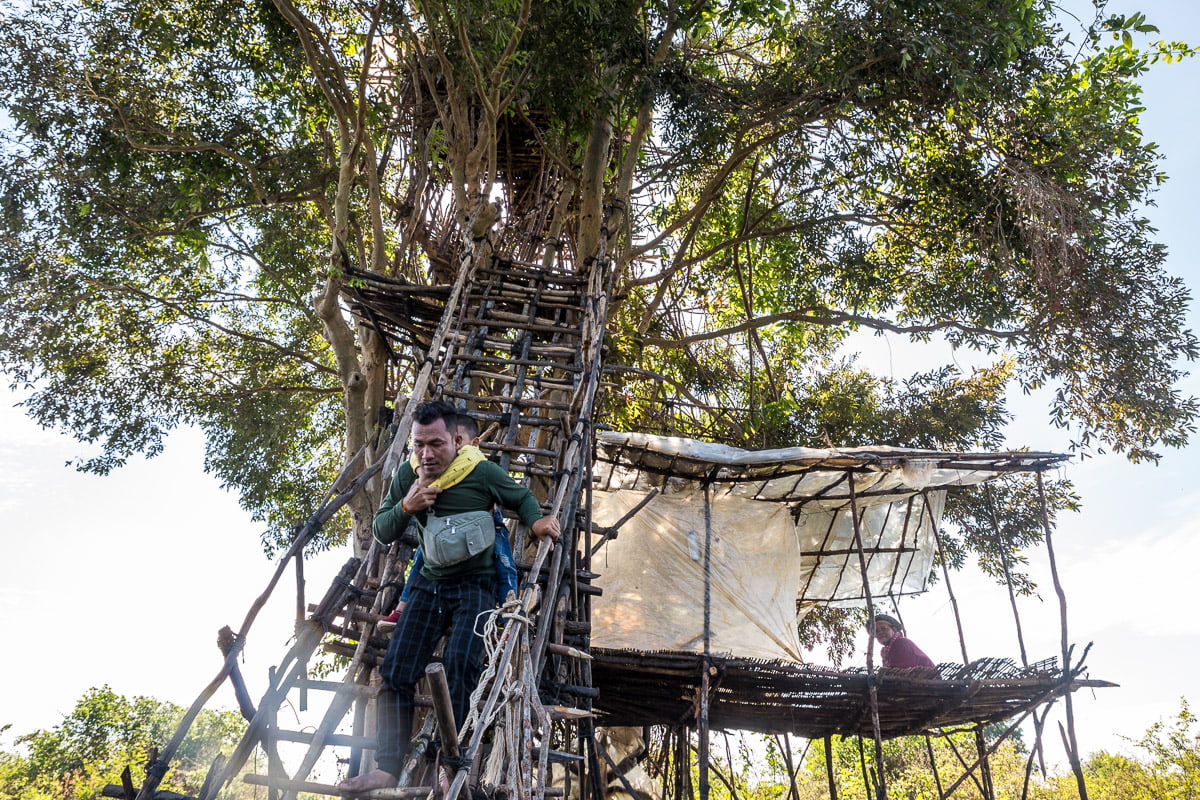
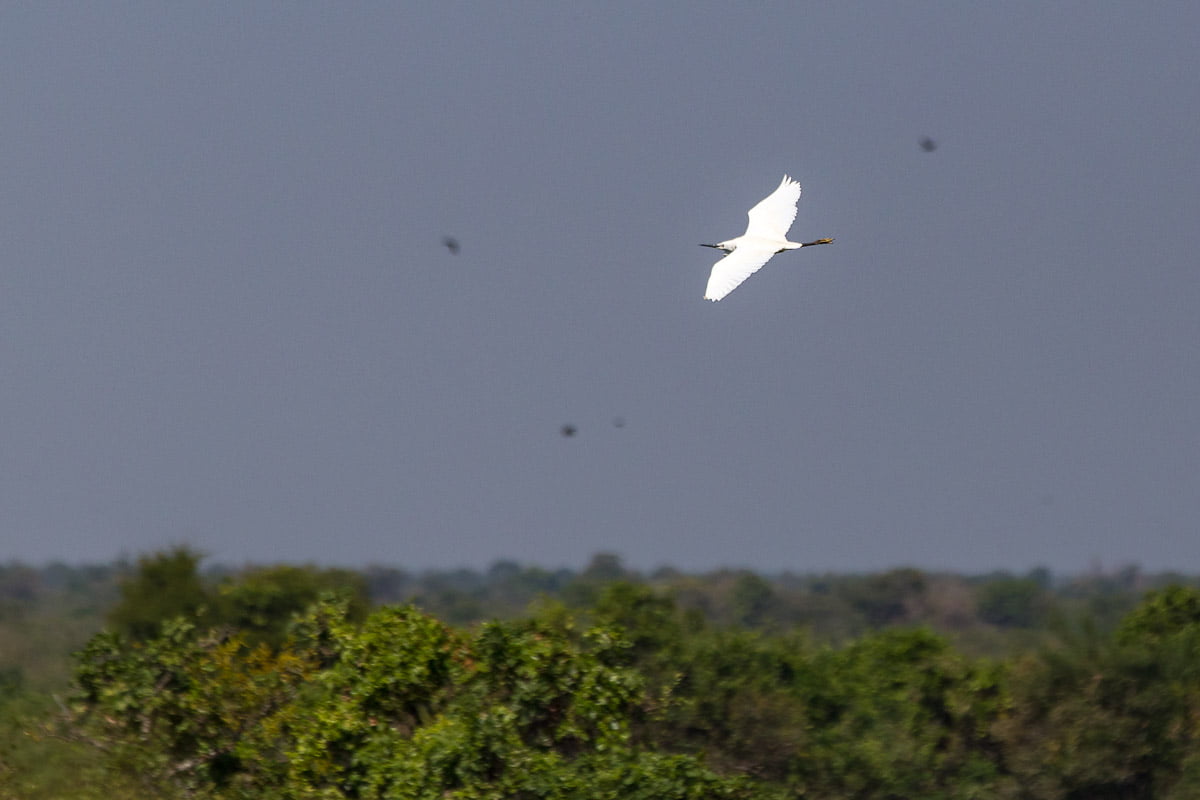
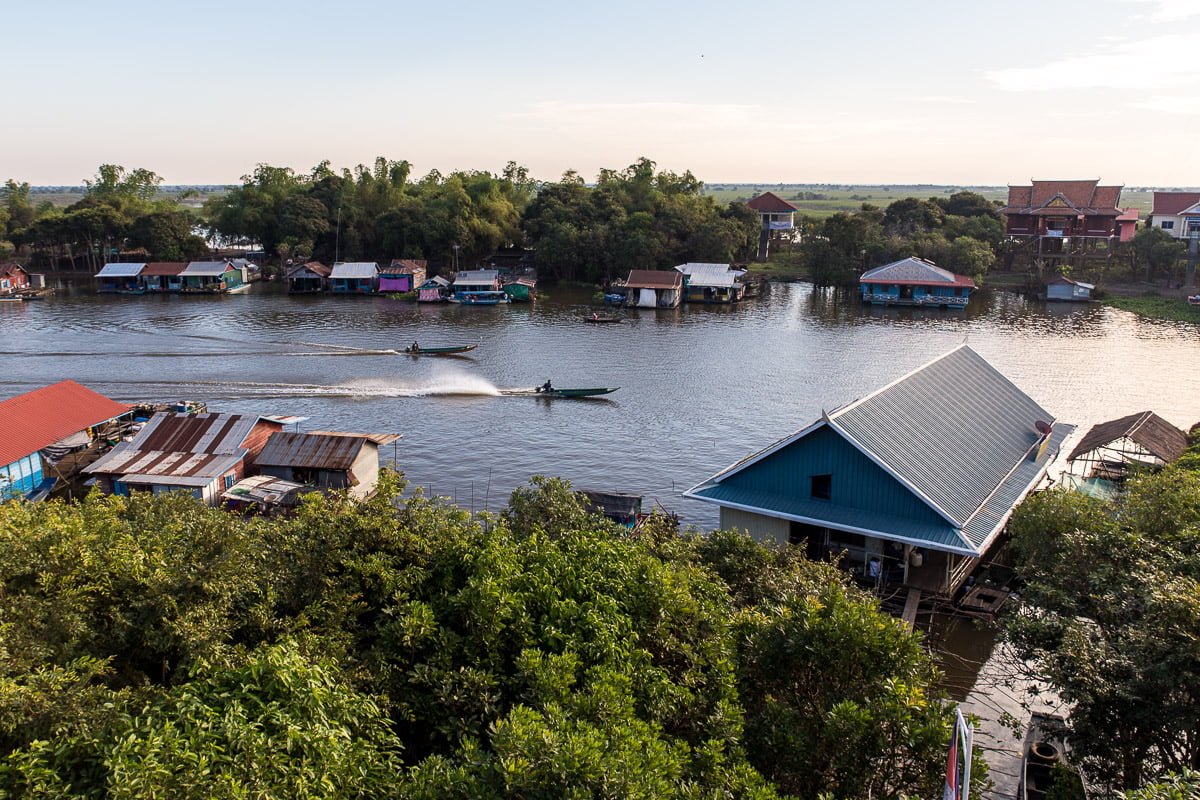
Prek Toal Bird Sanctuary
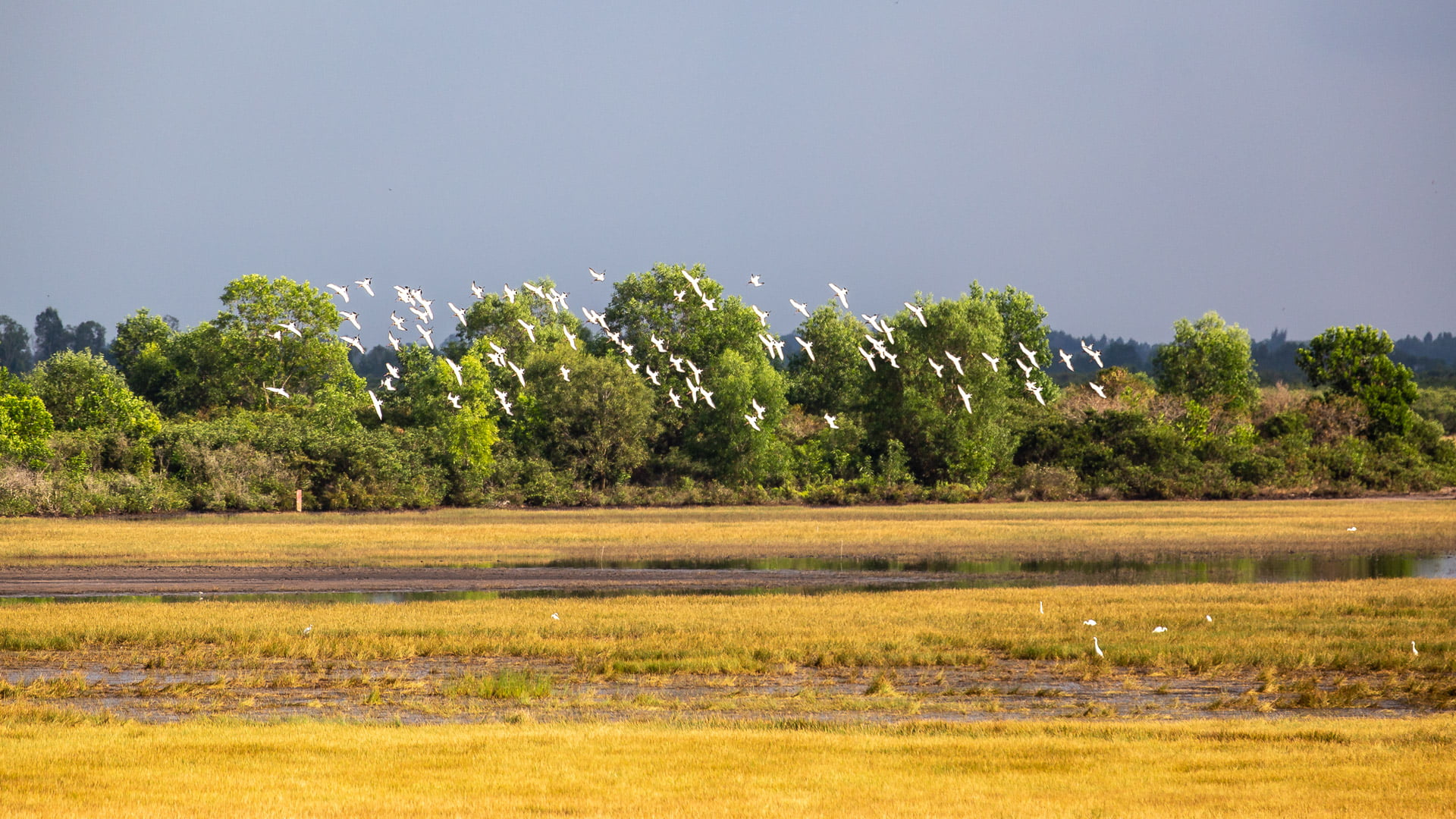
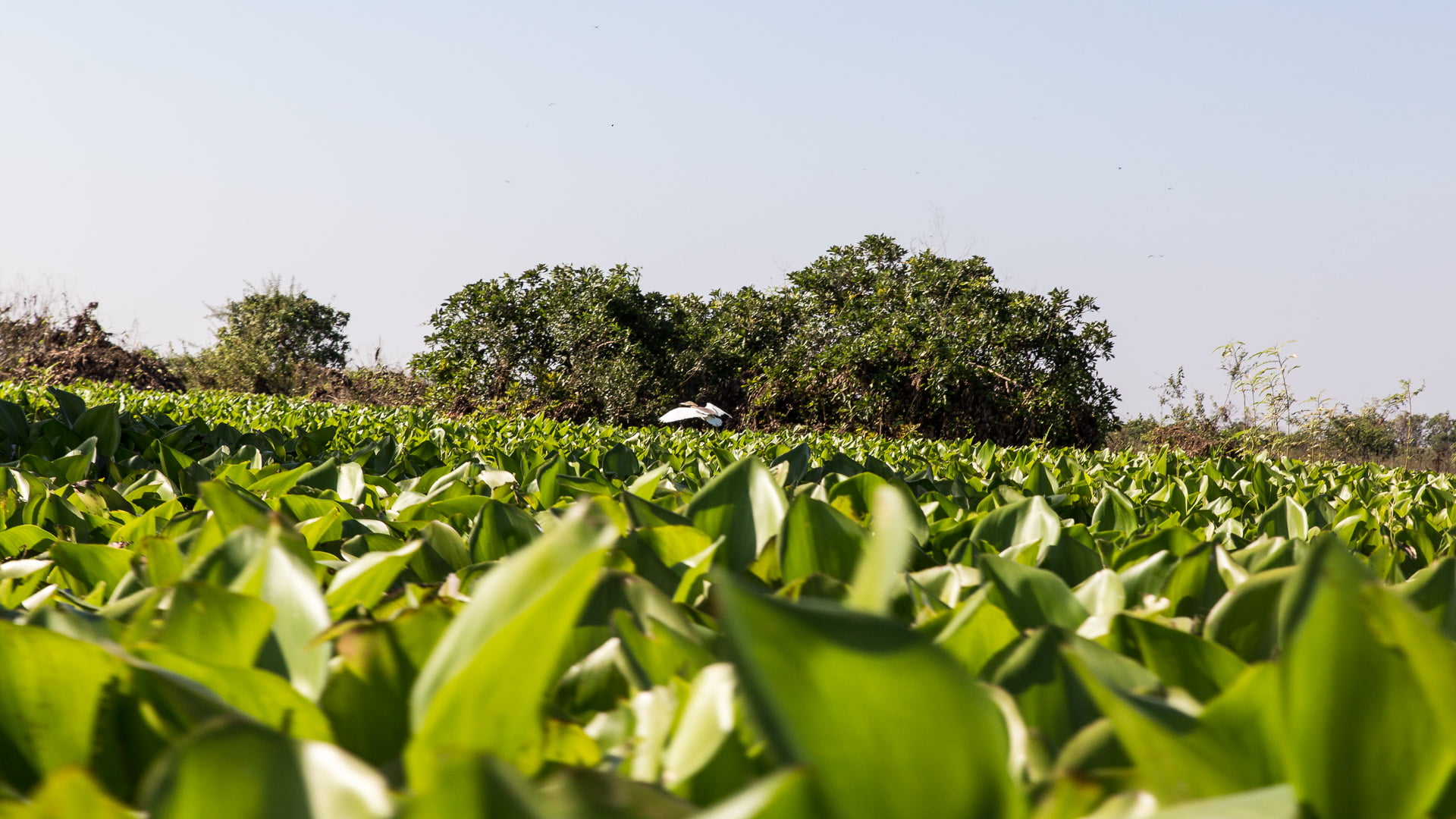
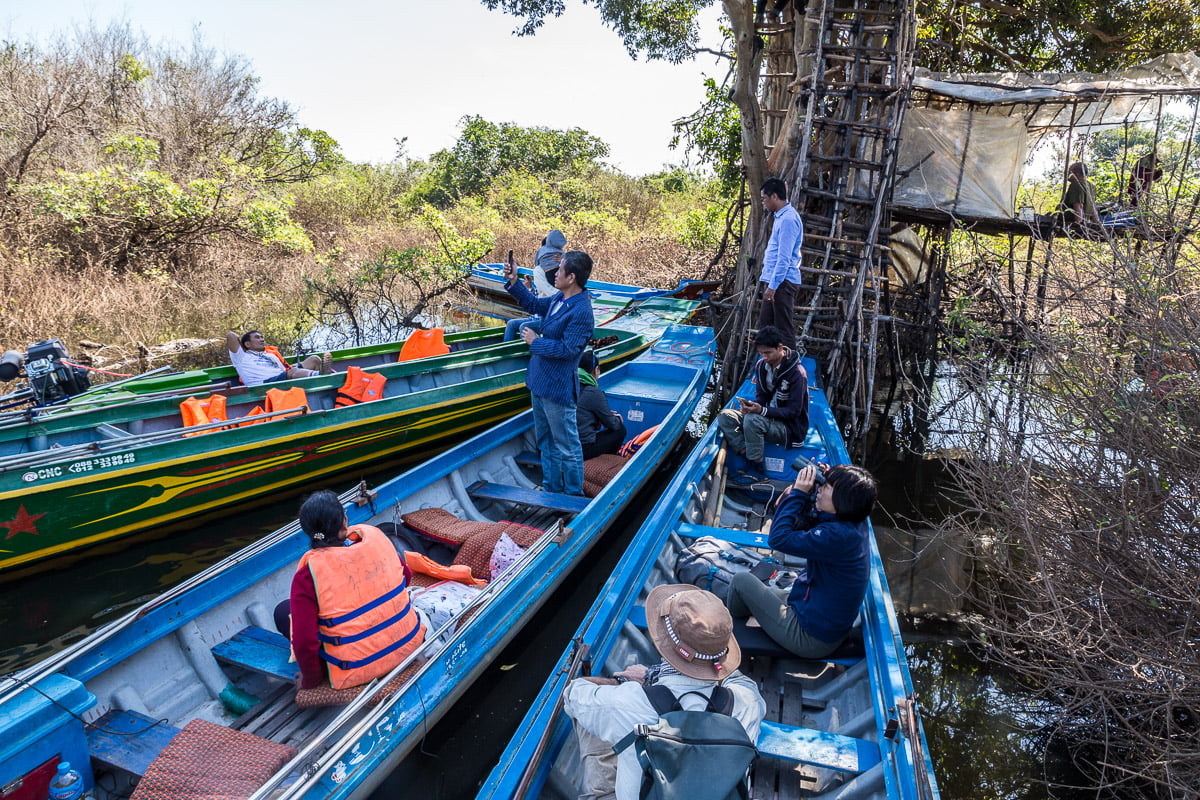
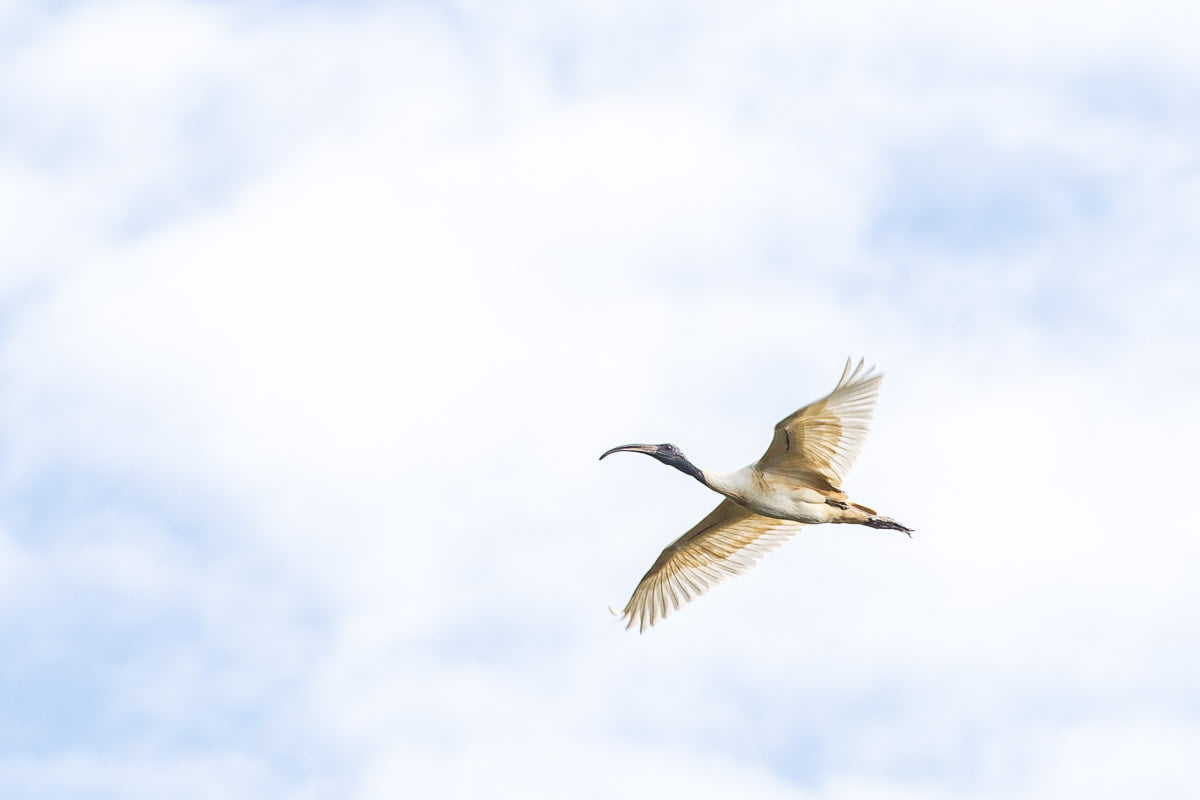
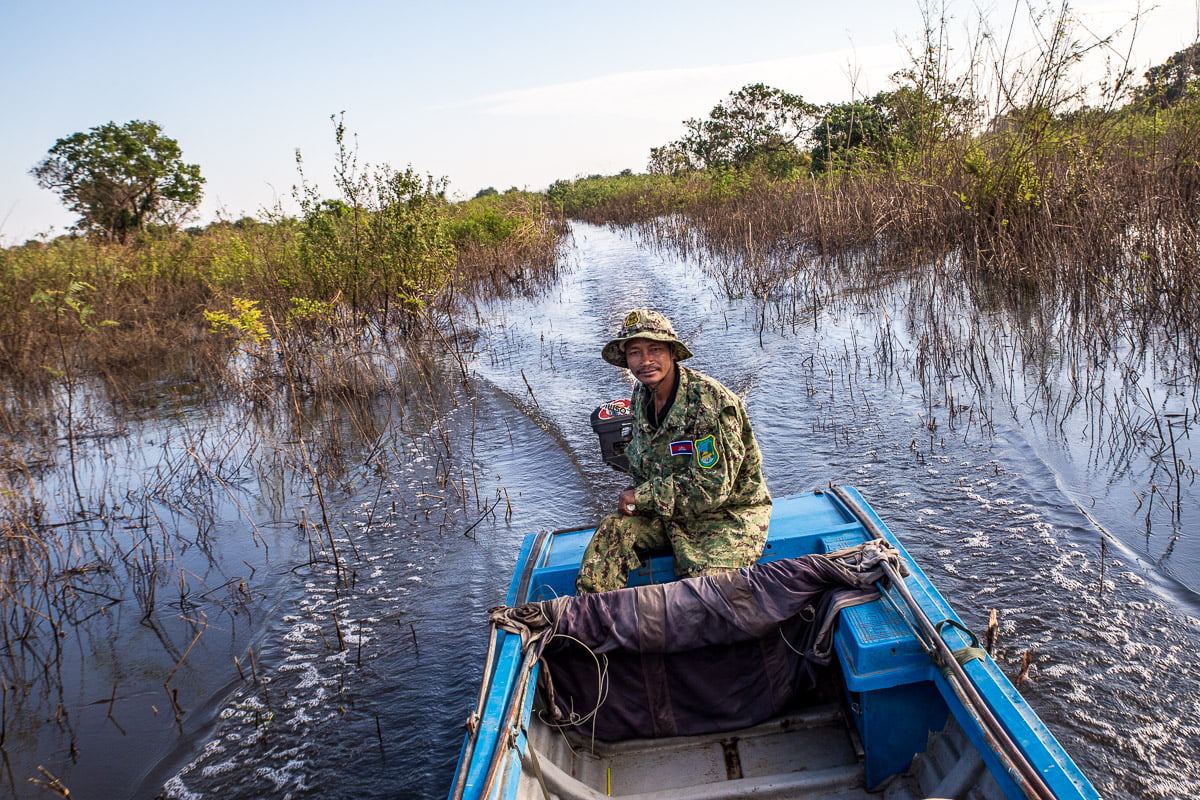
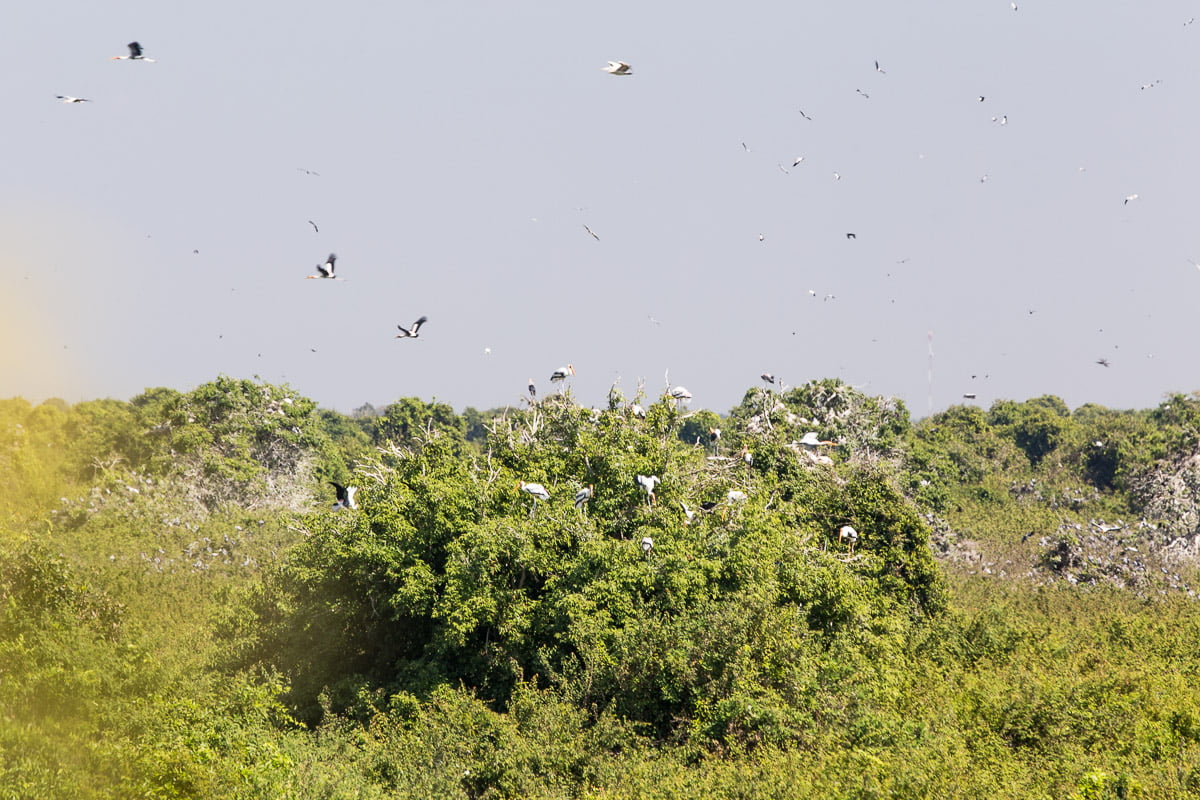
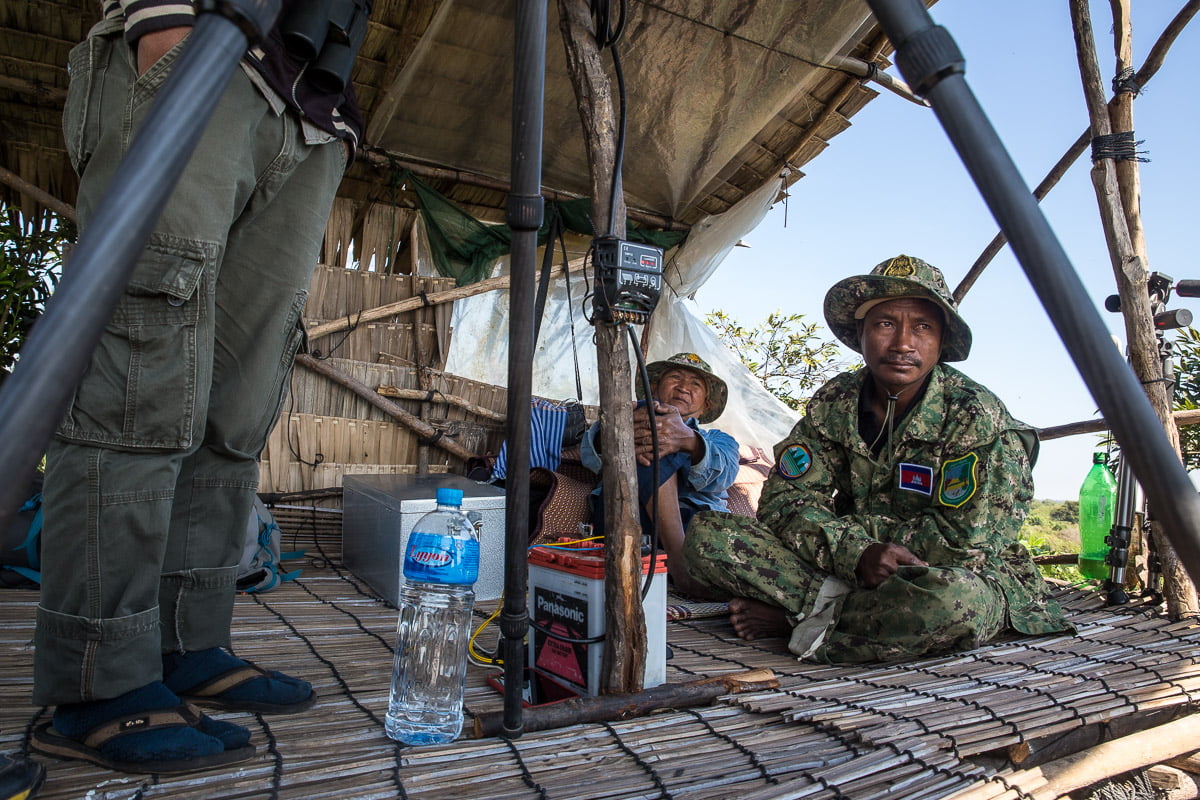
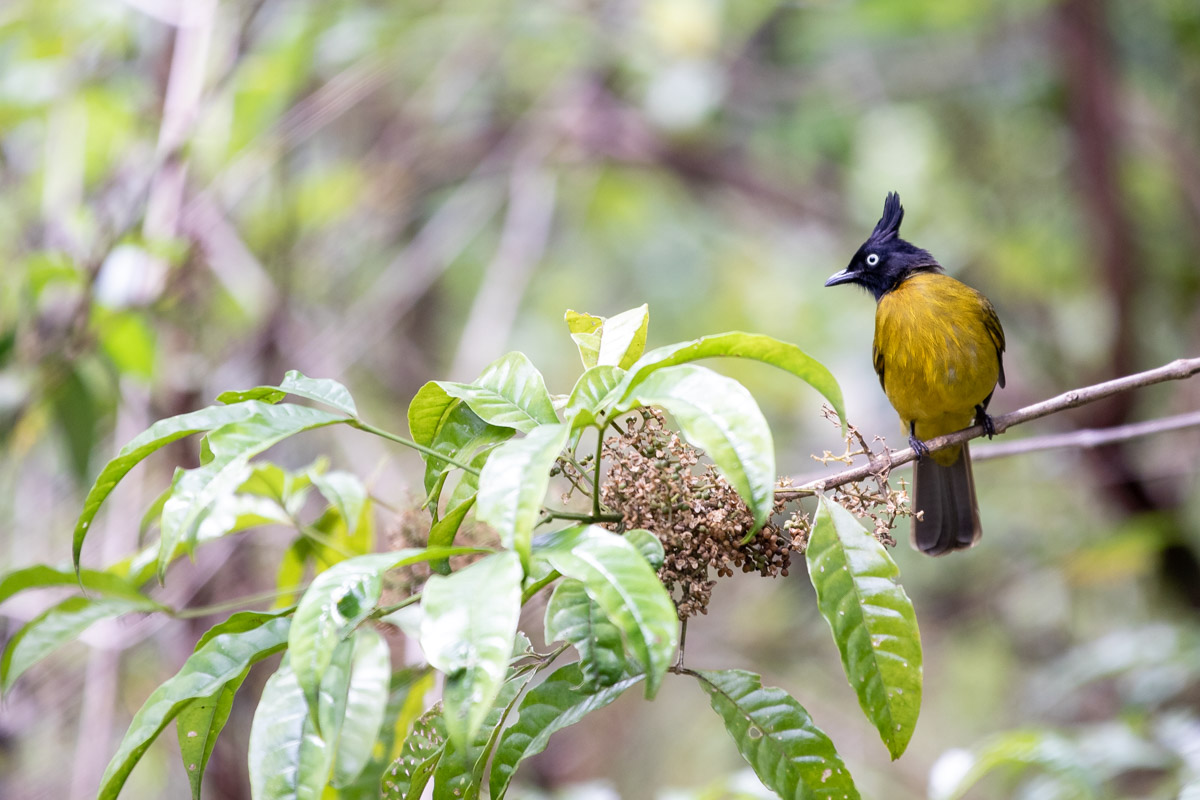
Prek Toal is a world-class bird sanctuary and Ramsar site located within the Tonle Sap biosphere reserve. Efforts from conservation groups, the ministry of environment and local rangers have led to a steady increase in the number of birds coming to roost in the sanctuary.
Featured in Wayne McCallum’s Mekong Solitaire (Howl press, 2021).
Phnom Kulen National Park
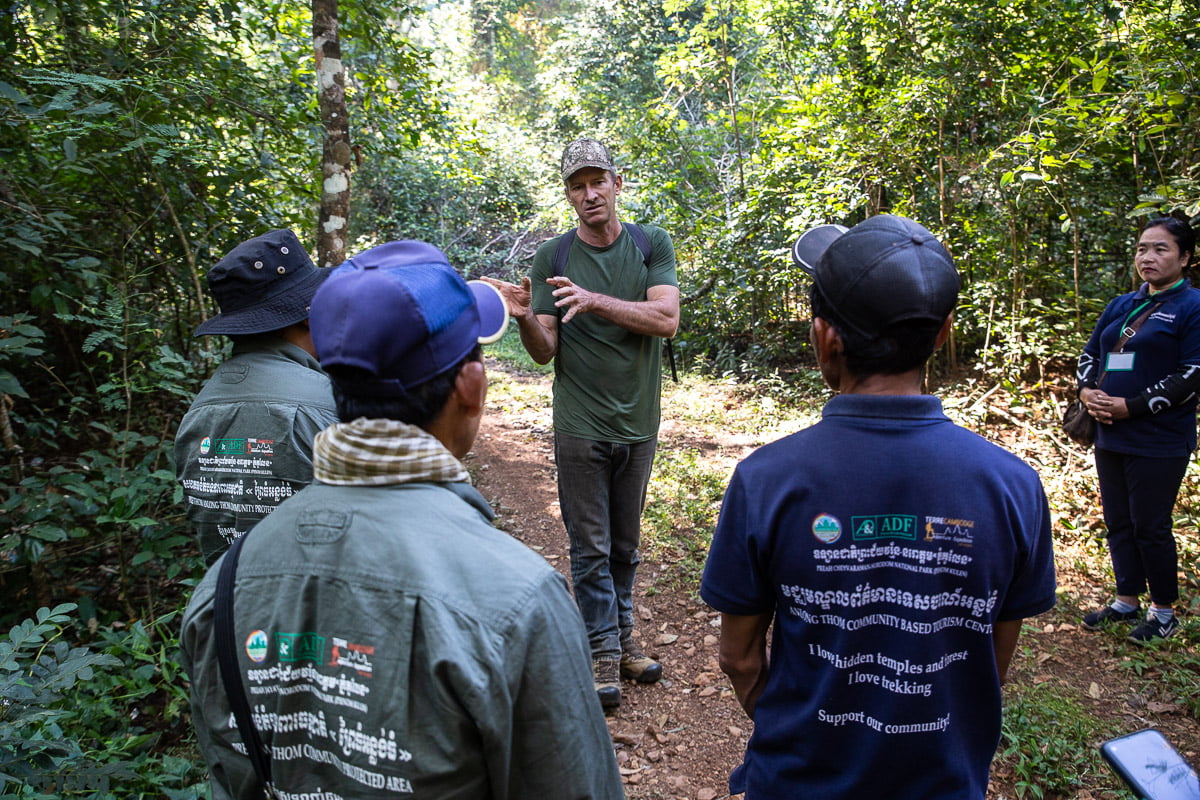
Located to the northeast of the Angkor temples, the Phnom Kulen range was revealed in 2015 to be the seat of a large ancient city. In spite of being a National Park, the forest has largely been cleared for cashew plantations, with now only about 20% in good condition located in community protected areas.
I have been following the situation on Kulen since 2017, partly covering the work of ADF Kulen & HUMY.
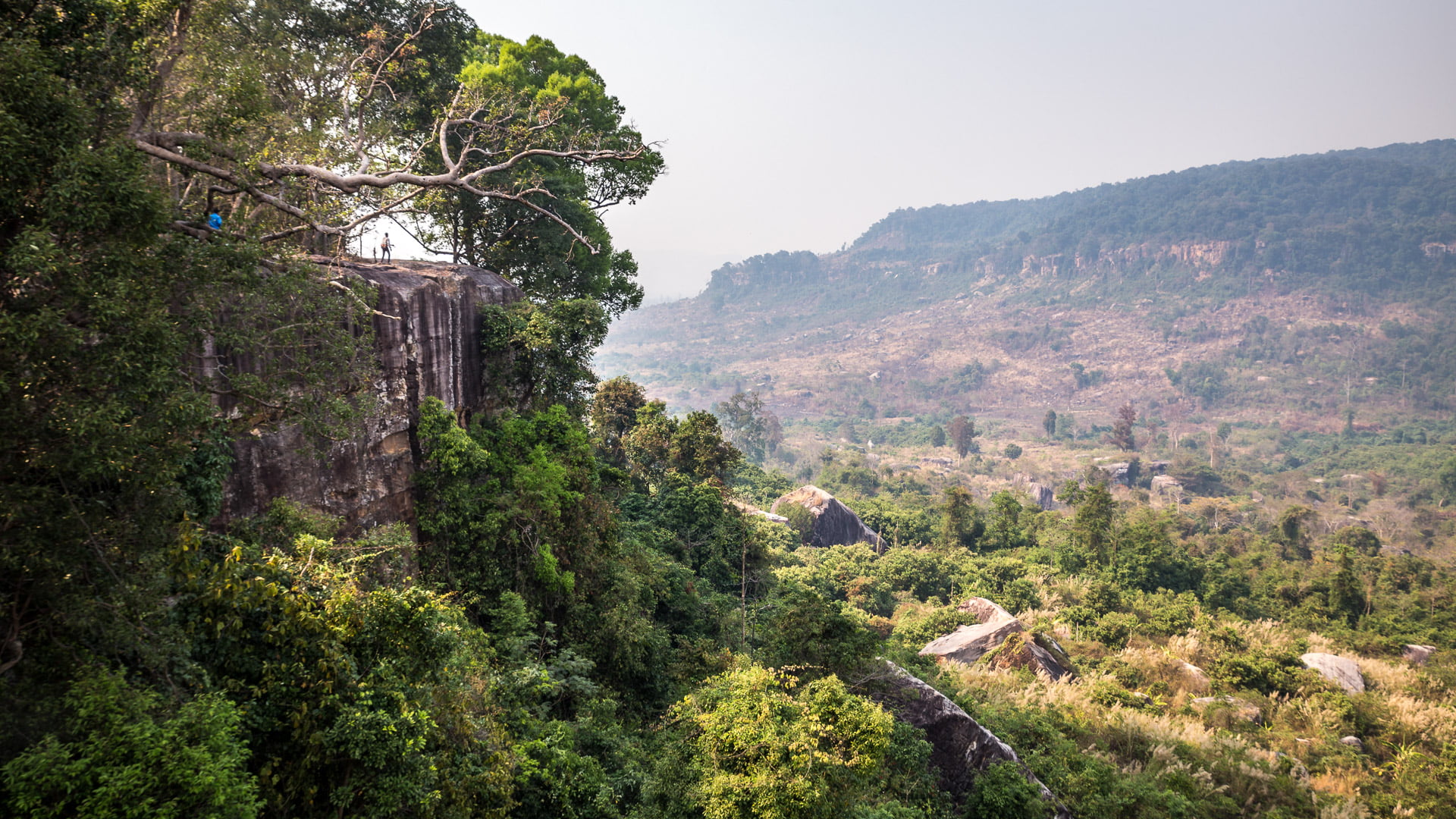
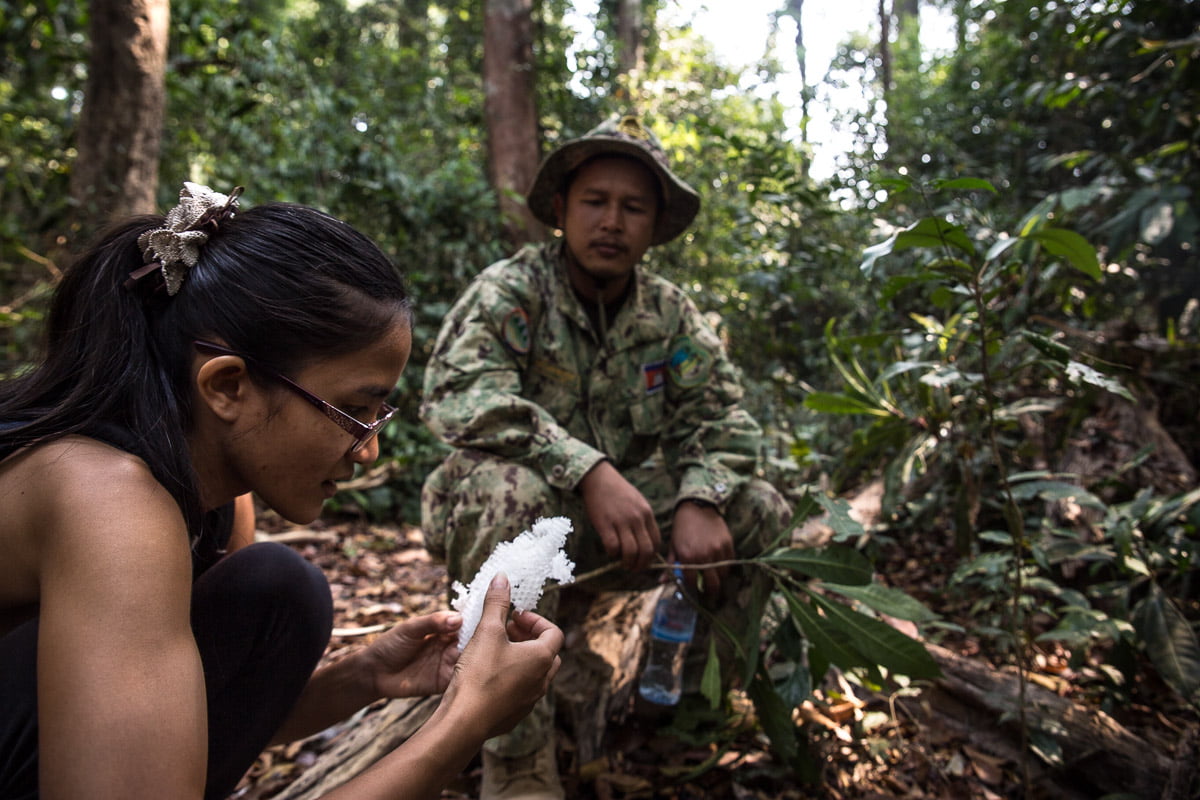
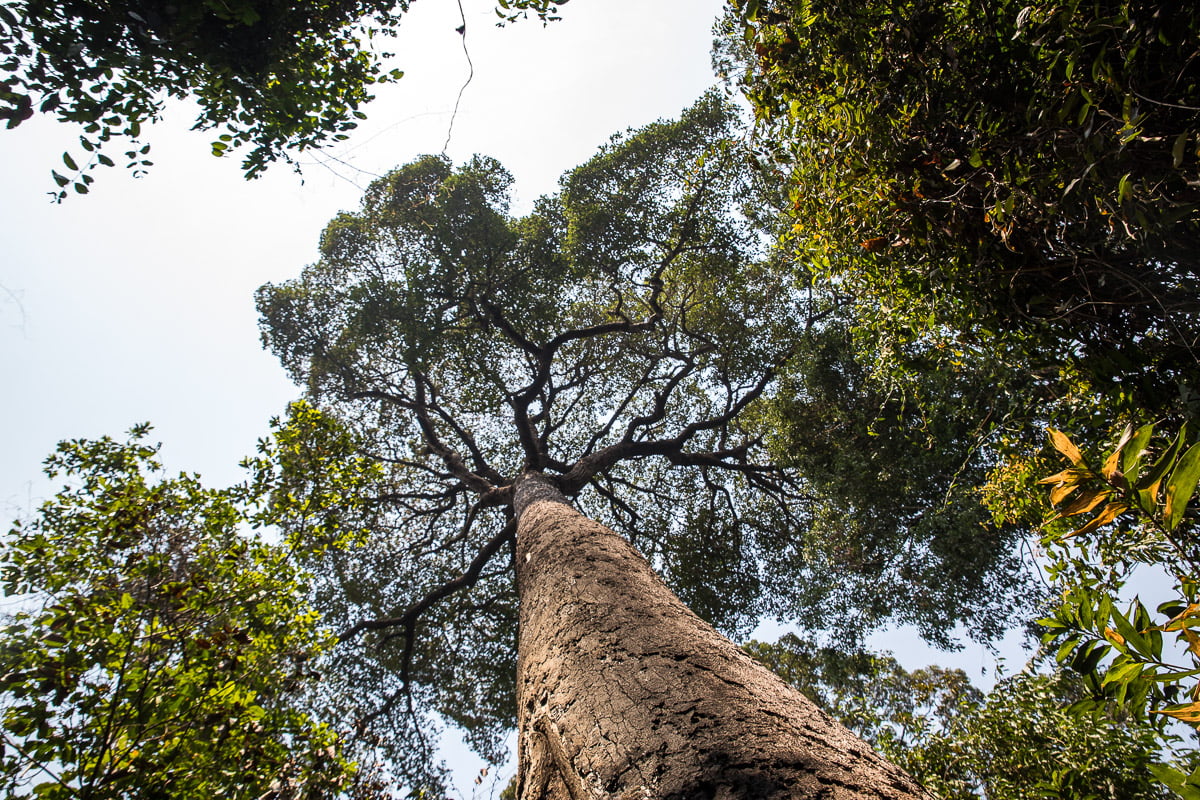
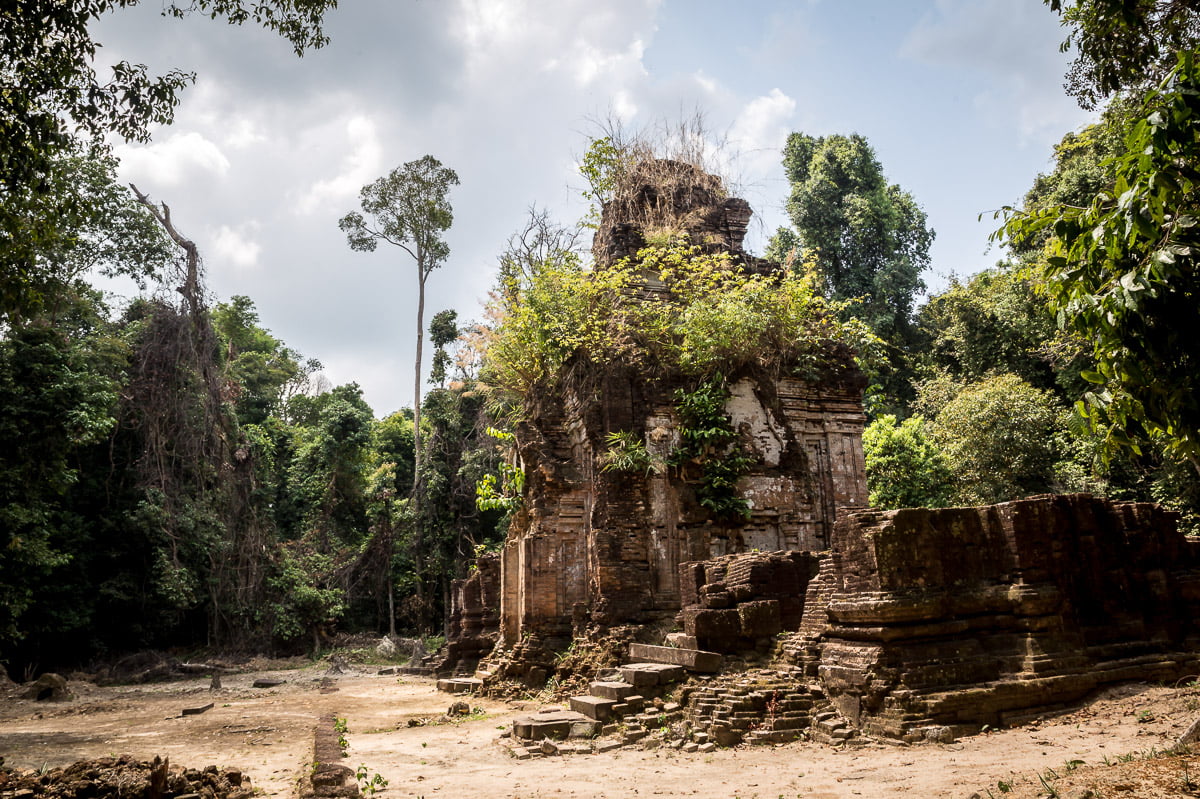
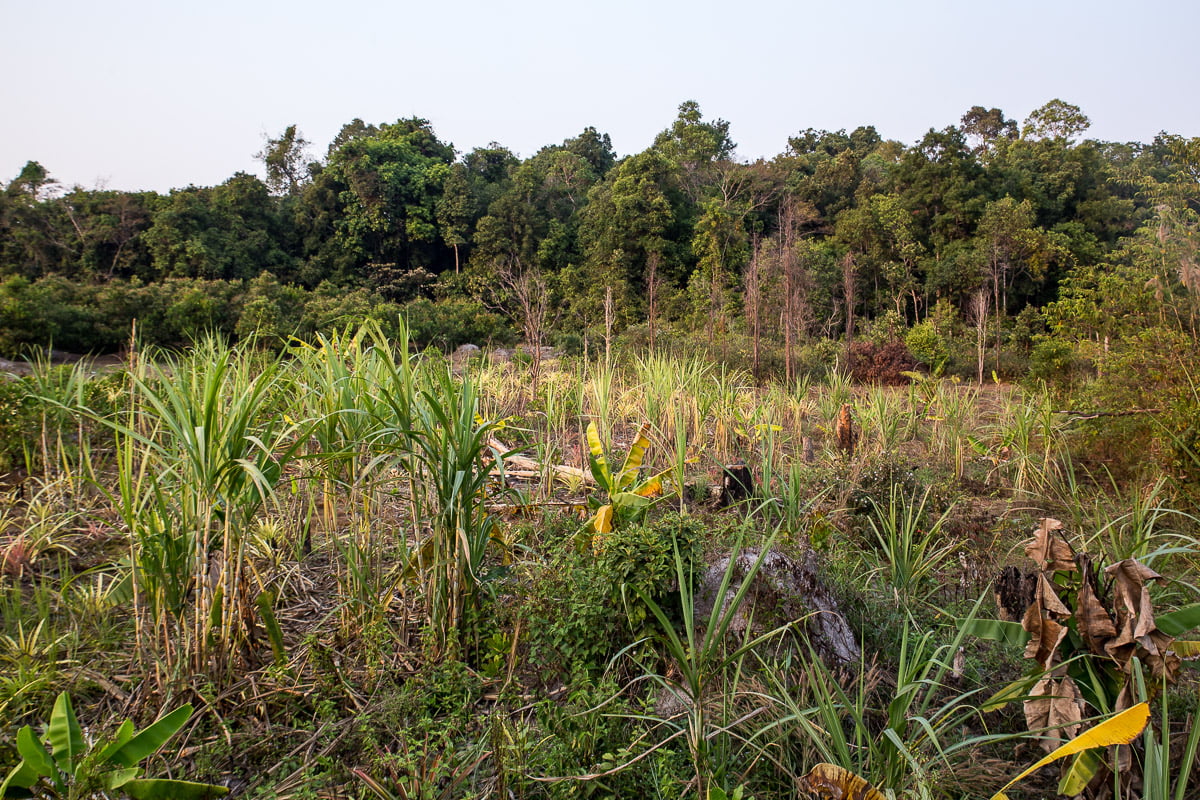
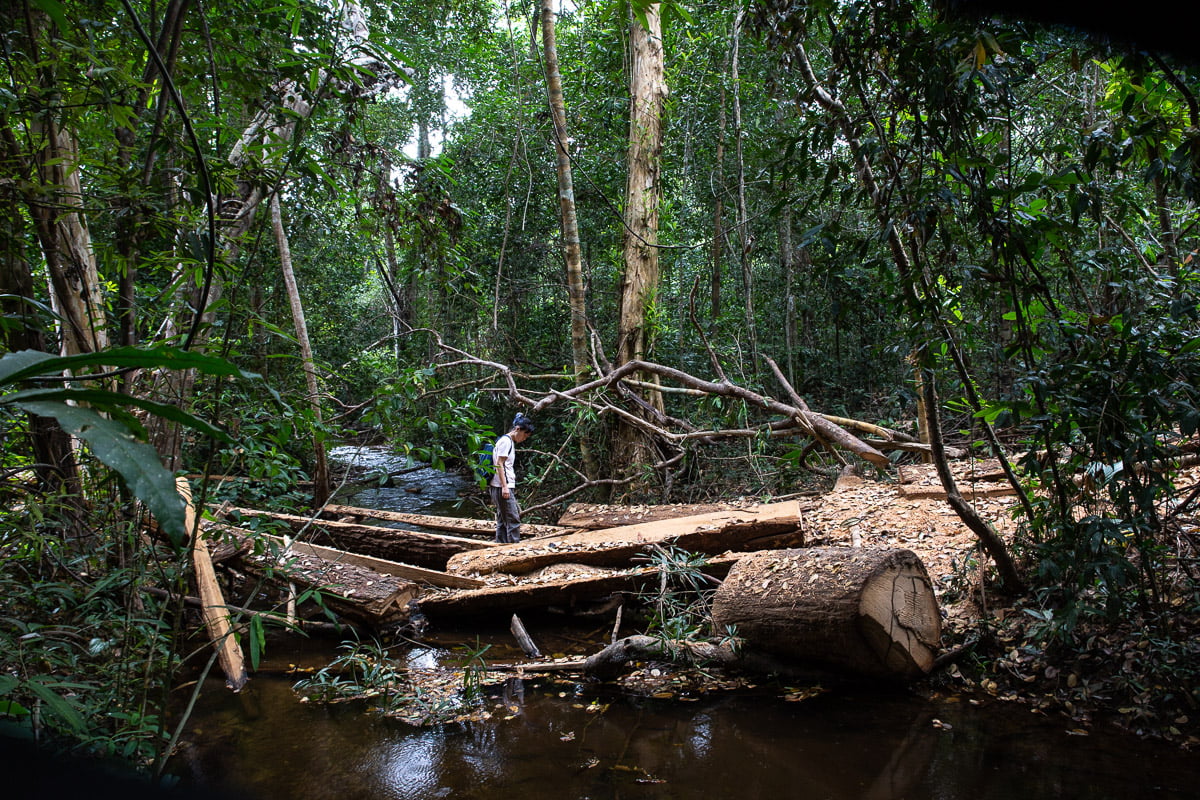
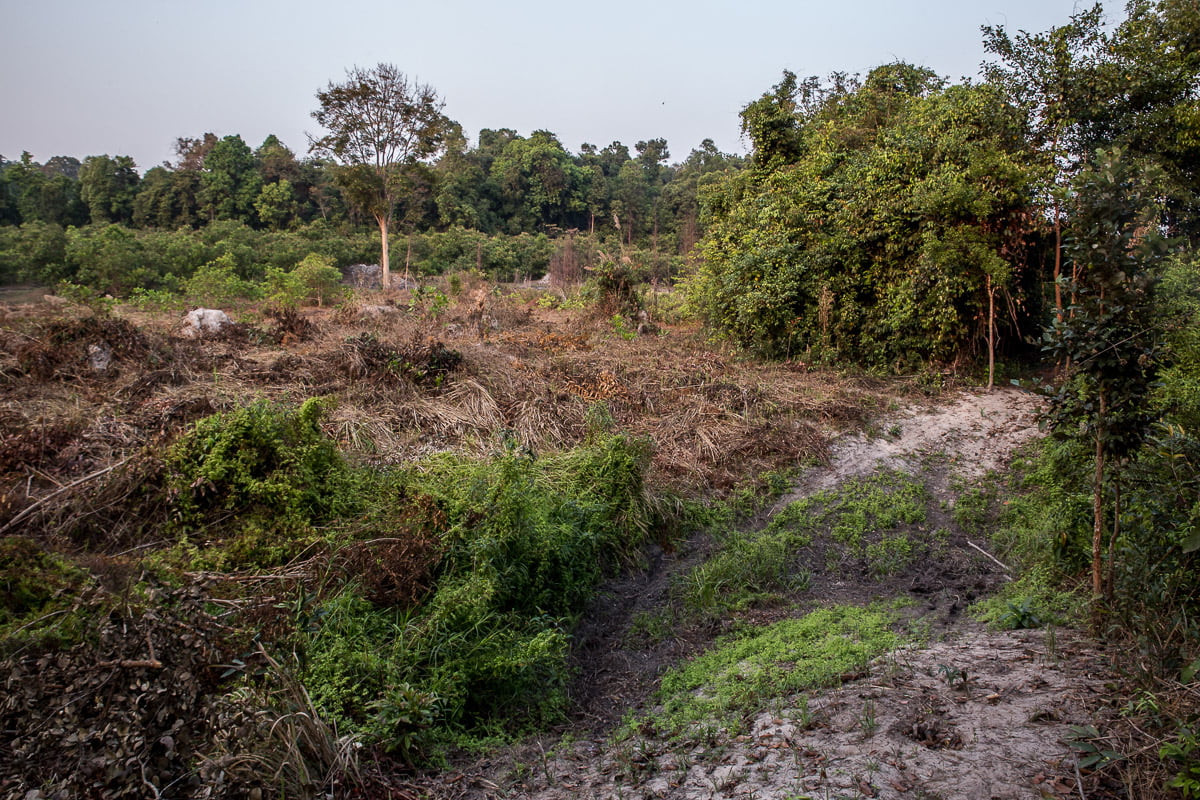
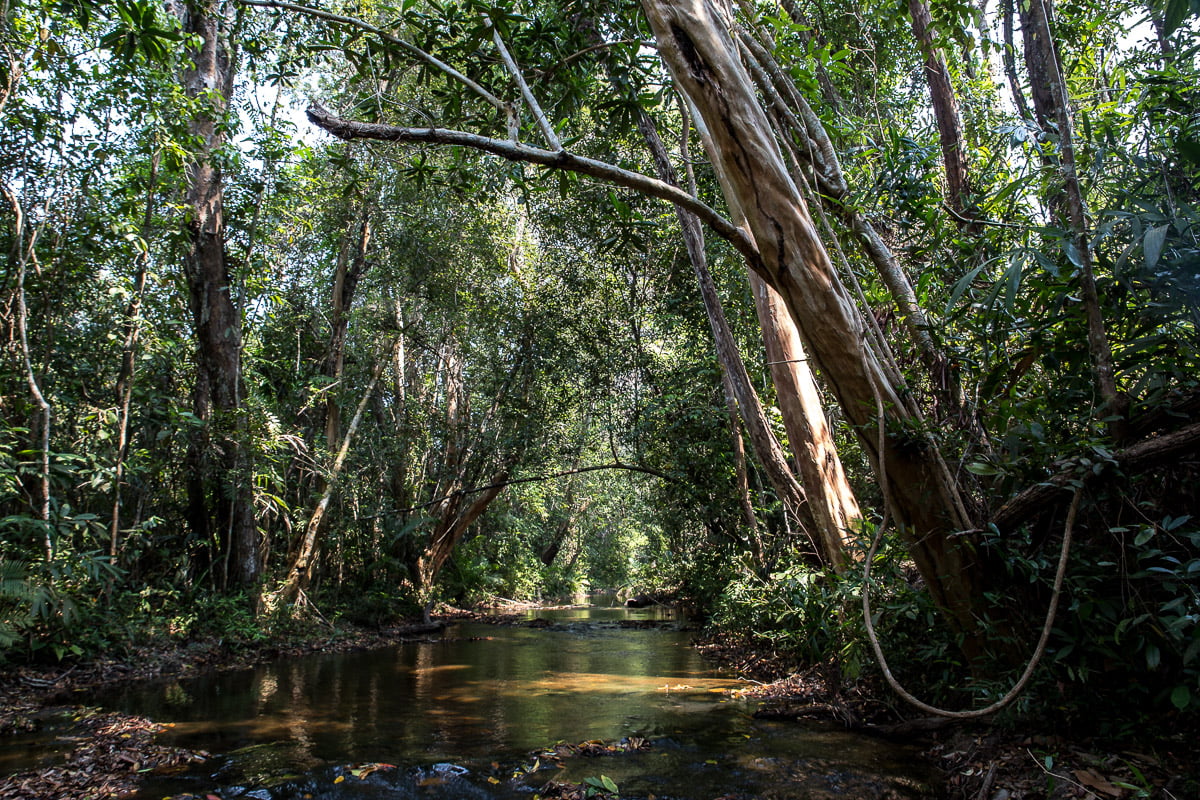
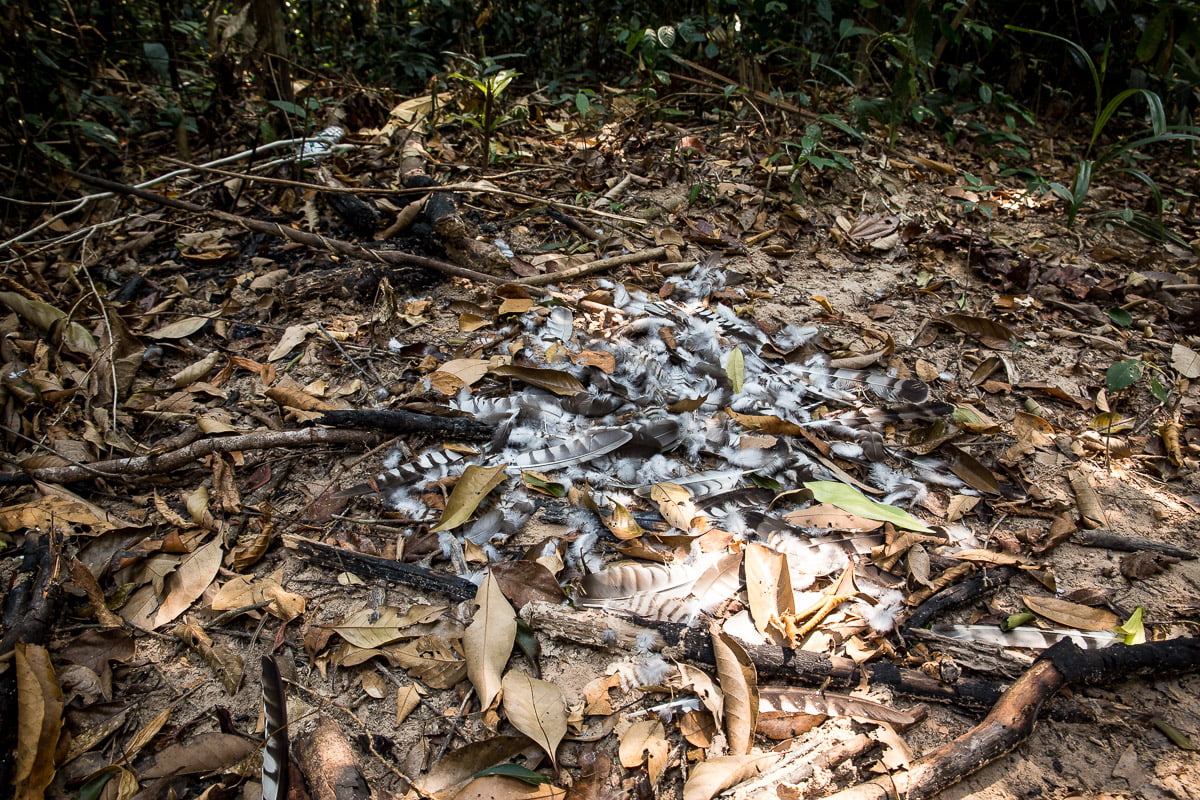
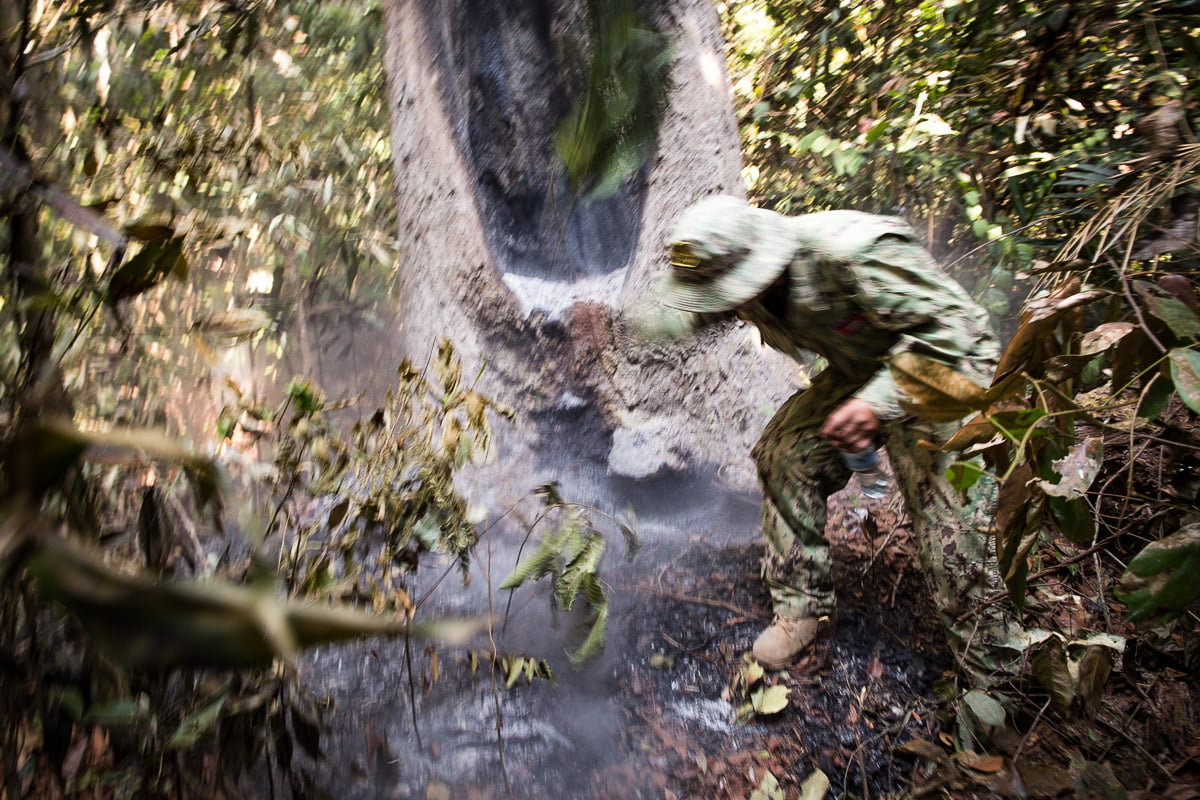
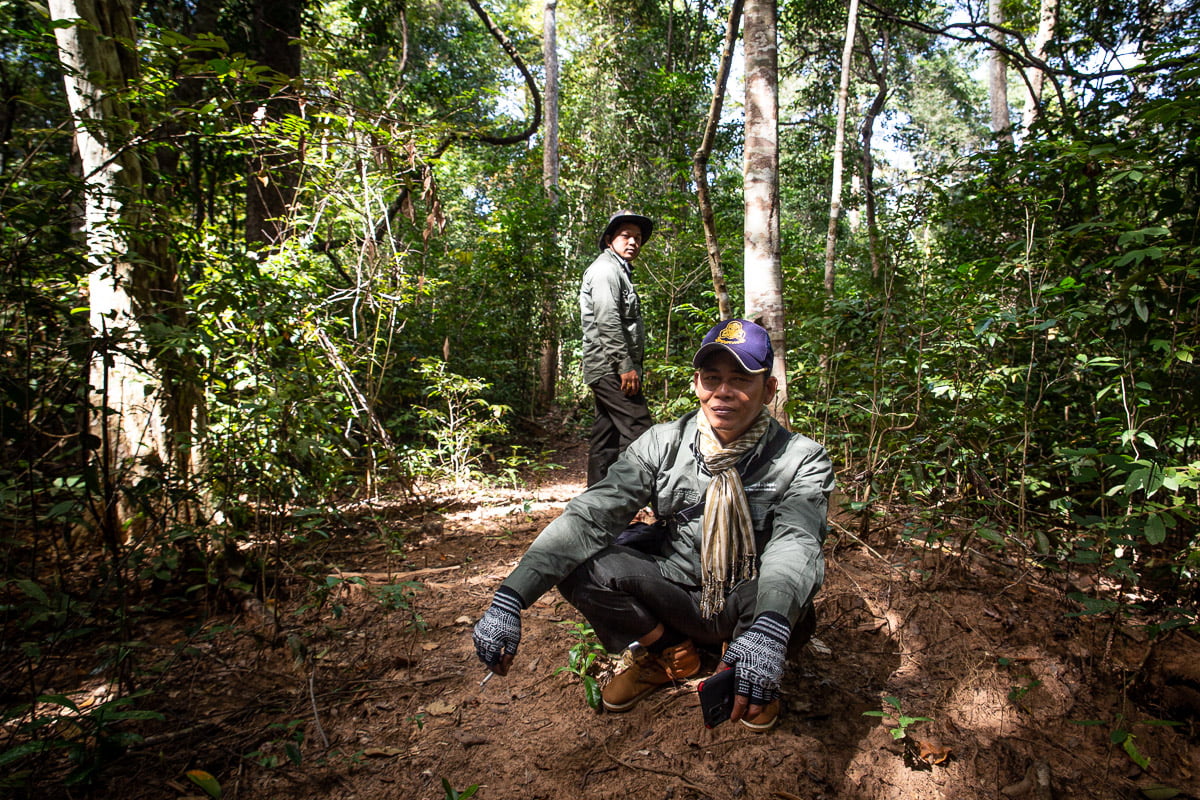
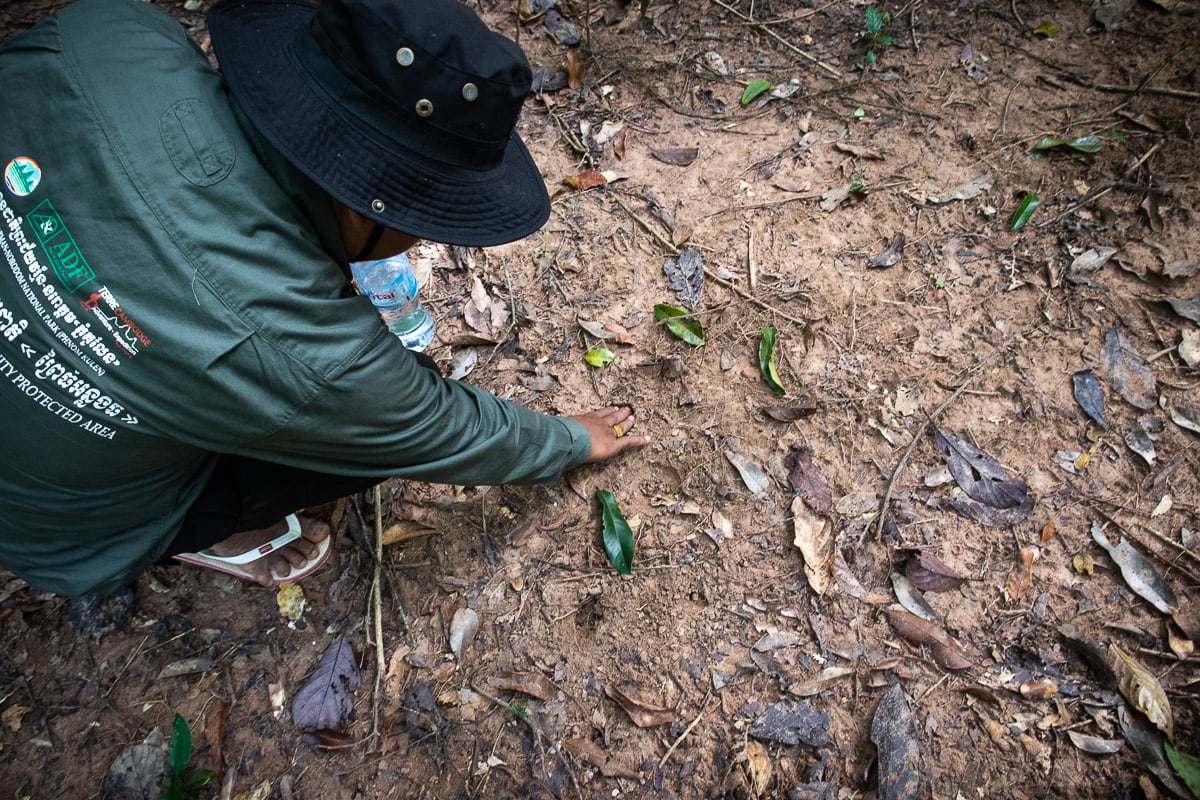
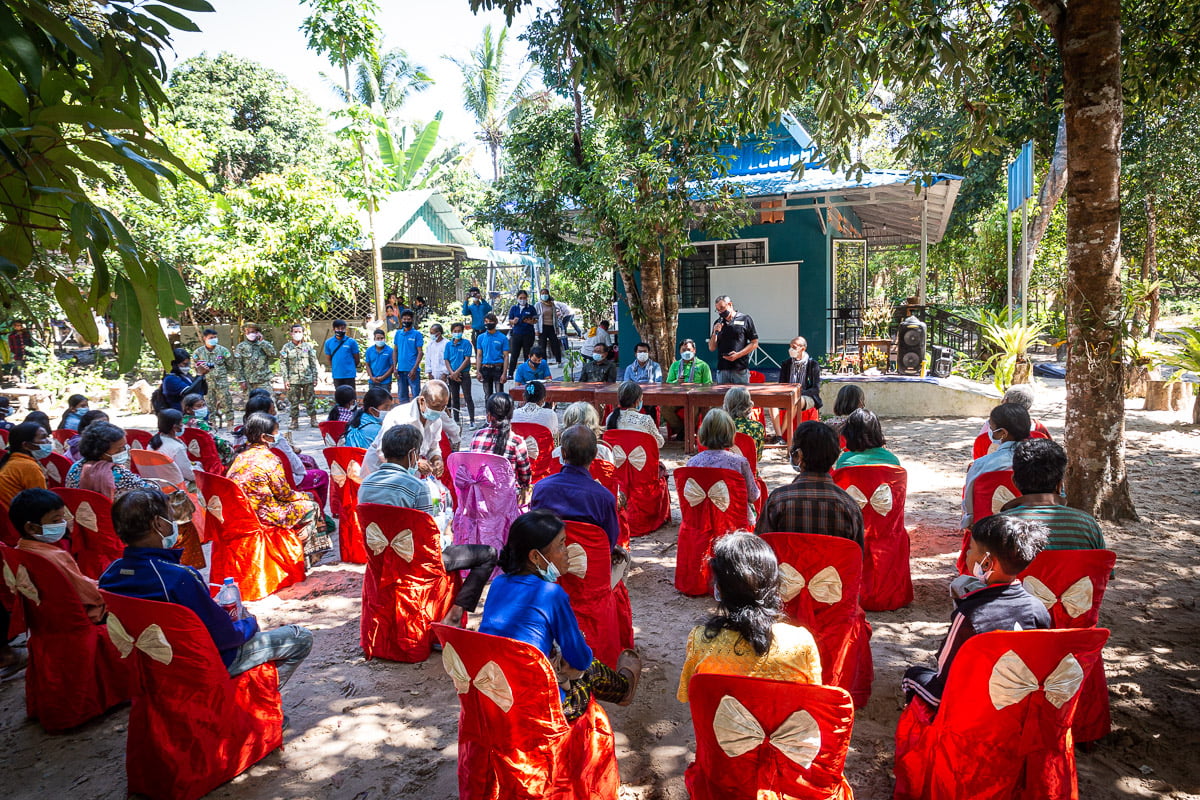
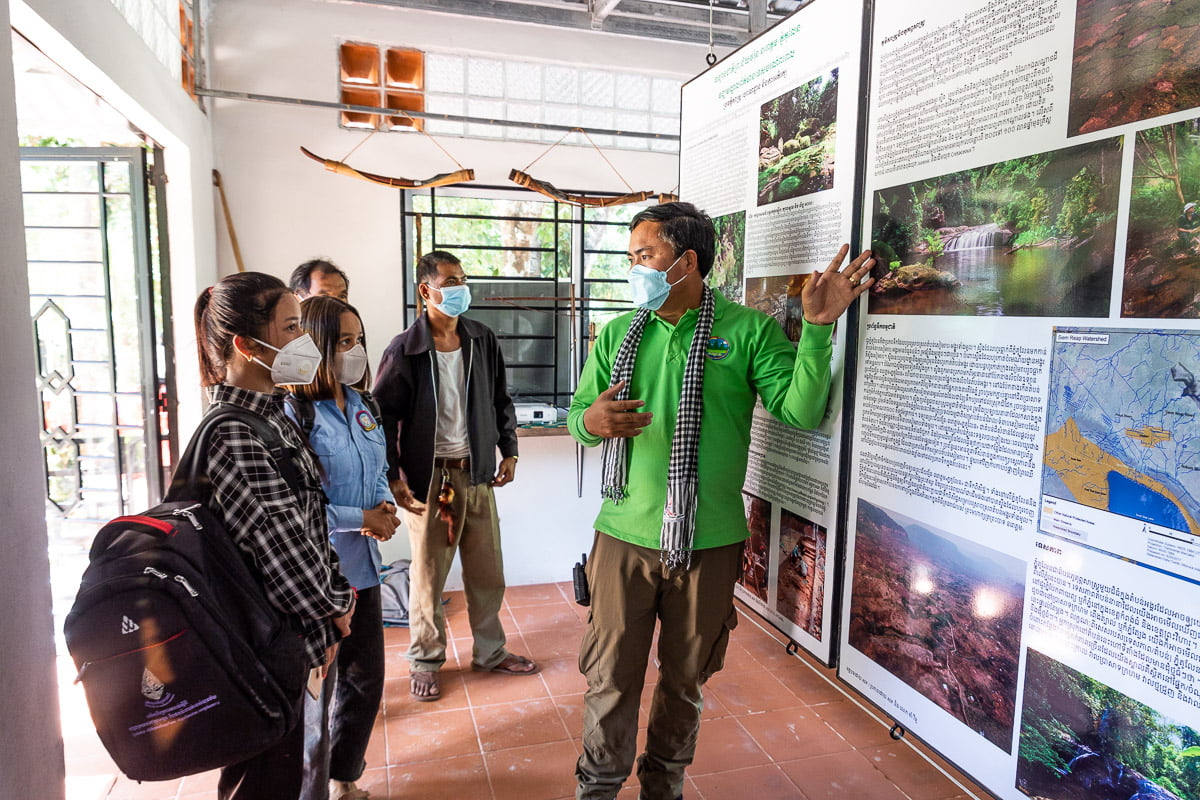
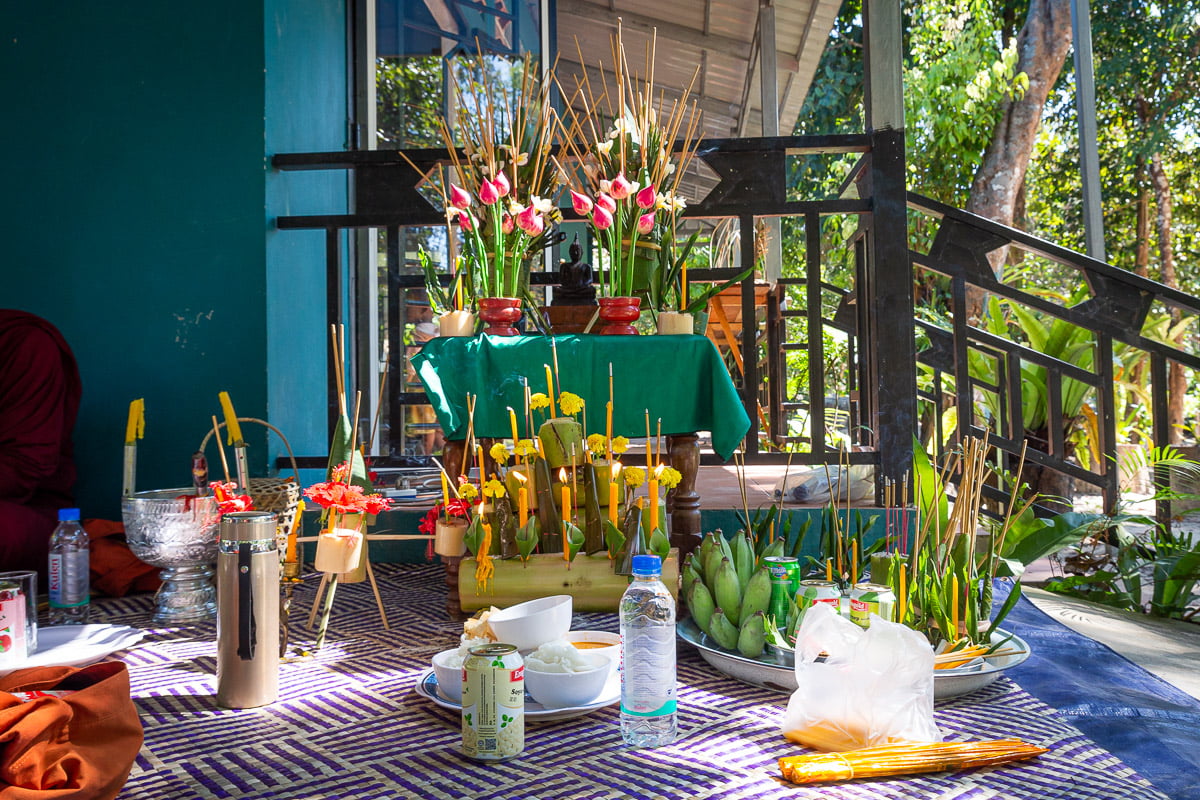
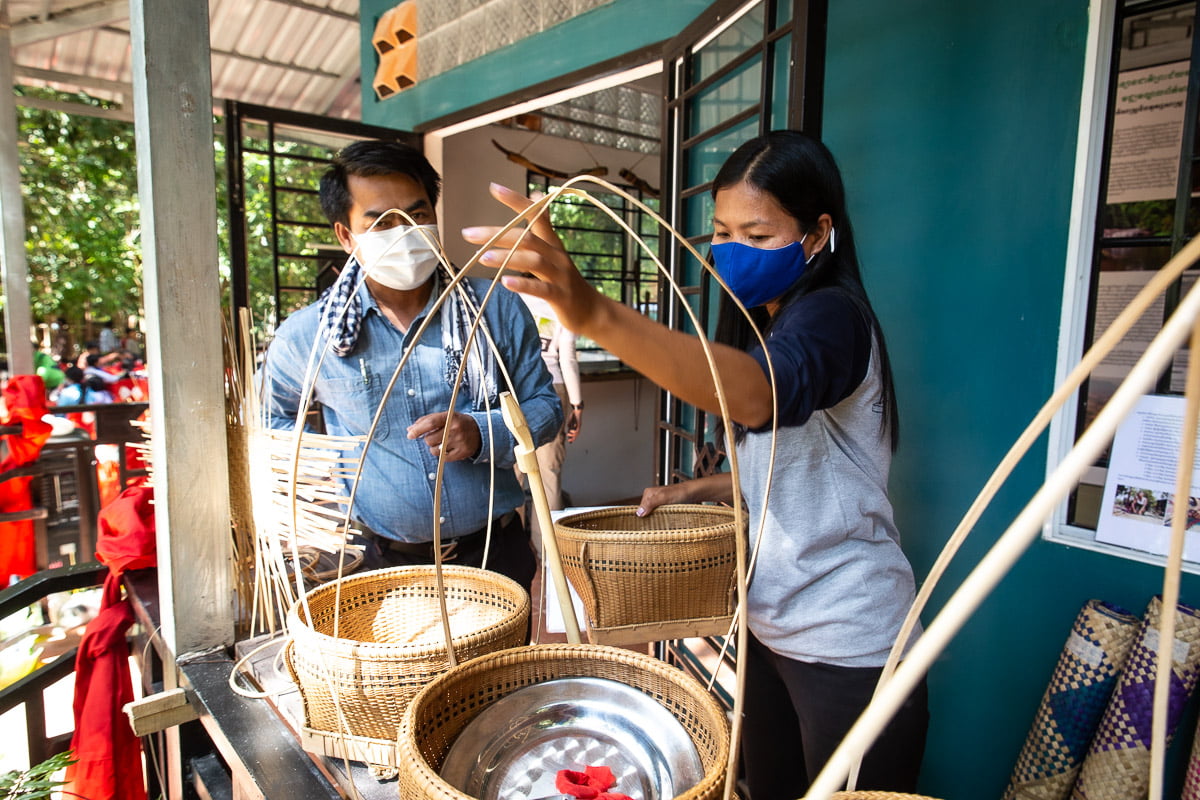
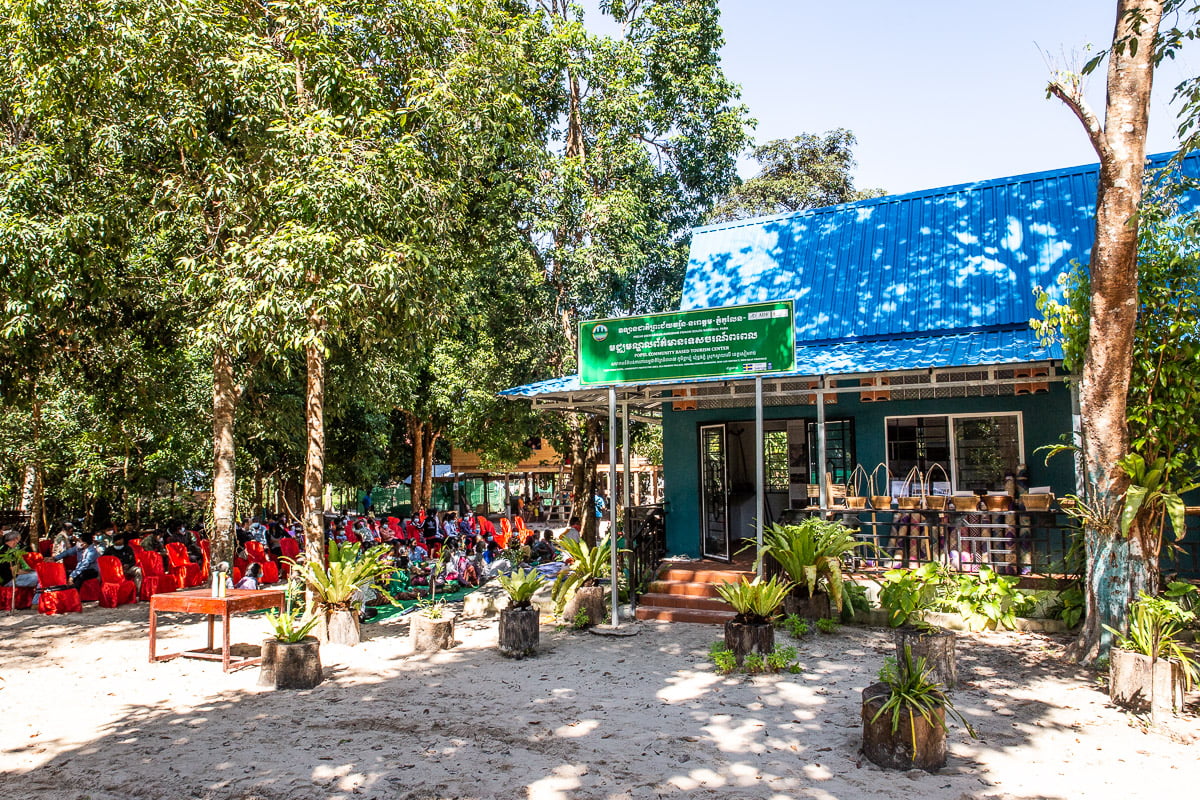
In recent years, archaeologists teamed up with local communities and the National Park to create Community Protected Areas around the last pockets of healthy forests remaining near the villages and developing community-based ecotourism.
Community-based ecotourism in Keo Seima
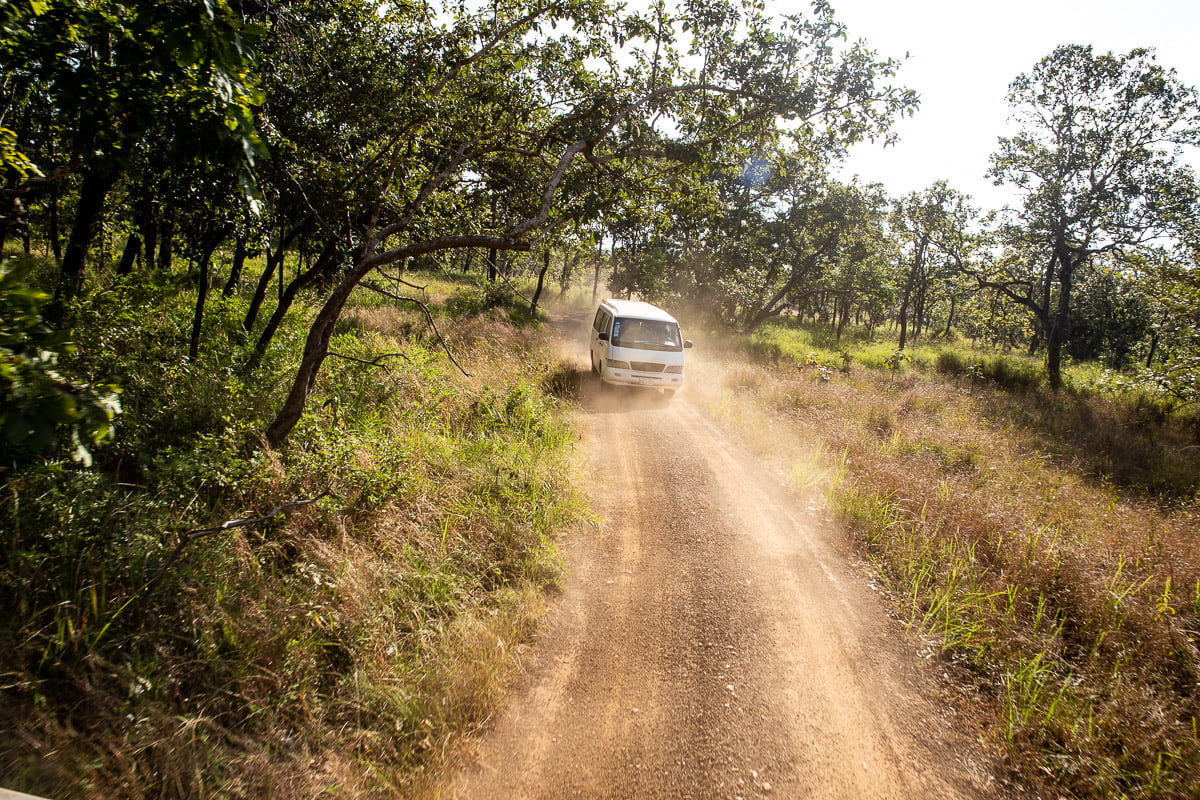
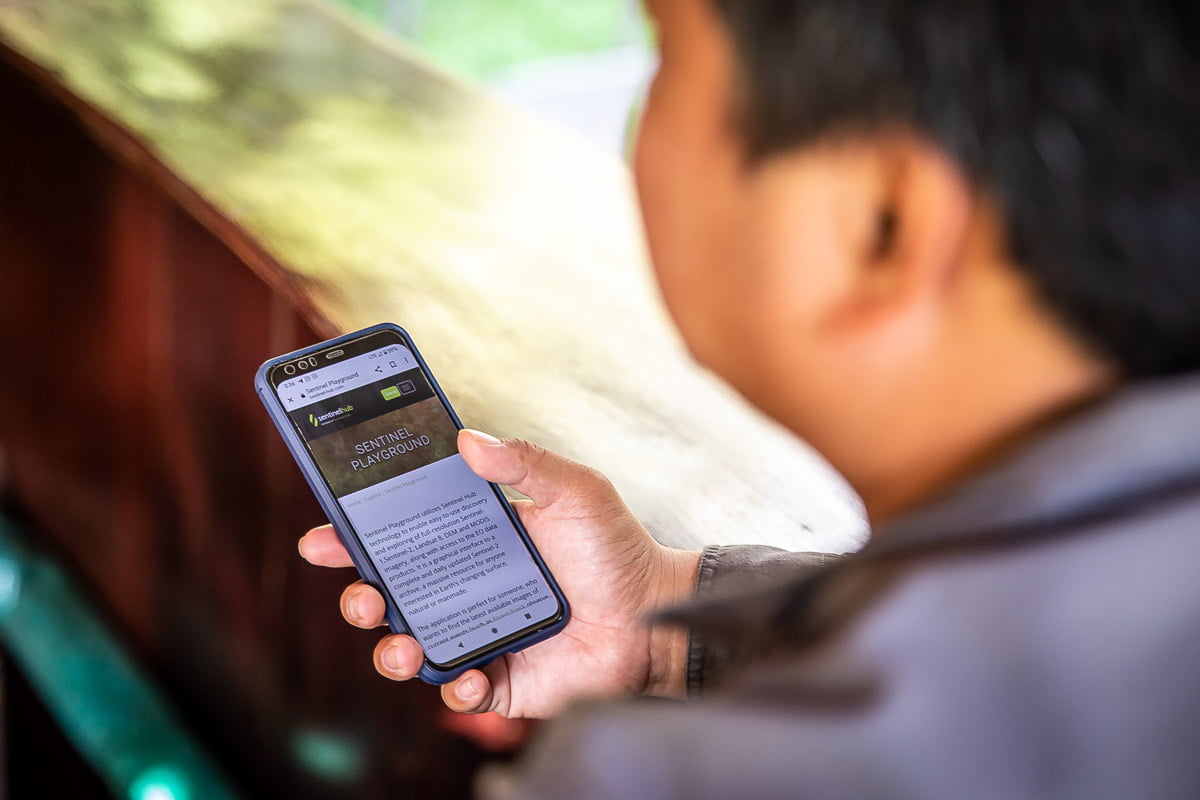
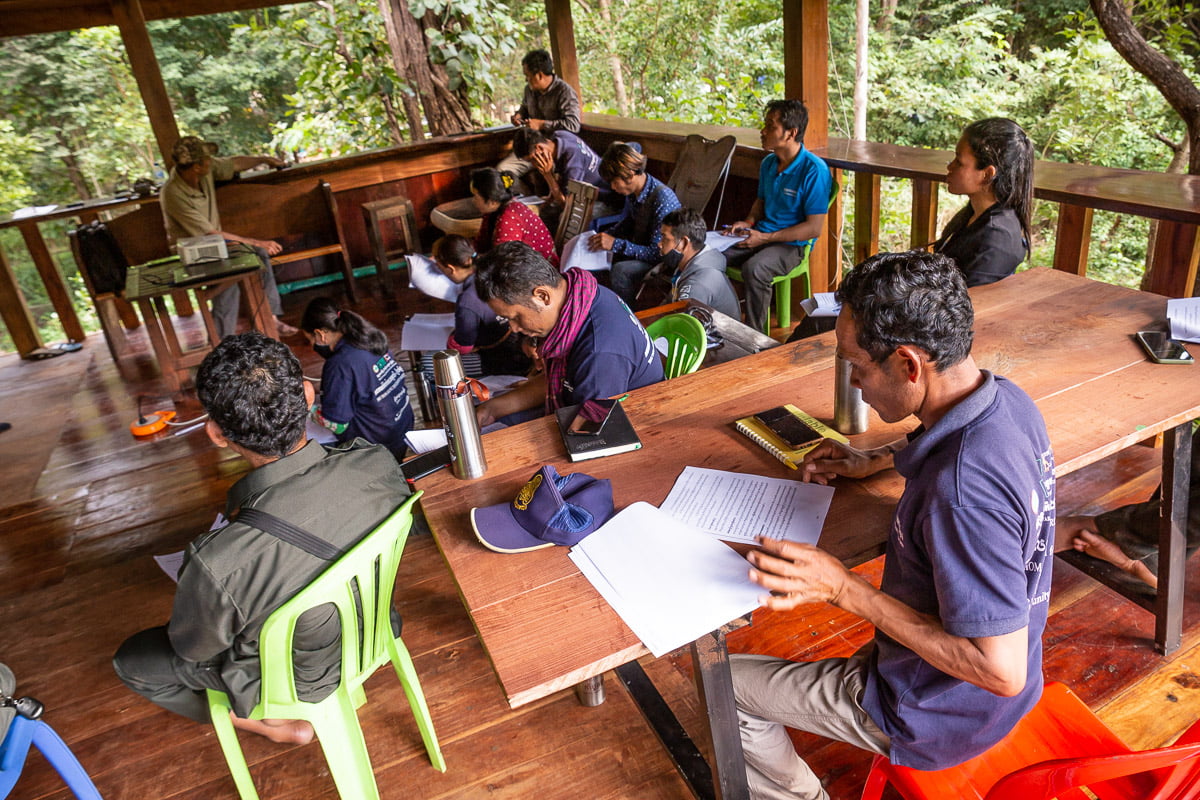
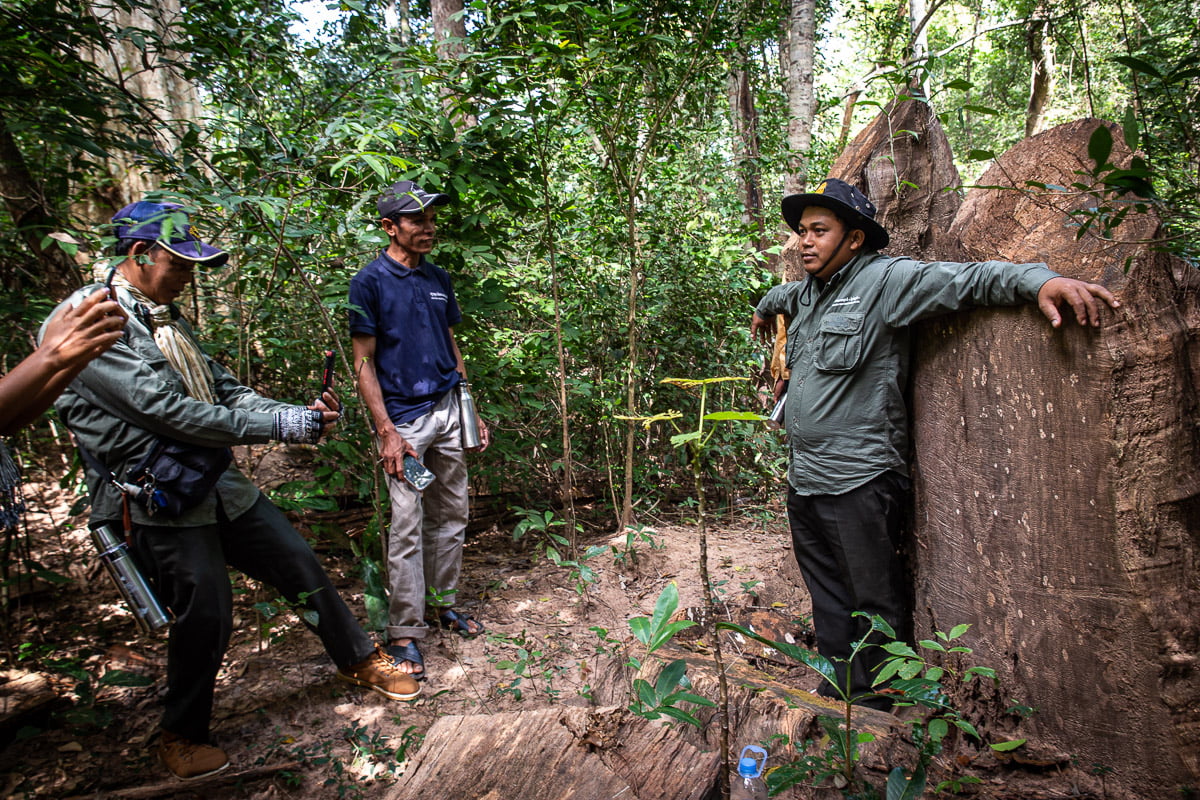
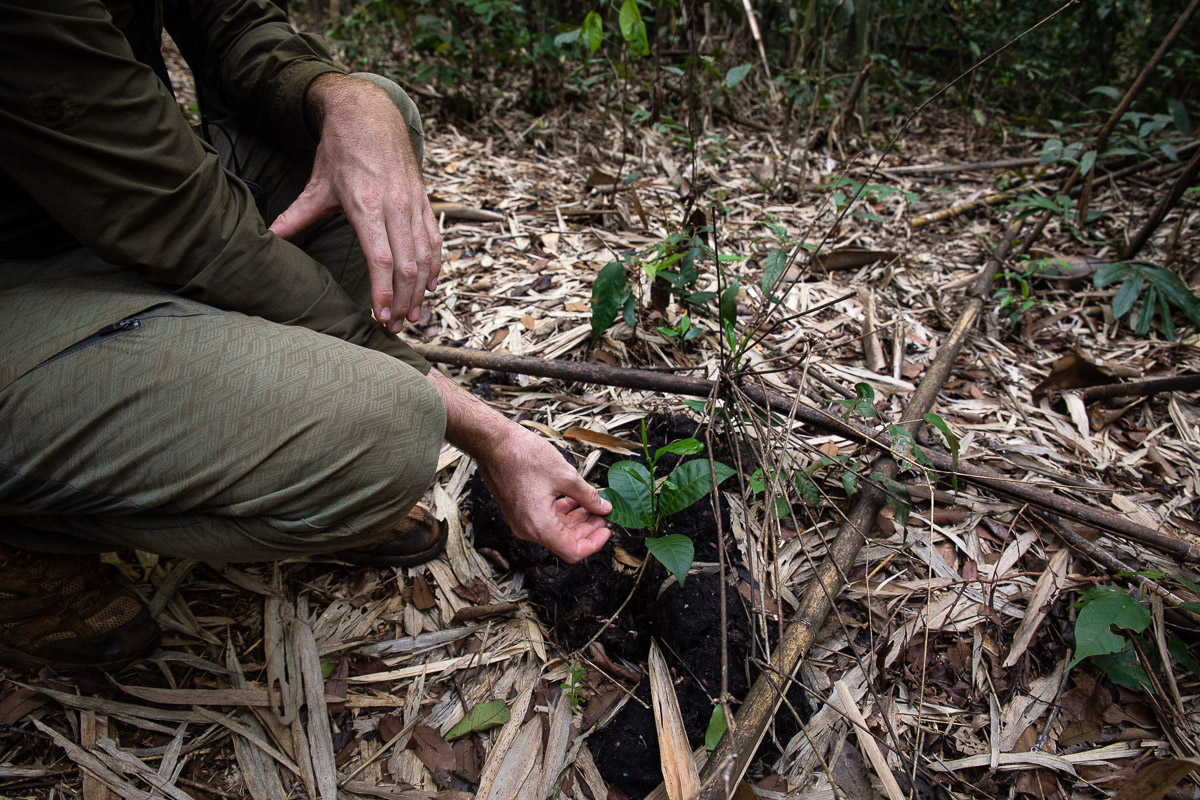
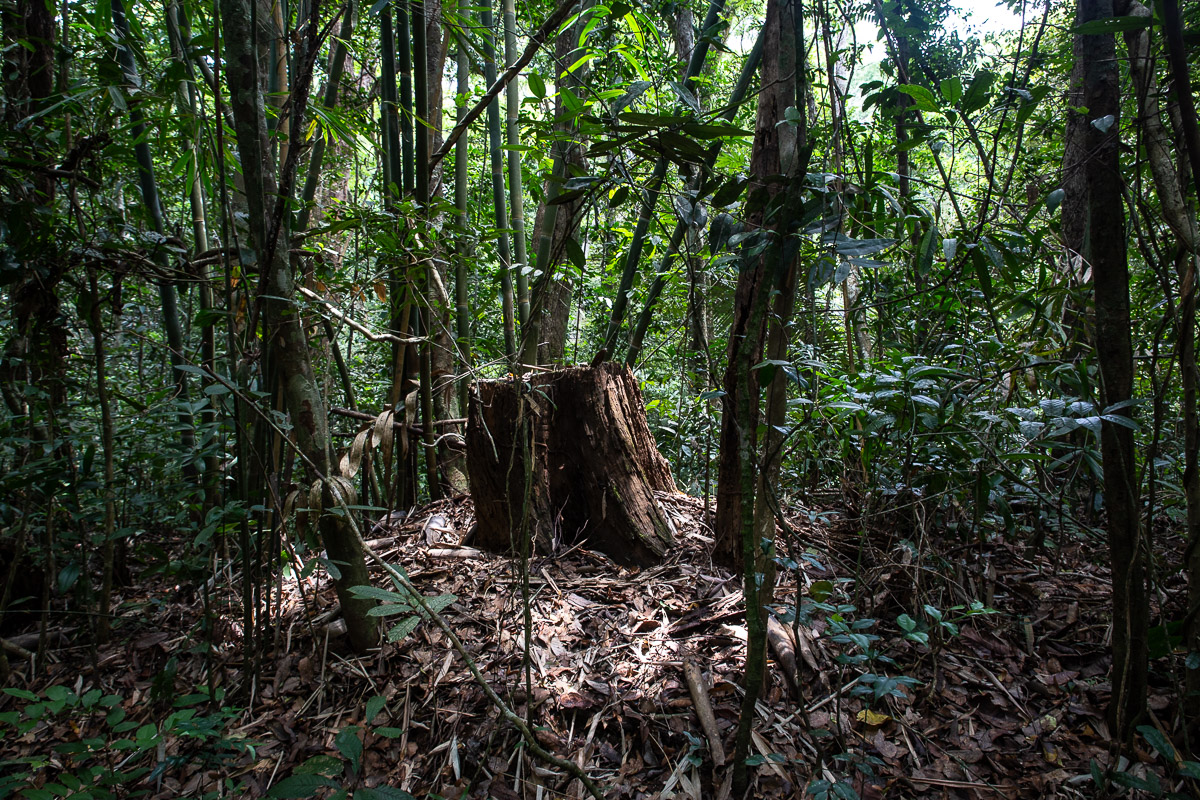
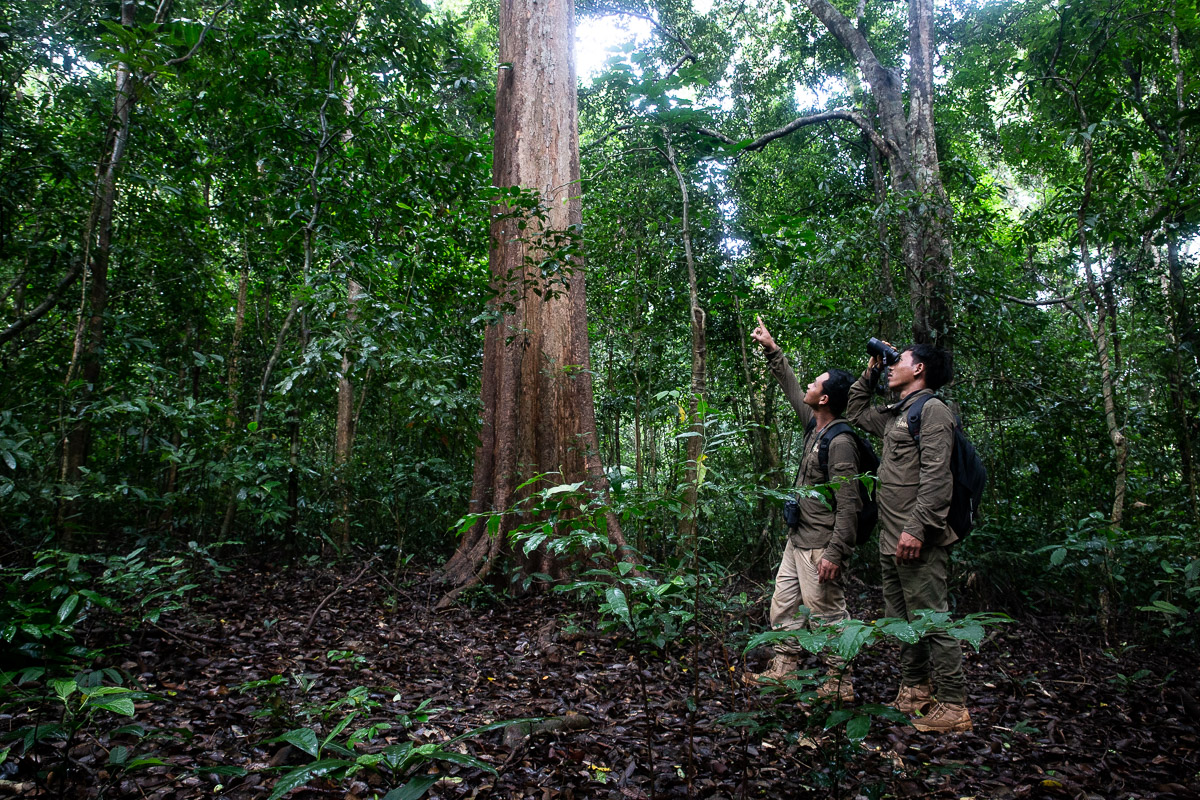
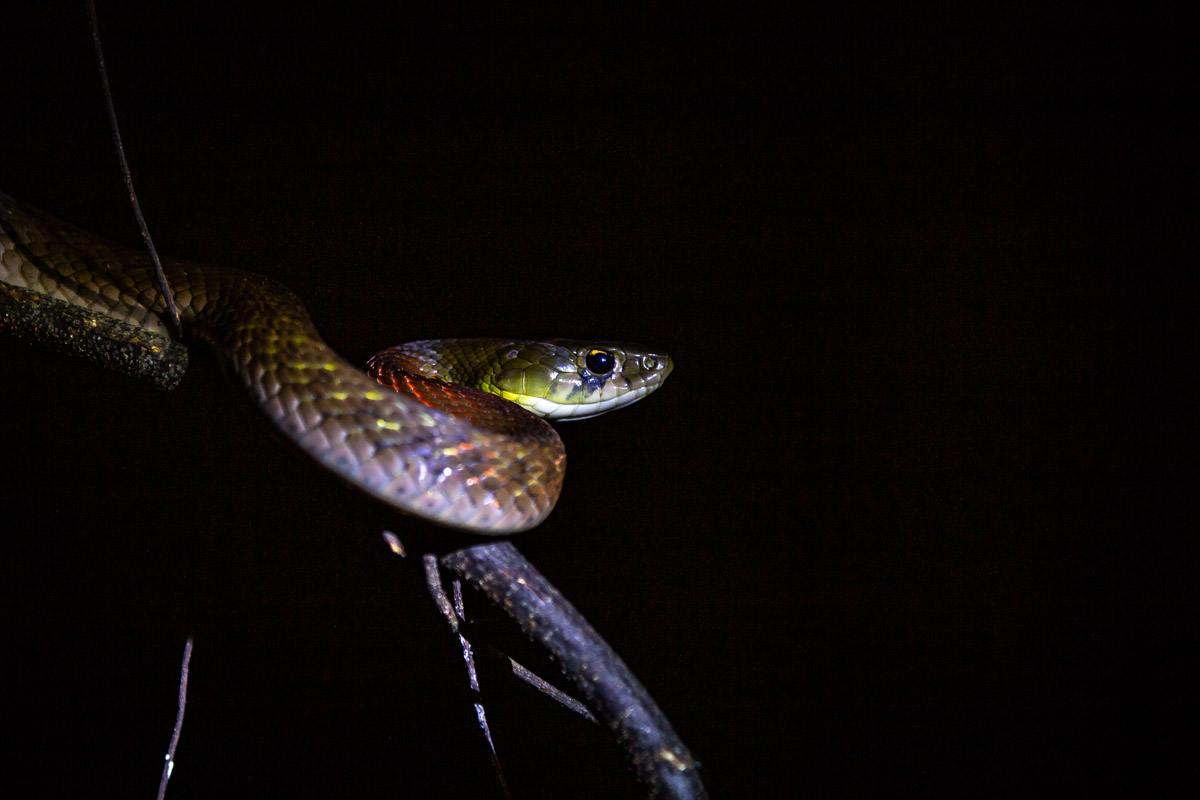
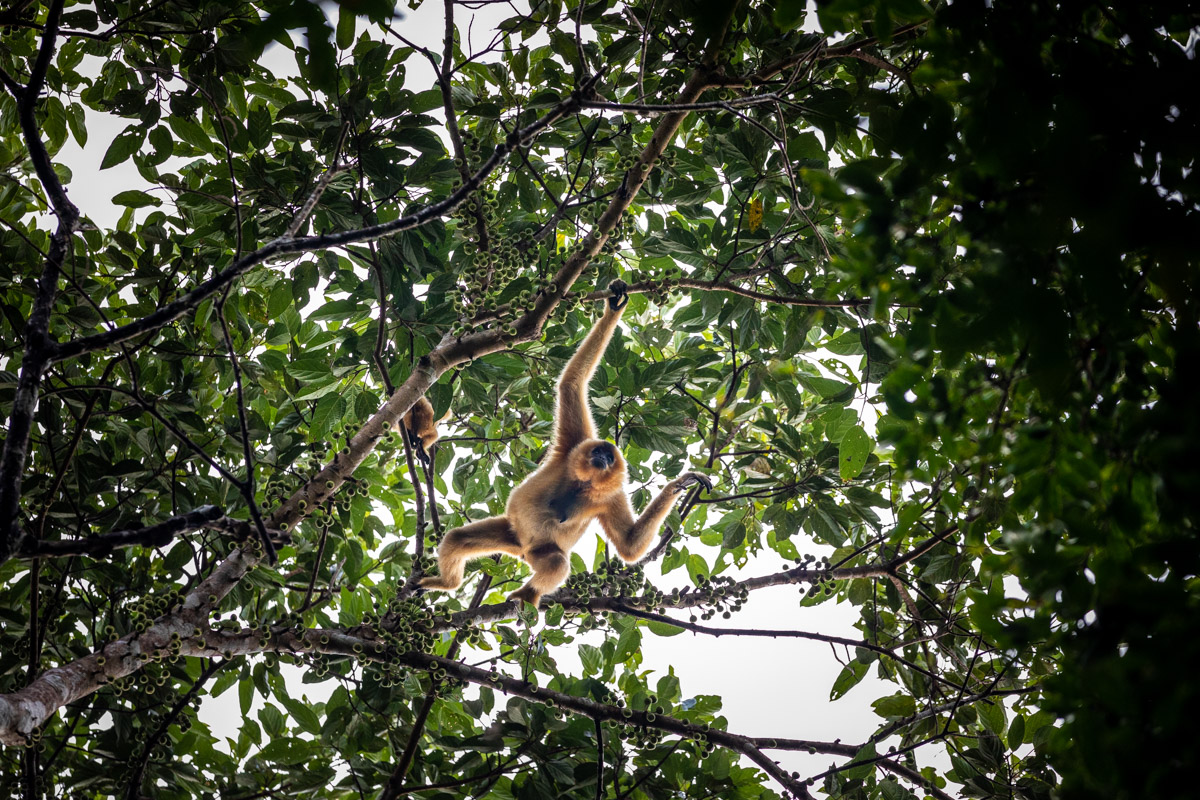
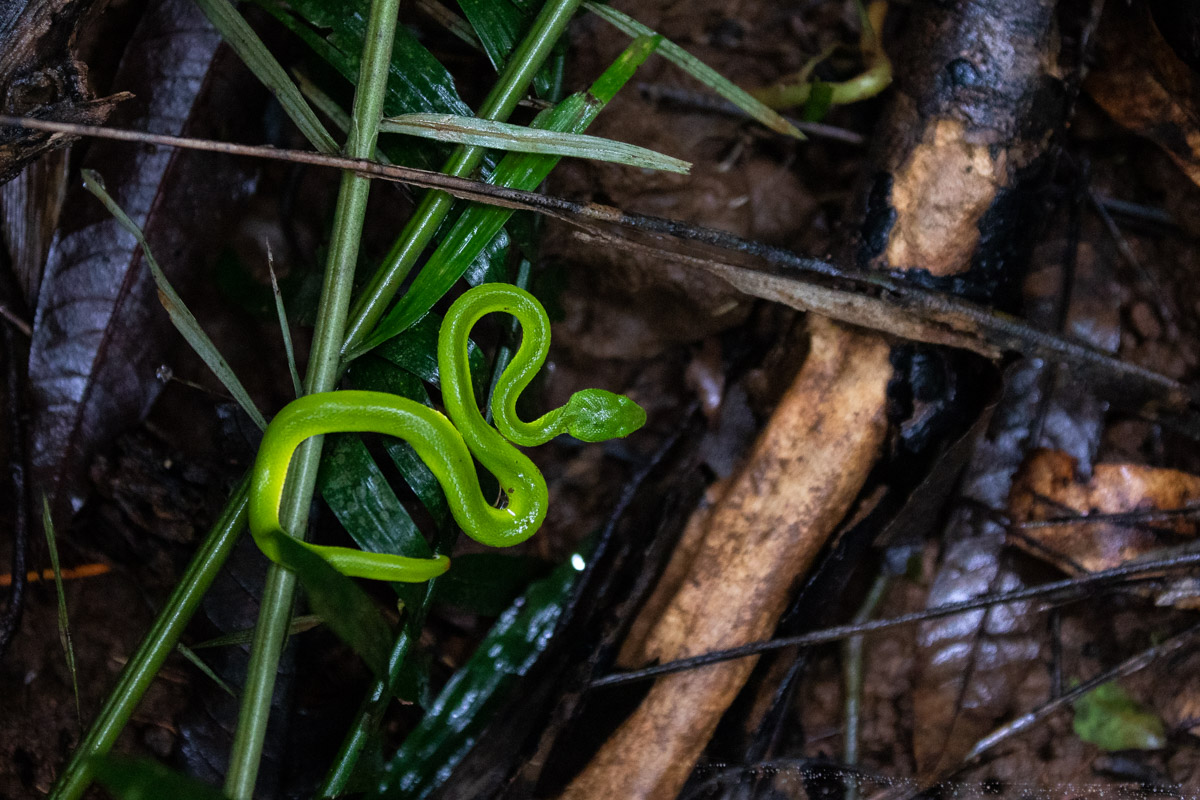
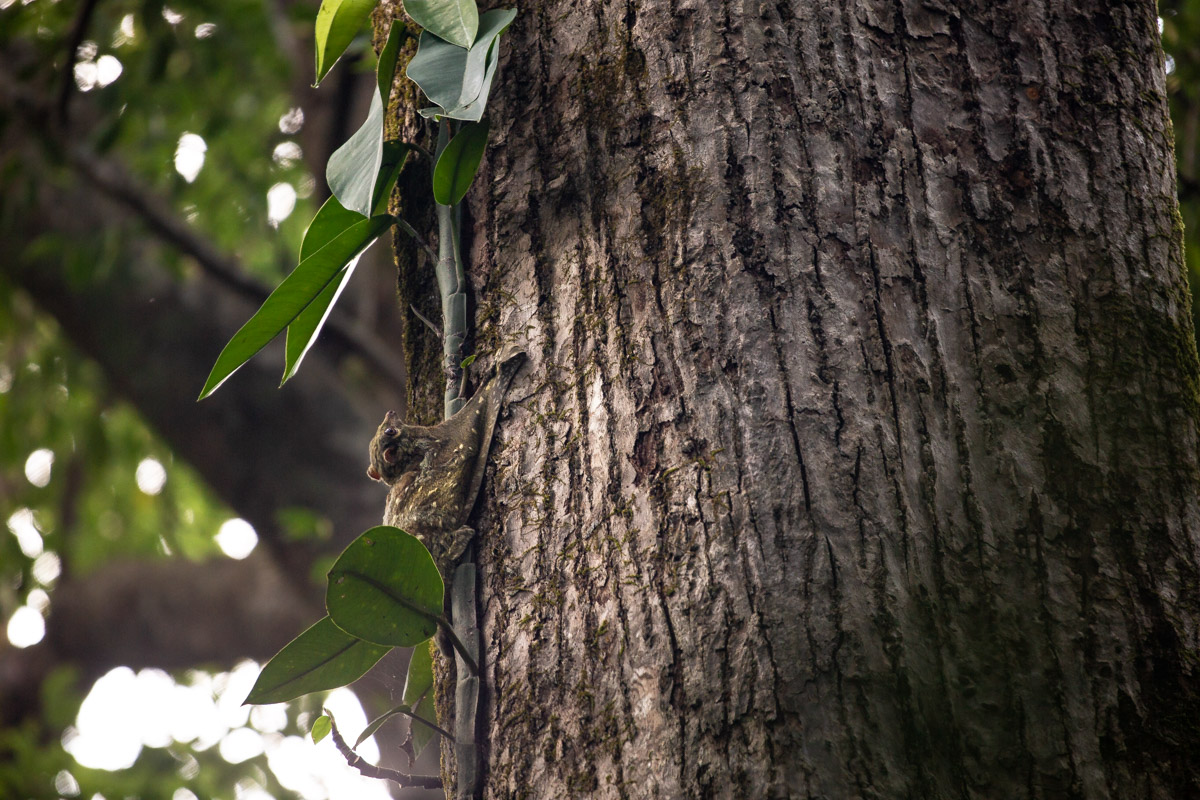
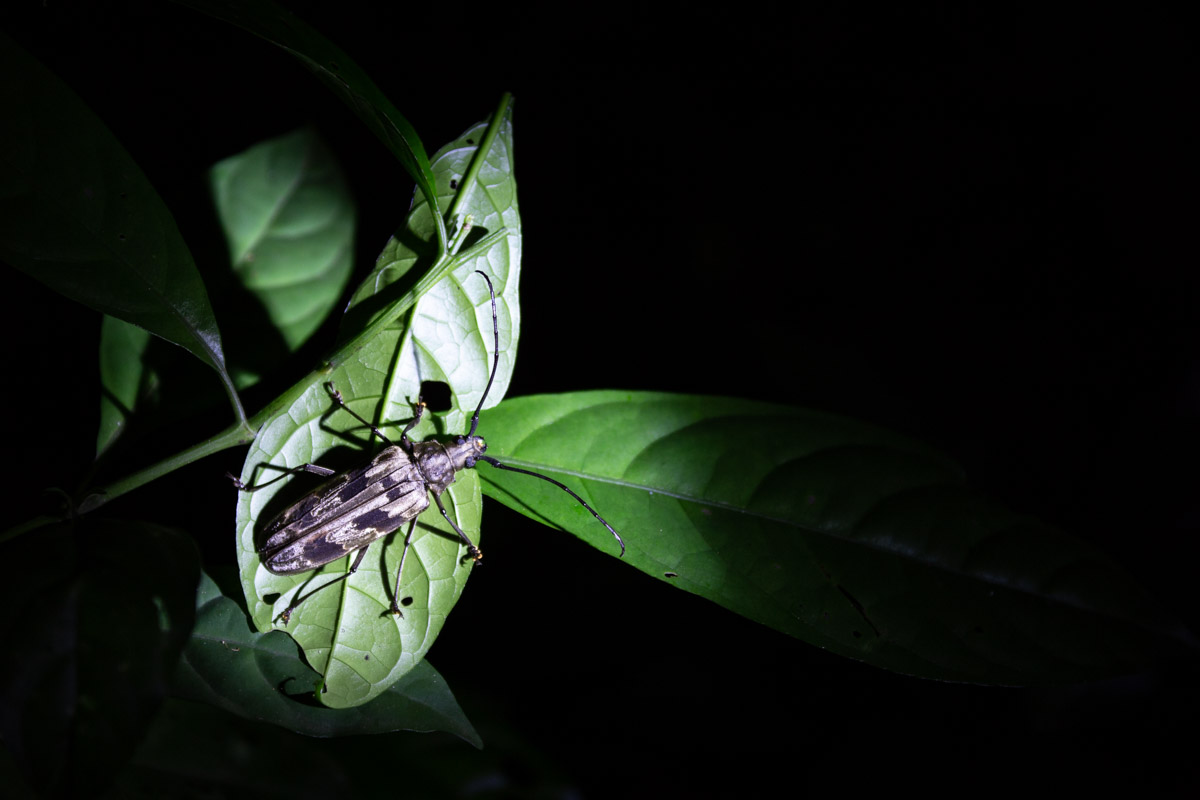
Keo Seima Wildlife Sanctuary is home to the largest populations of both the endangered Southern yellow-cheeked gibbon and the critically endangered Black-shanked douc. The Jahoo research & ecotourism project is located in the buffer zone of the sanctuary on land collectively owned by an Indigenous Bunong community. “Far from an idealized wild nature, pathways to protect ecosystems with their inhabitants, humans and non-humans, are complex and intertwined in many ways with the ‘modern world’ that lies beyond the forest’s edge.” – The Jahoo living forest.
Part of the 2023 Pulitzer Center-supported exhibition ‘Pray for Prey’ in Phnom Penh & Conservation Optimism’s 2023 Nature Recovery exhibition in Oxford, UK.
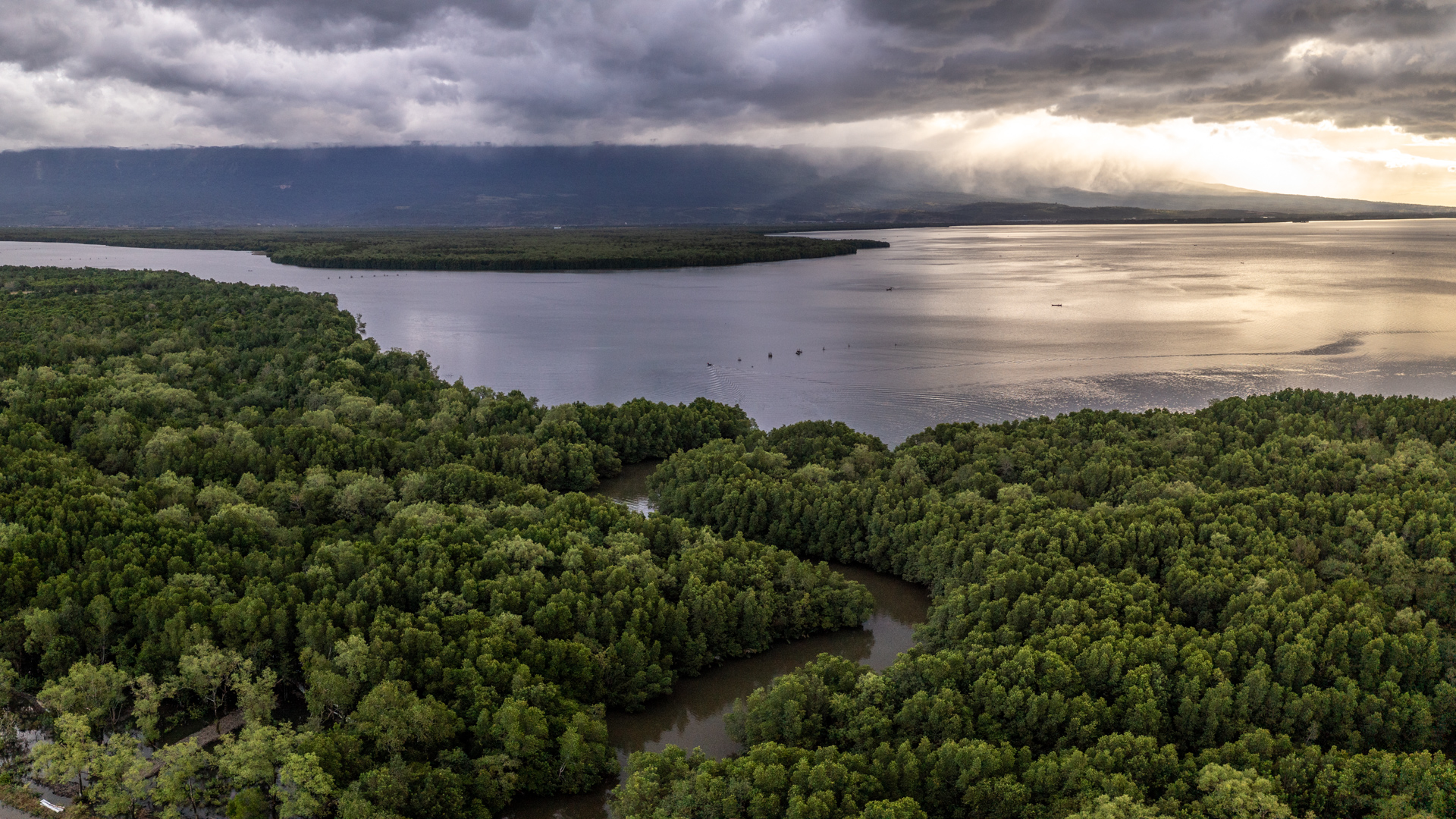
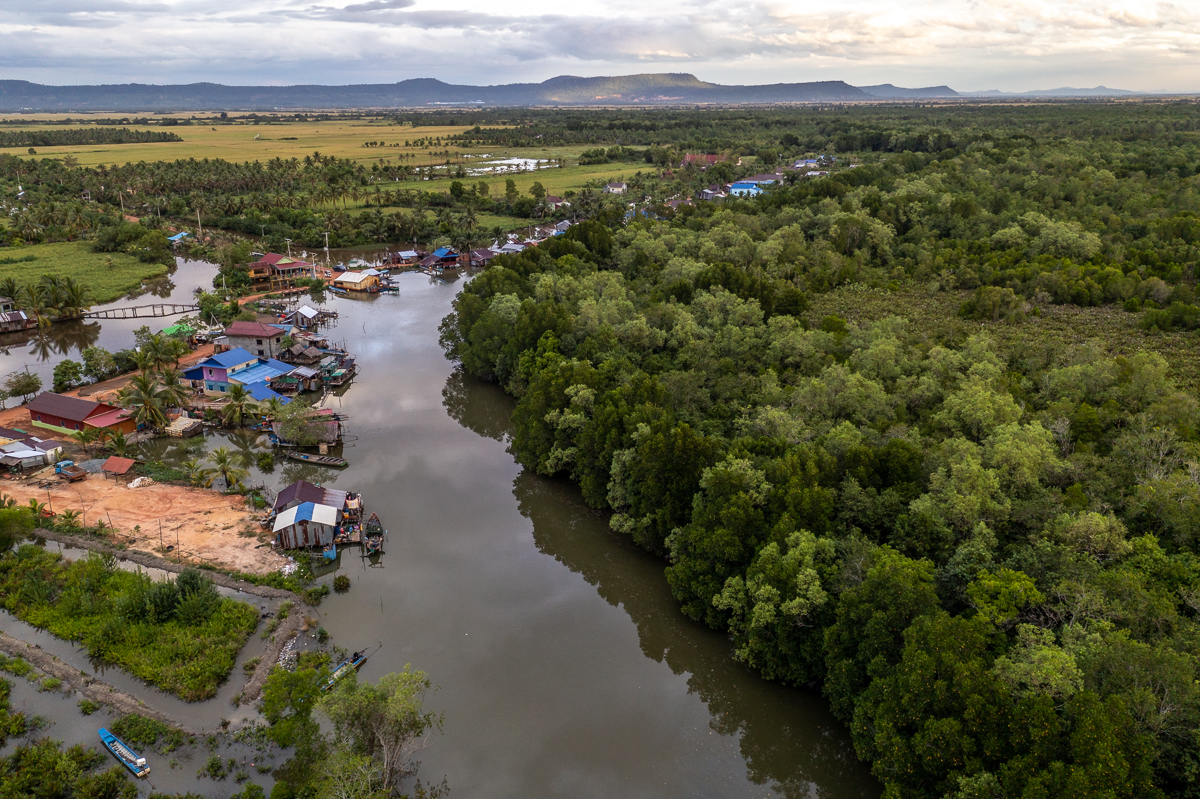
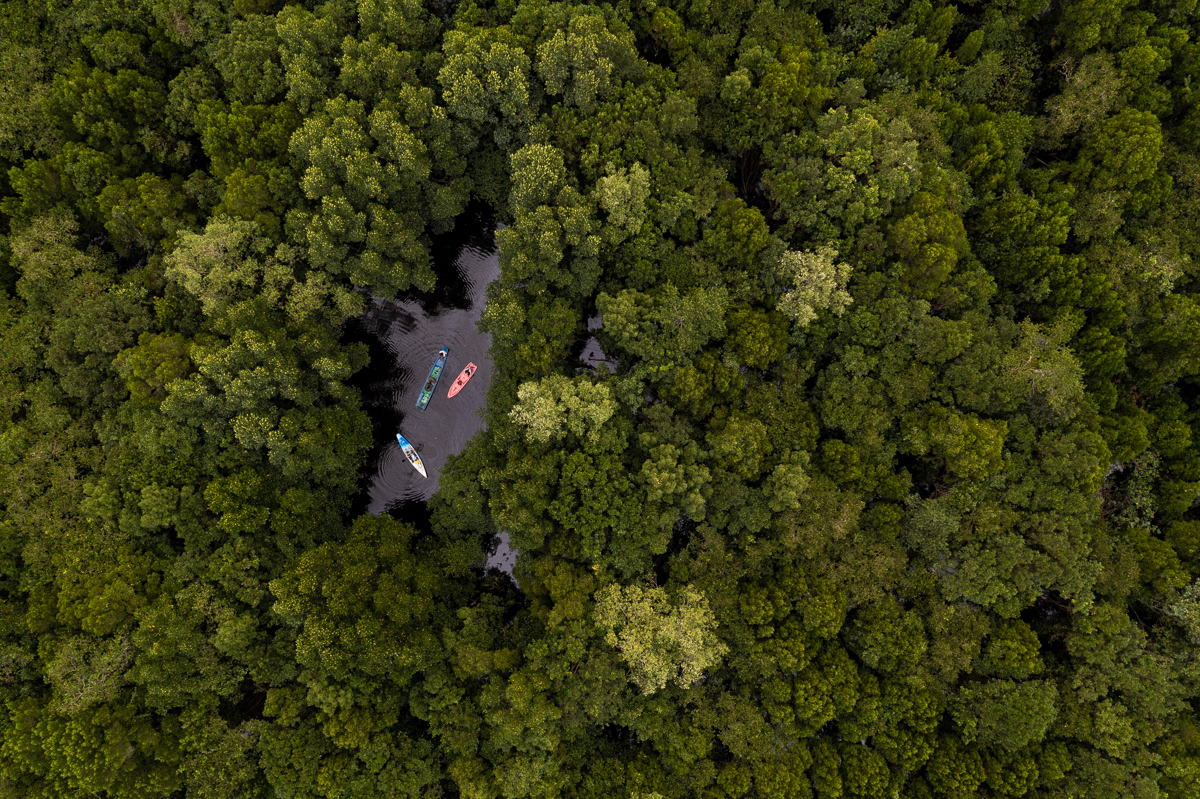
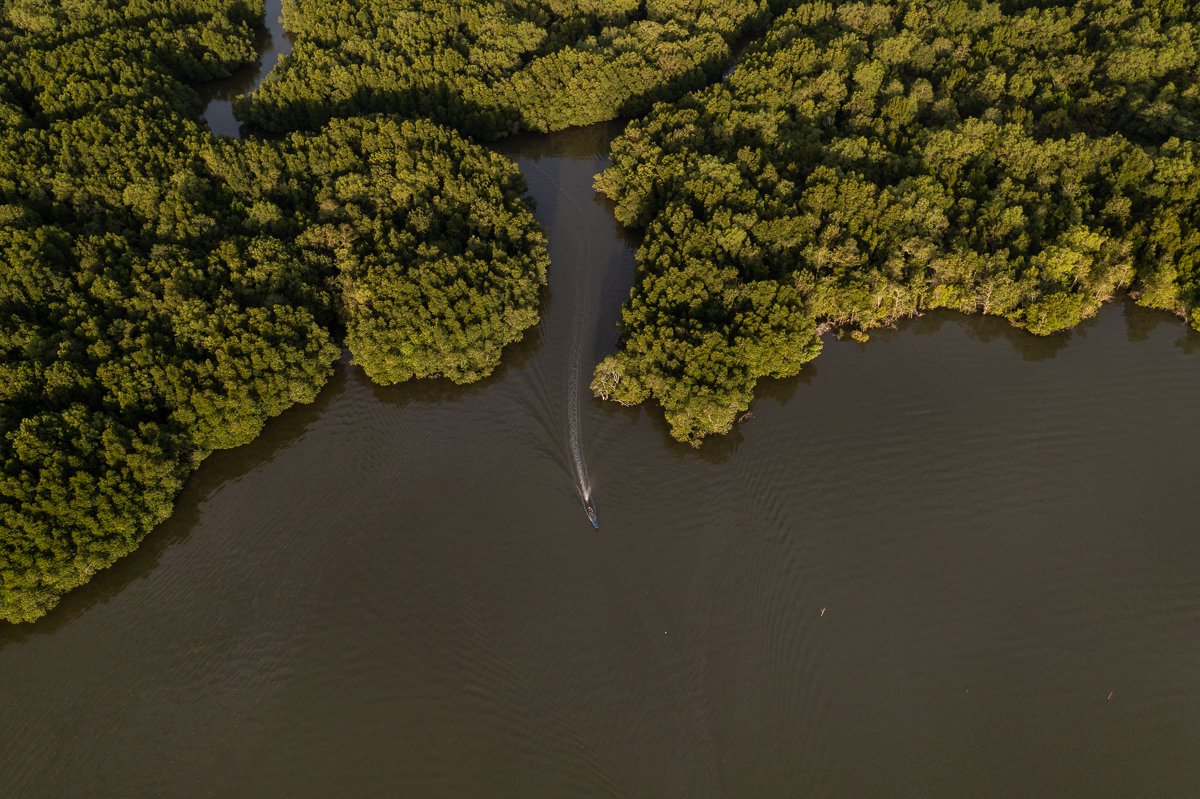
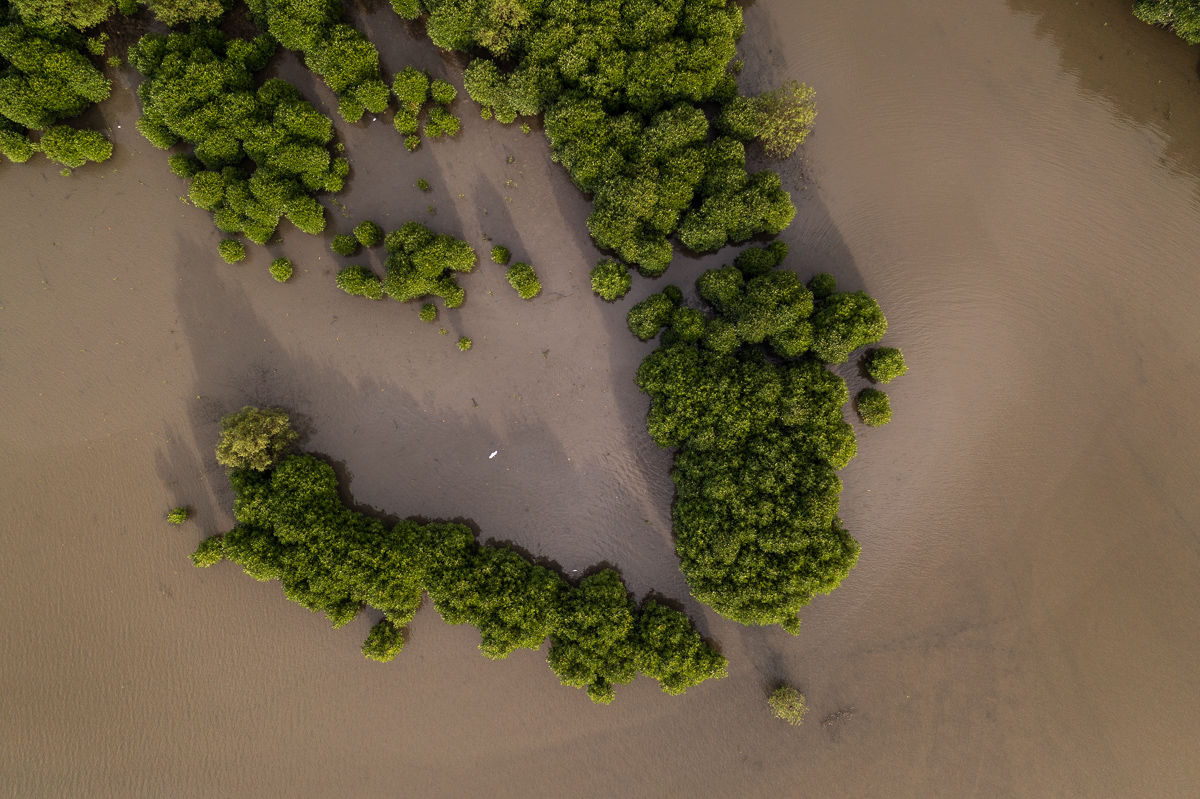
The mangroves of Prey Nup
Not far from Sihanoukville, at the foot of the Bokor plateau, lies the Prey Nup mangroves, a rich network of flooded forest, mudflats and waterways thriving with a high diversity of bird and endangered mammals species.
Drone shoot for a private conservation initiative.
Marine ecosystems
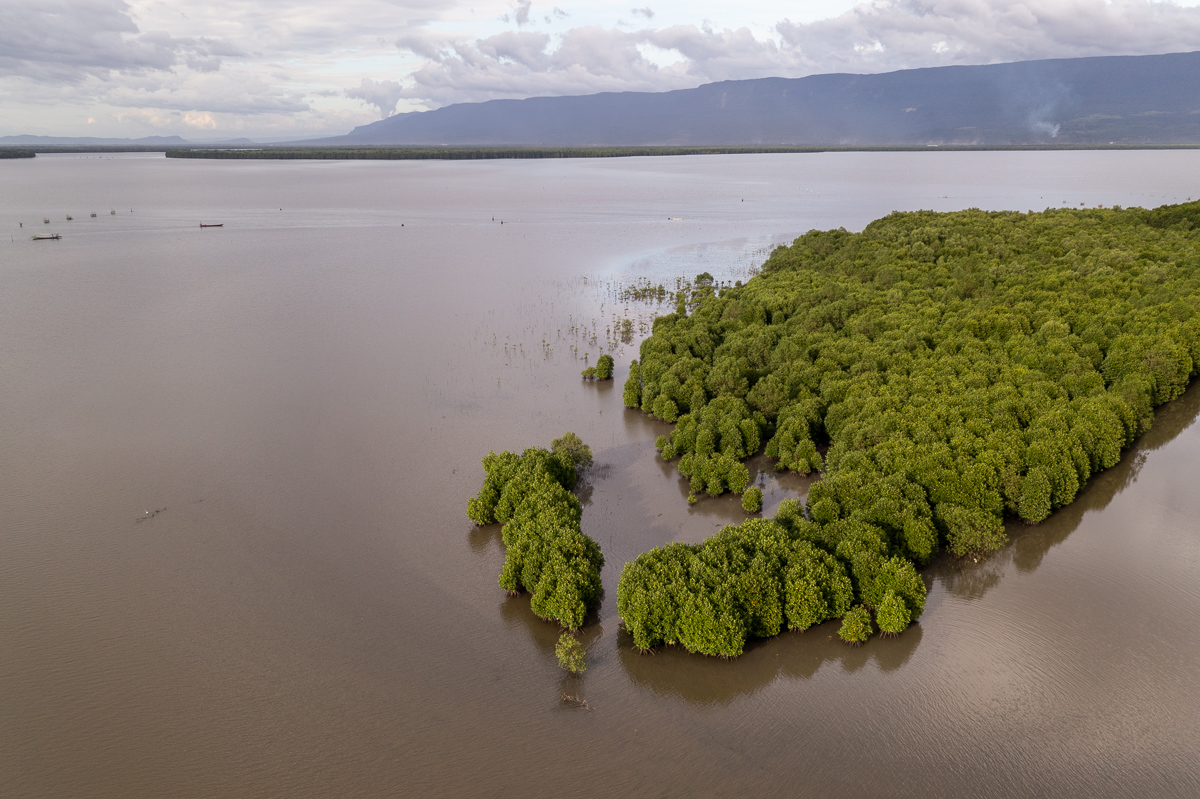
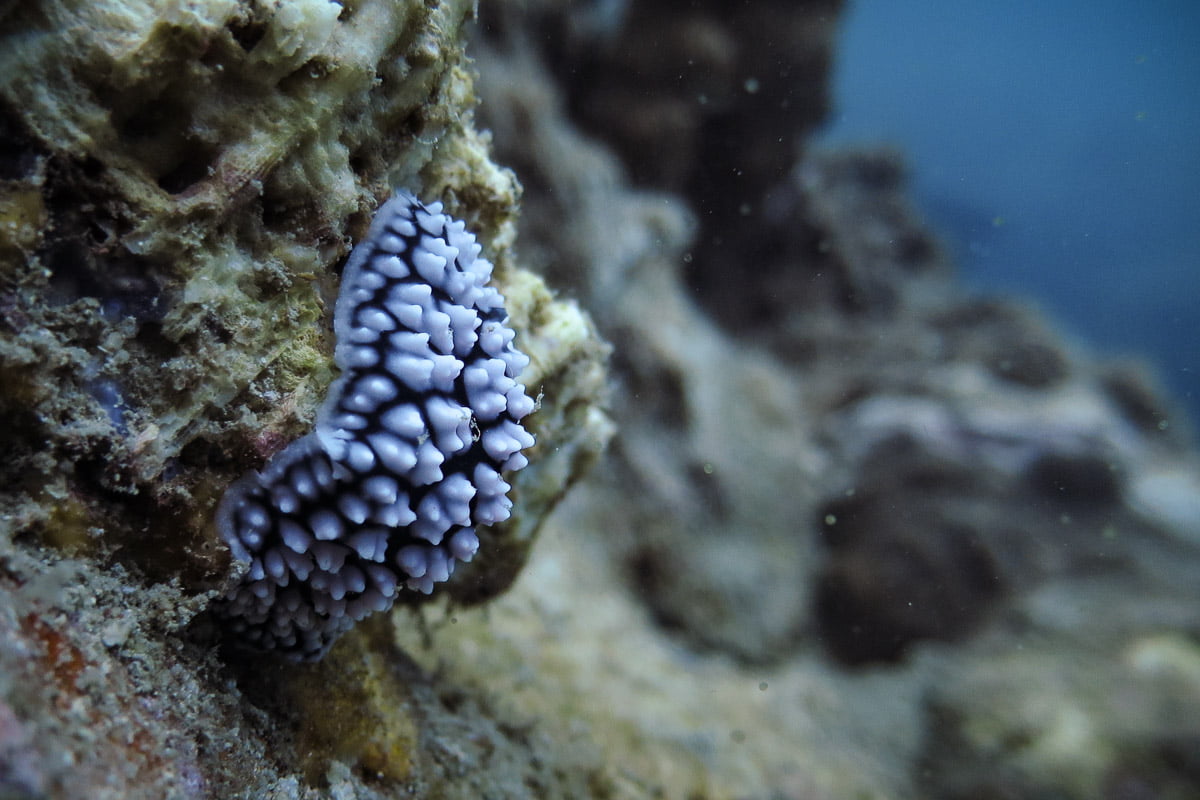
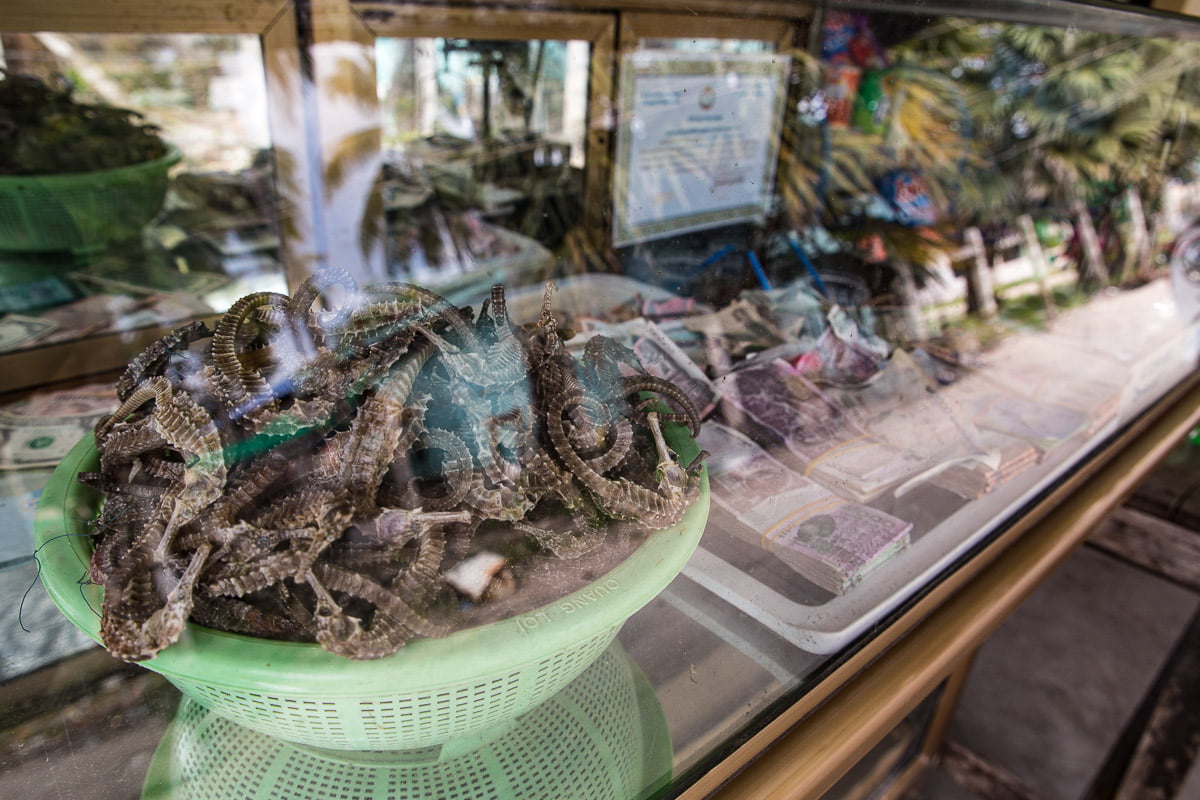
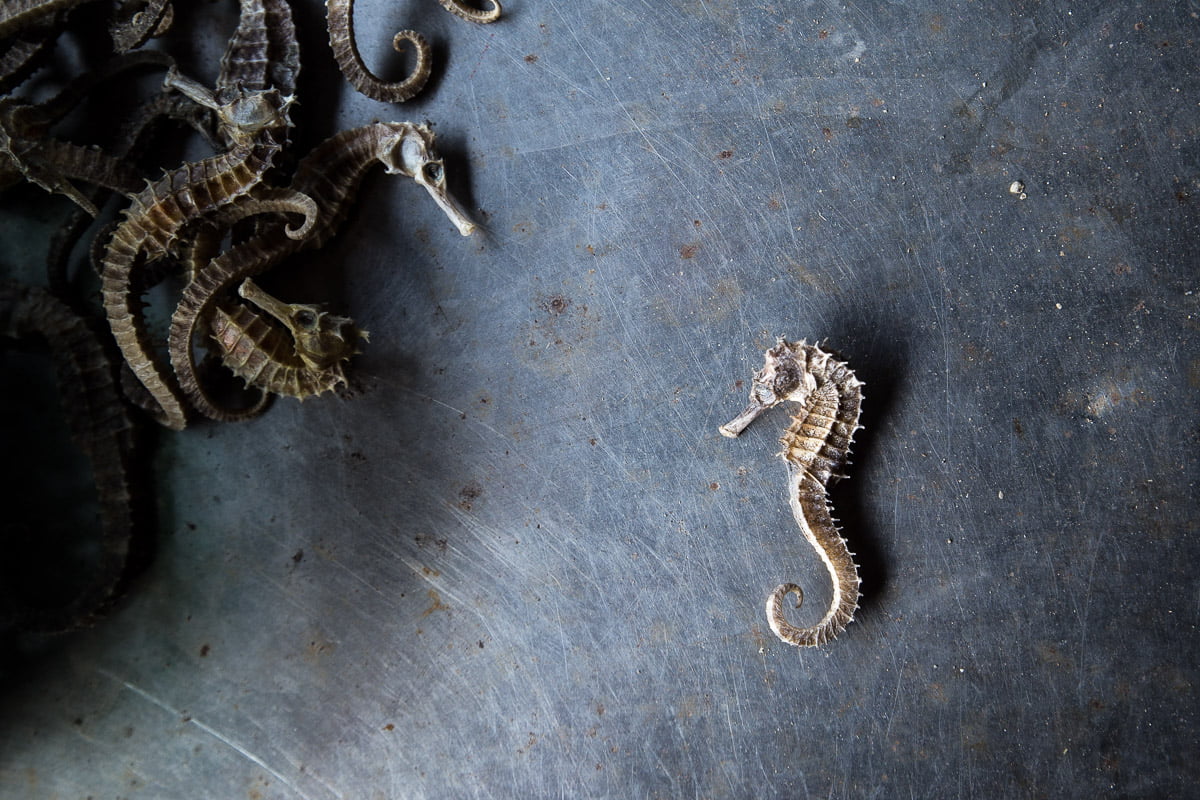
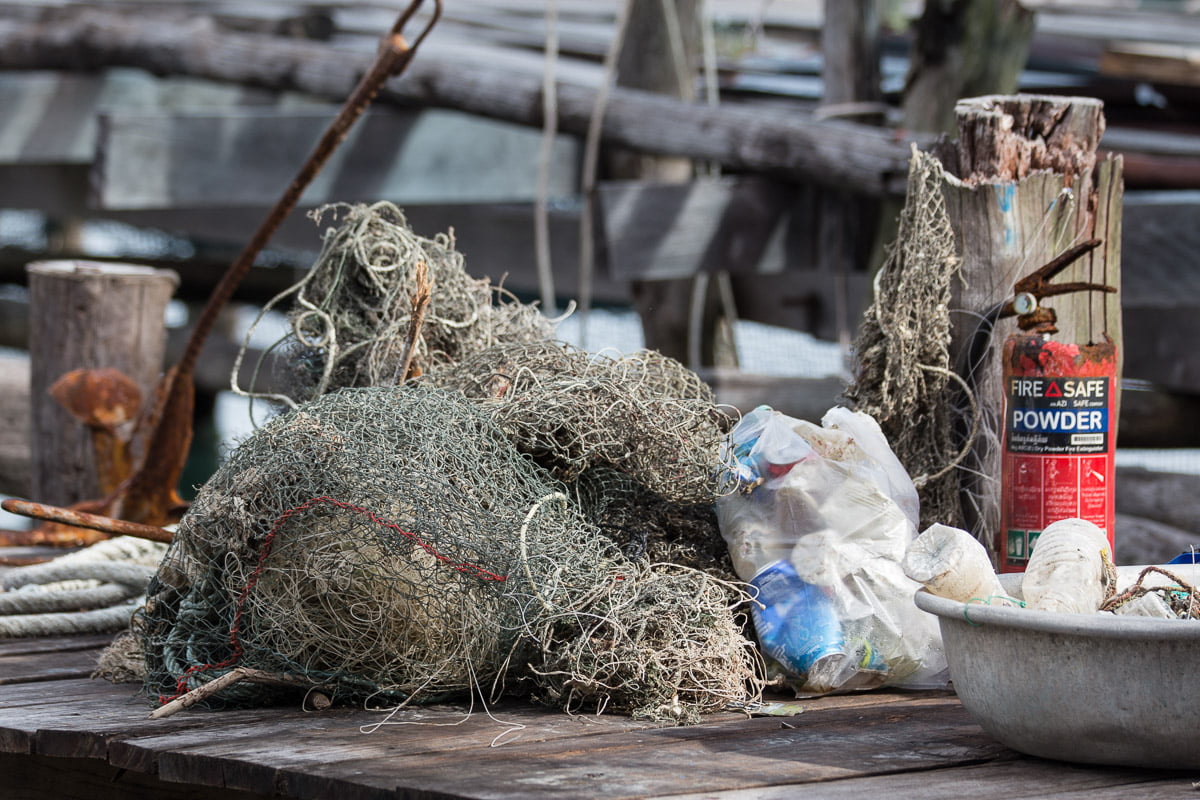
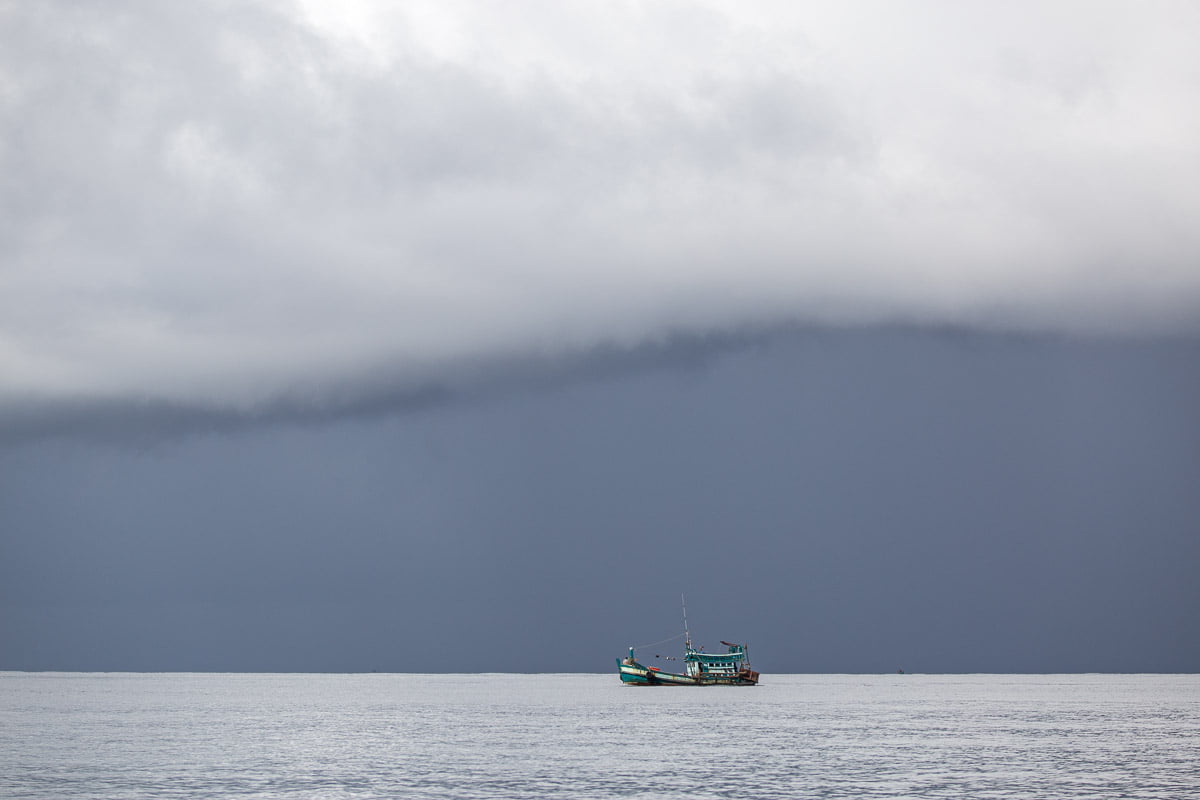
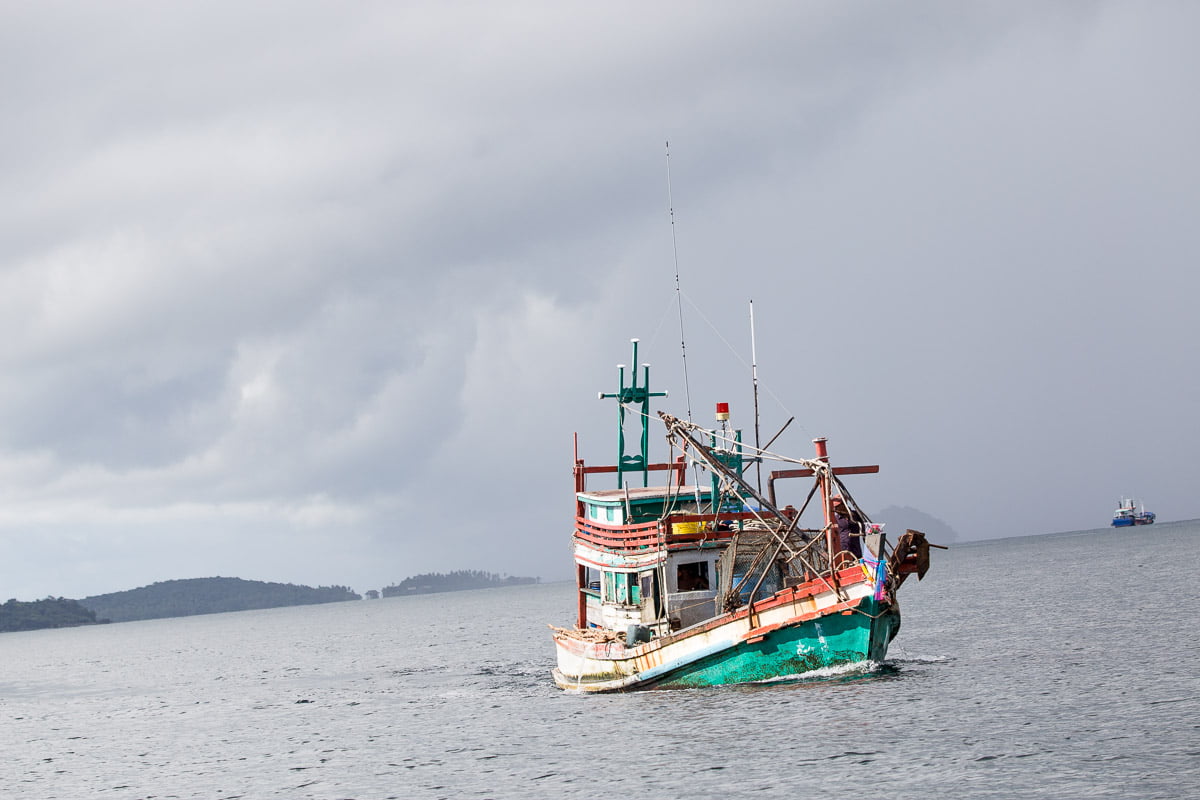
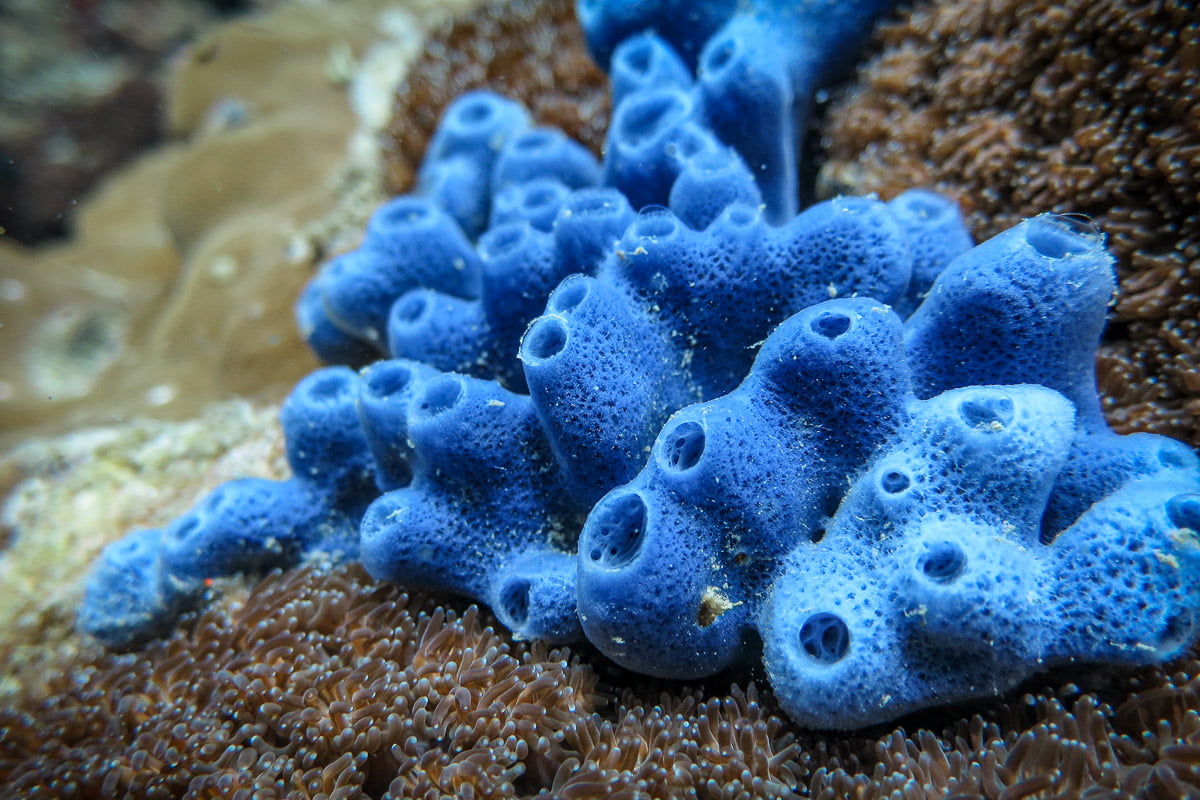
Cambodia’s marine environment faces a number of anthropogenic threats, among them overfishing, the omnipresence of marine debris and the poaching of protected species. At the same time, the country is increasing its number of Marine Protected Areas.


Wetlands & Birds
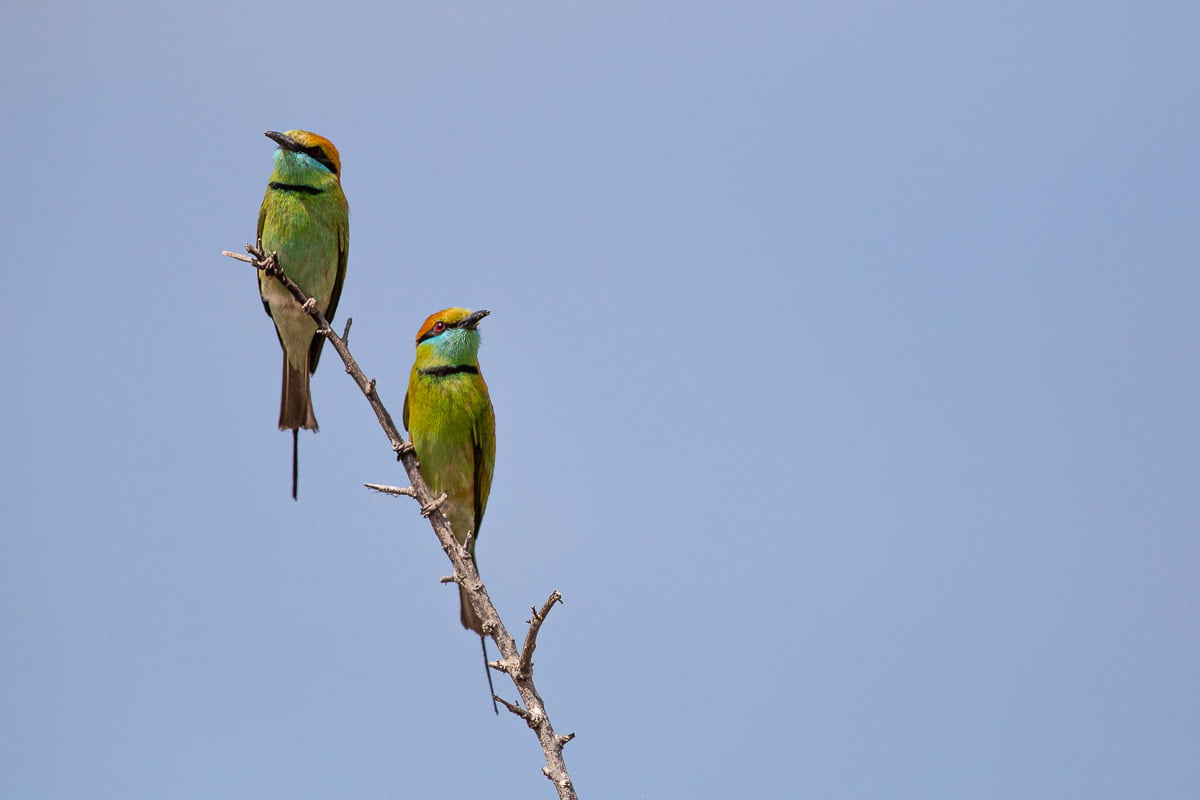
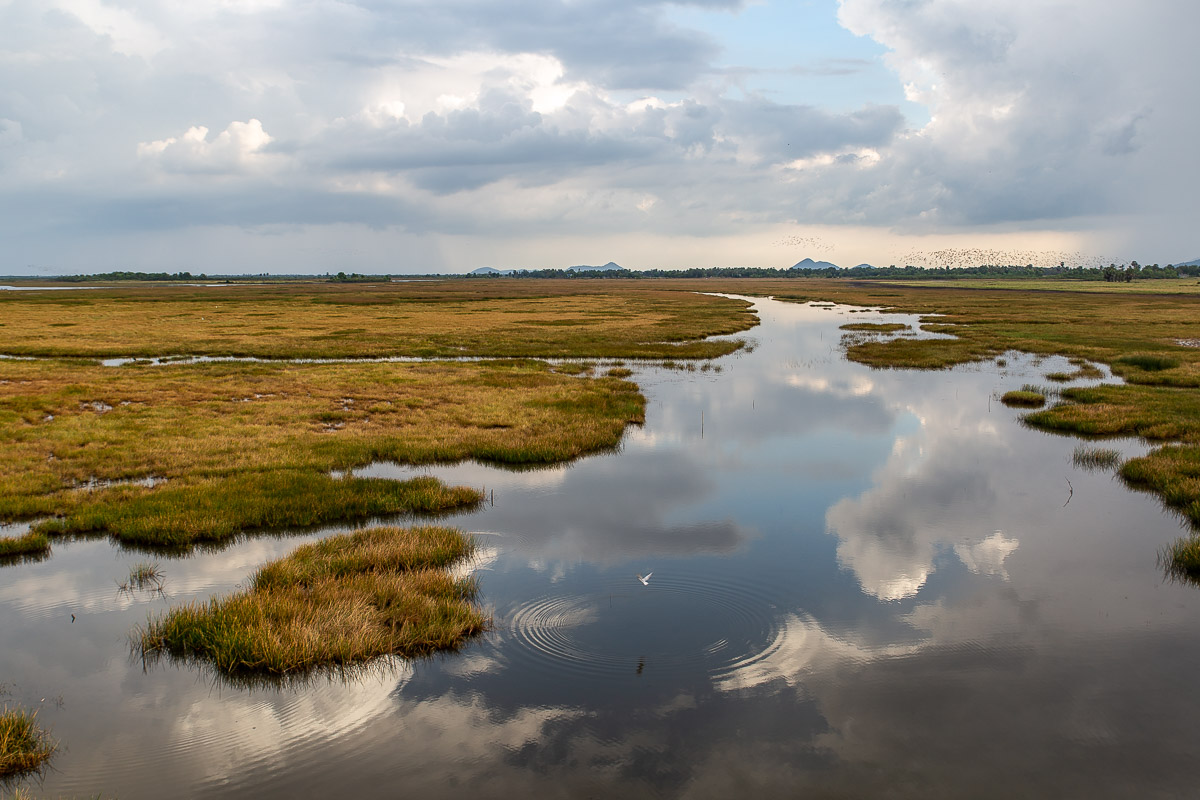
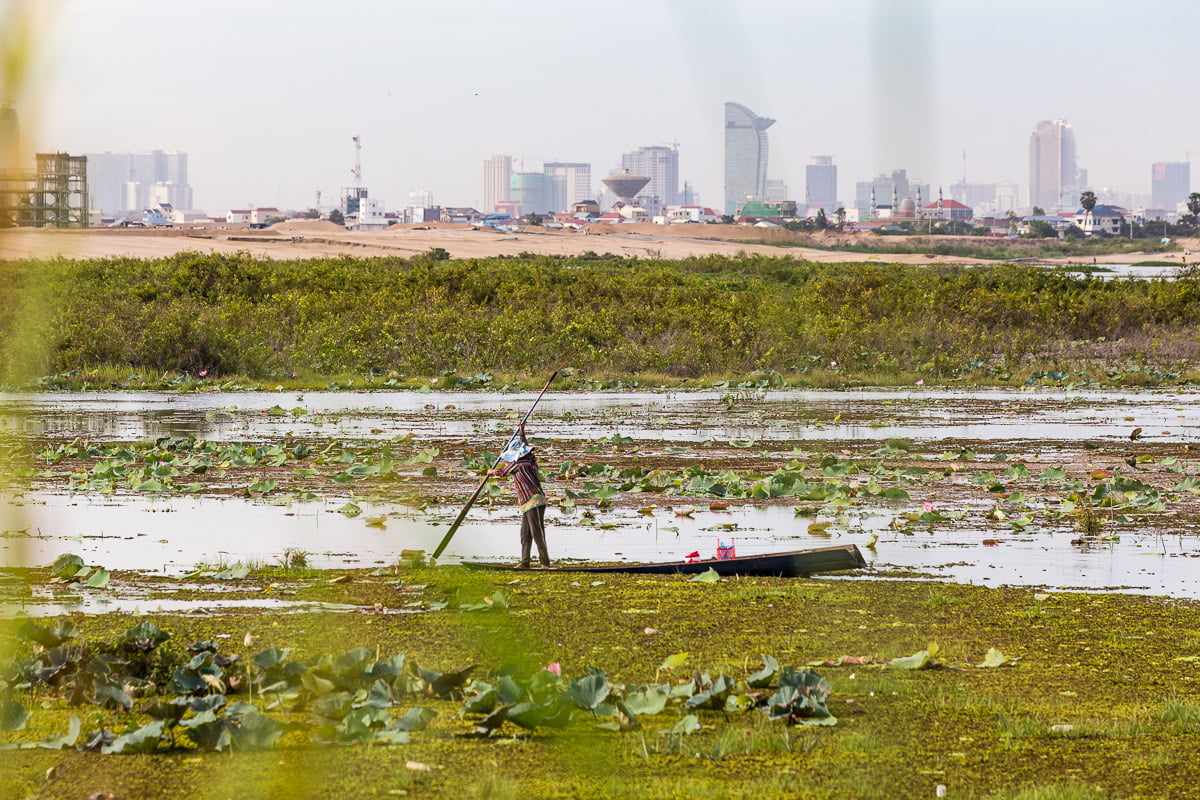
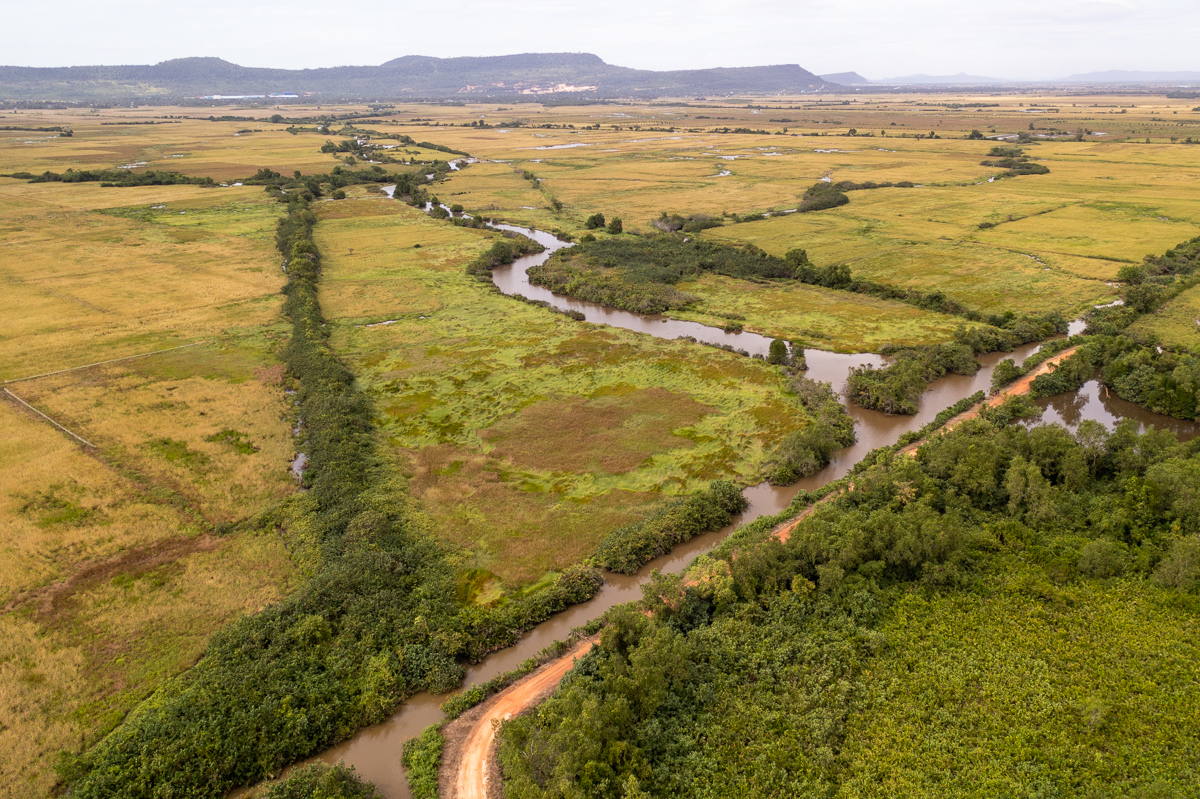
Cambodia has a large number of wetlands – the floodplain of the Tonle Sap and the Mekong – but these are rapidly disappearing to farmland, plantations and new developments, especially around Phnom Penh. Meanwhile bird hunting is rampant in these habitats, mainly driven by poverty and demand for wild meat.