Caged & Smuggled: the Rise of Cambodia’s Exotic Pet Trade – in pictures
Pitch preview of a project started in 2023/2024 documenting the rapid rise of the exotic pet trade in Cambodia and the unraveling of local law enforcement on wildlife trade issues. Please refer to the story pitch sent by email.
Note: I have new leads to follow in the coming months, notably involving other species and situations, in addition to follow up on existing leads already partially covered. I plan to apply for a grant to complete the story.
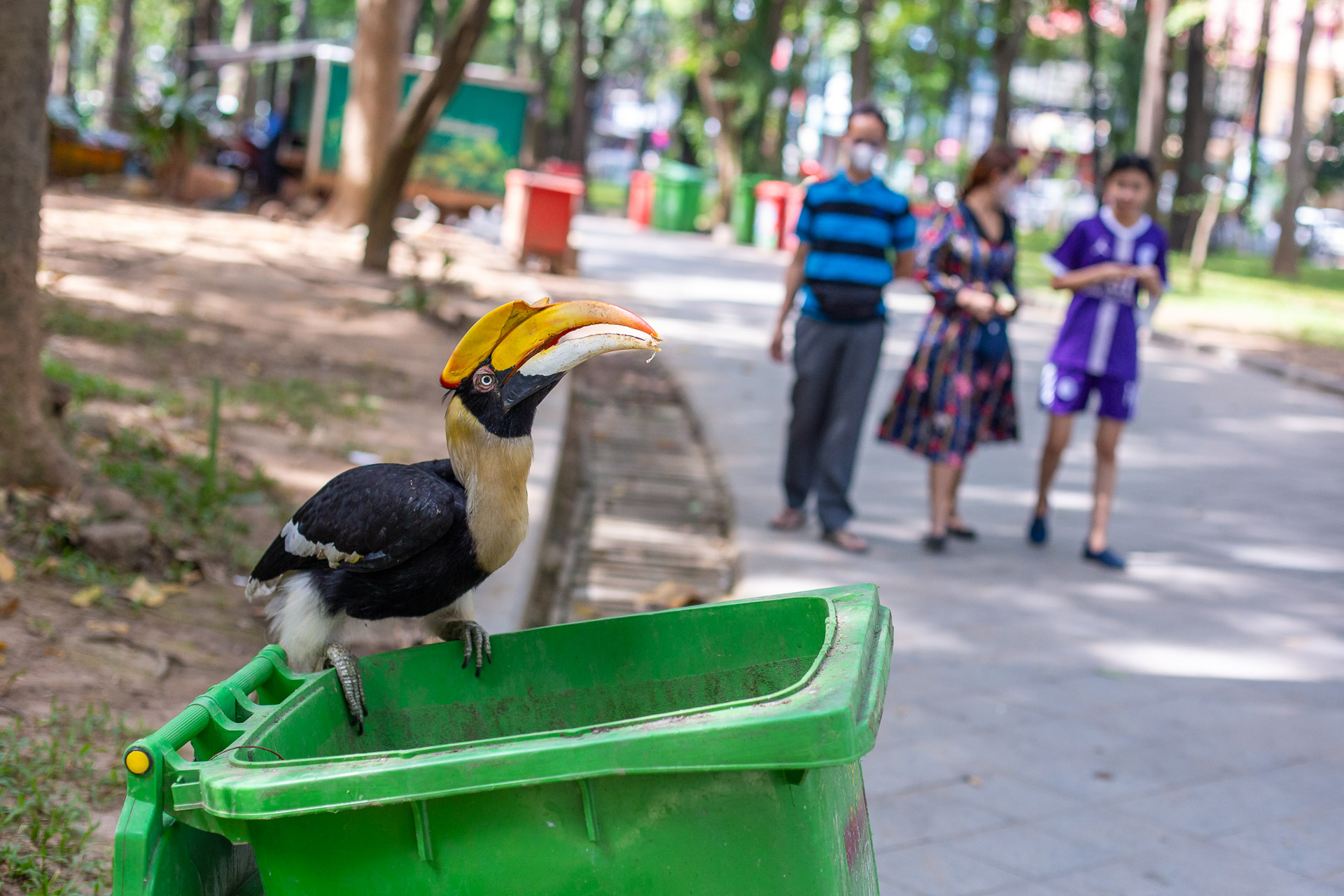
Perhaps the most visible symptom of the popularity of exotic pets in Cambodia are the hornbills that now call the country’s capital home. Great and Wreathed hornbills, listed as Vulnerable on the IUCN Red List and protected in Cambodia, were likely caught in the forest and sold to wealthy individuals. Former PM Hun Sen once publicly stated that ‘Phnom Penh residents are used to seeing the beautiful hornbills that [his nephew Hun To] releases to fly all over the city’.
Keeping birds of prey has become popular in Cambodia, with many chicks taken directly from nests in the wild. Eagles, hawks and owls are heavily traded on social media, despite being completely illegal. Authorities have given up any attempt at law enforcement, resorting to issue ownership permits without any traceability nor deterrence.

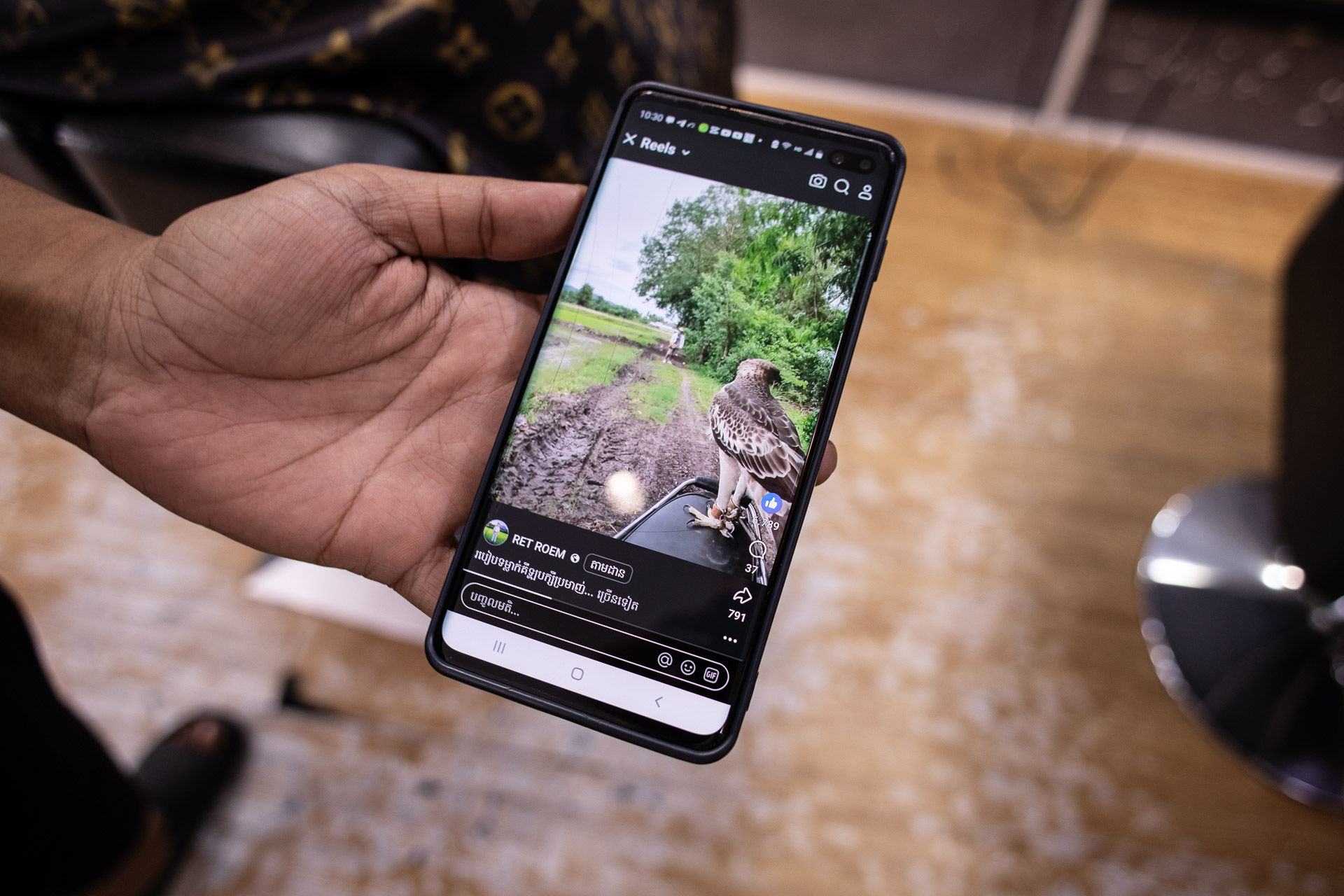
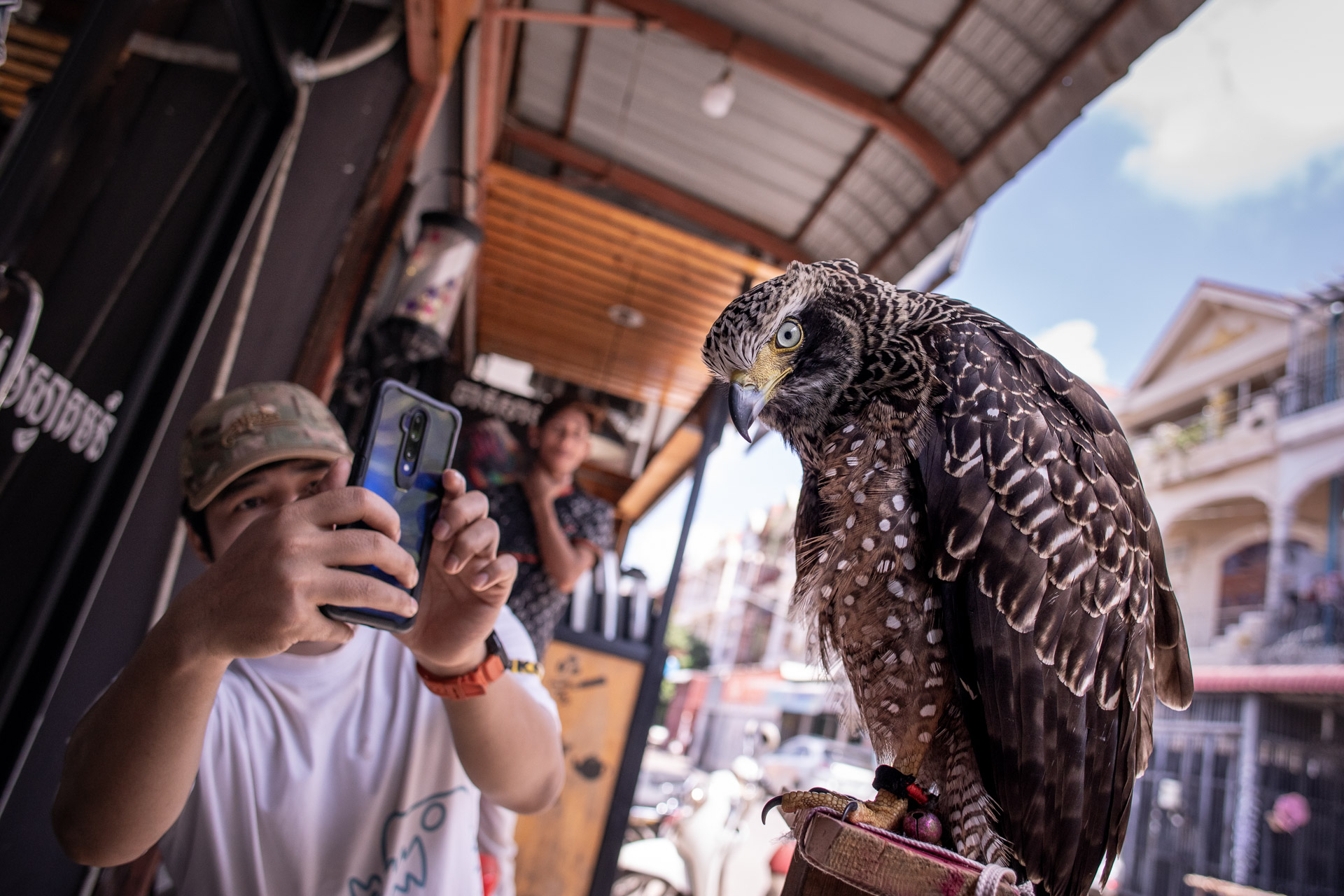
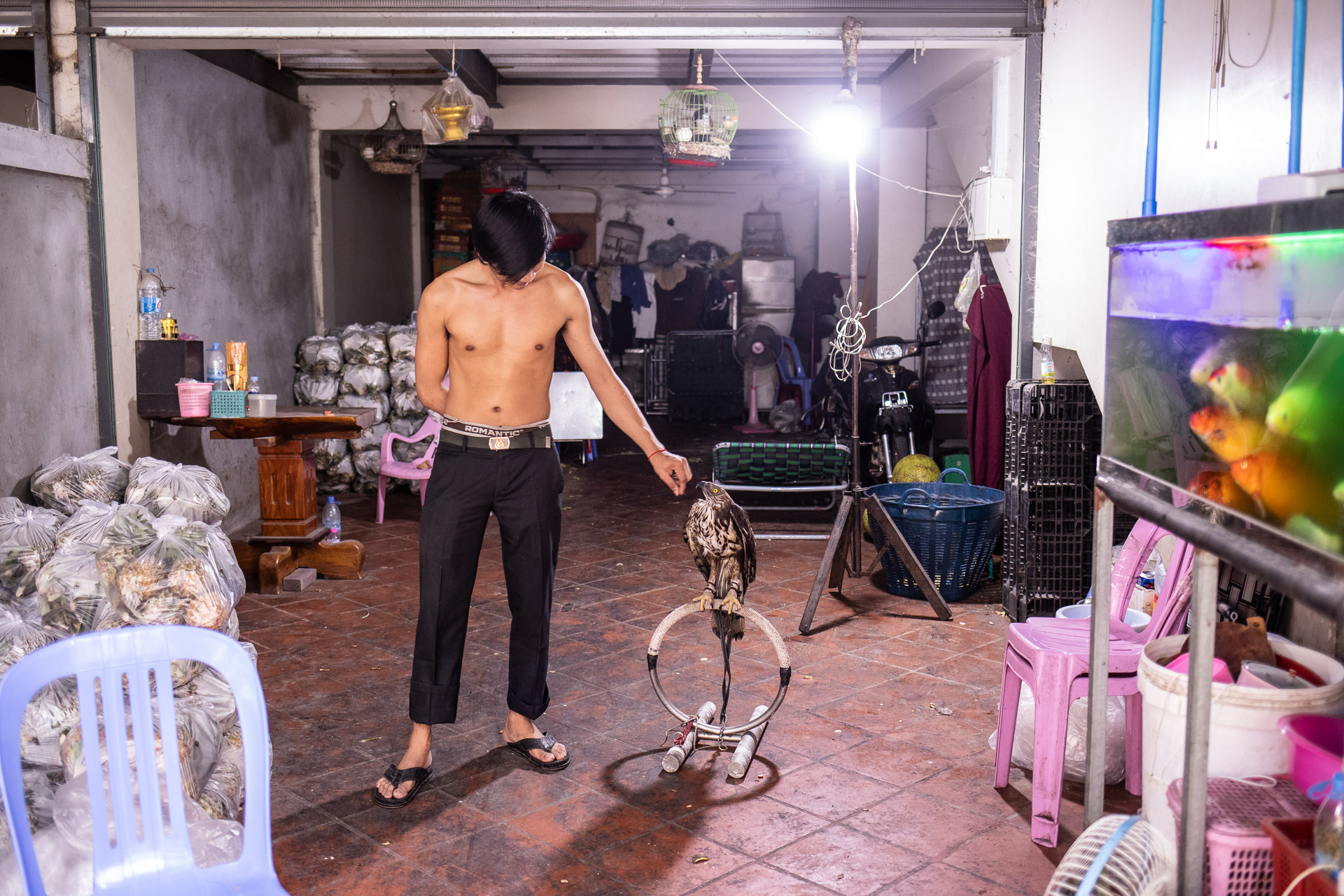

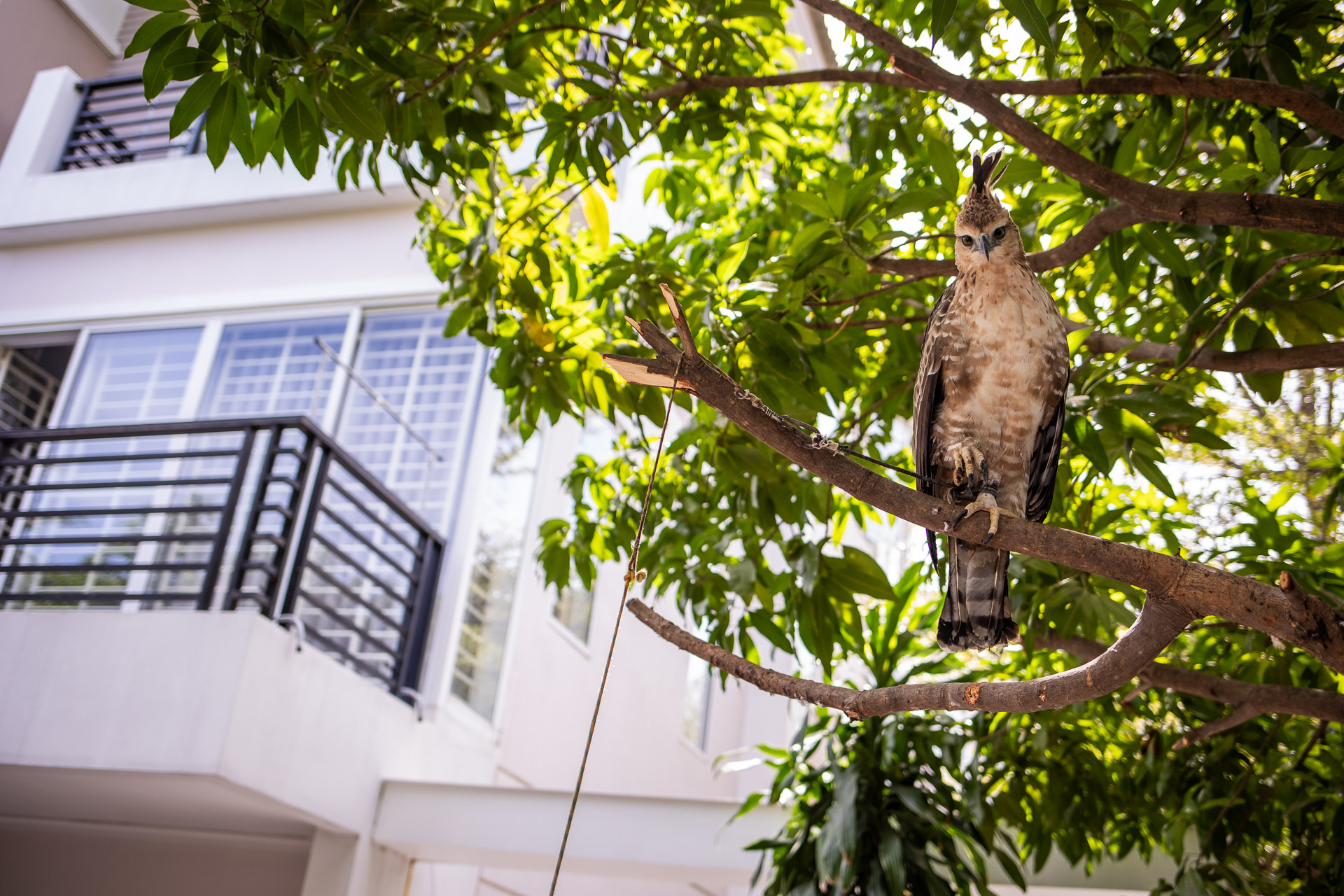
Bottom, left: a man shows the photo of a black-winged kite chick that was taken from its nest by his father. He eventually released it, but the six other chicks taken from the same clutch all died. Black-winged kites, a small whitish raptor with black wings and the bearing of a falcon, are one of the most commonly traded birds of prey in Cambodia. Battambang, October 2025
Bottom, right: a changeable hawk-eagle kept by a Chinese national in Borey Penh Huoth, an expensive gated community. Following a report by a neighbor, the owner was told by the Wildlife Rapid Rescue Team, a law enforcement taskforce, that a $350 permit would be necessary to legalize ownership. The owner eventually chose not to keep the hawk-eagle, but its whereabouts are unknown. The taskforce ceased operations in 2025. Phnom Penh, December 2024.
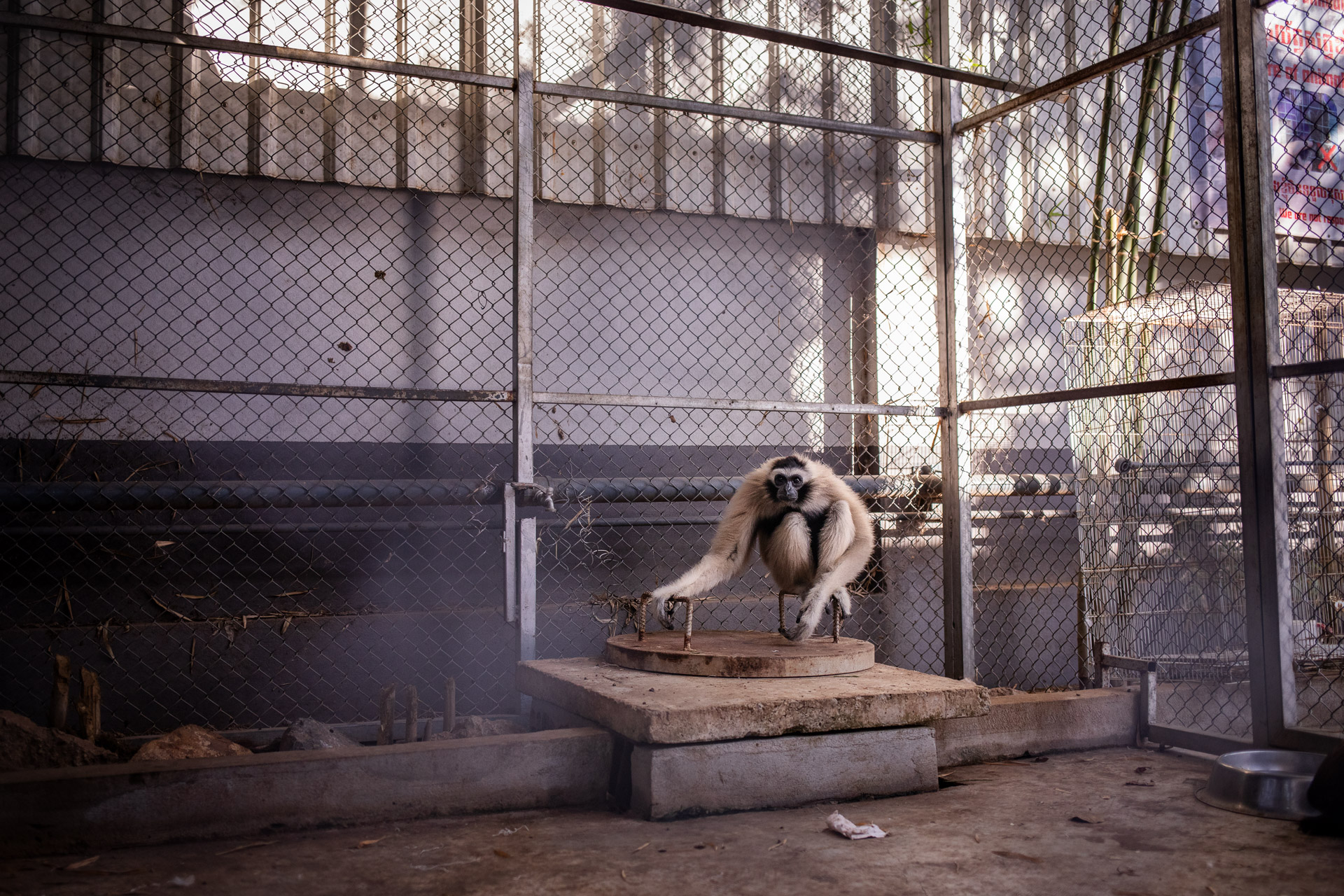
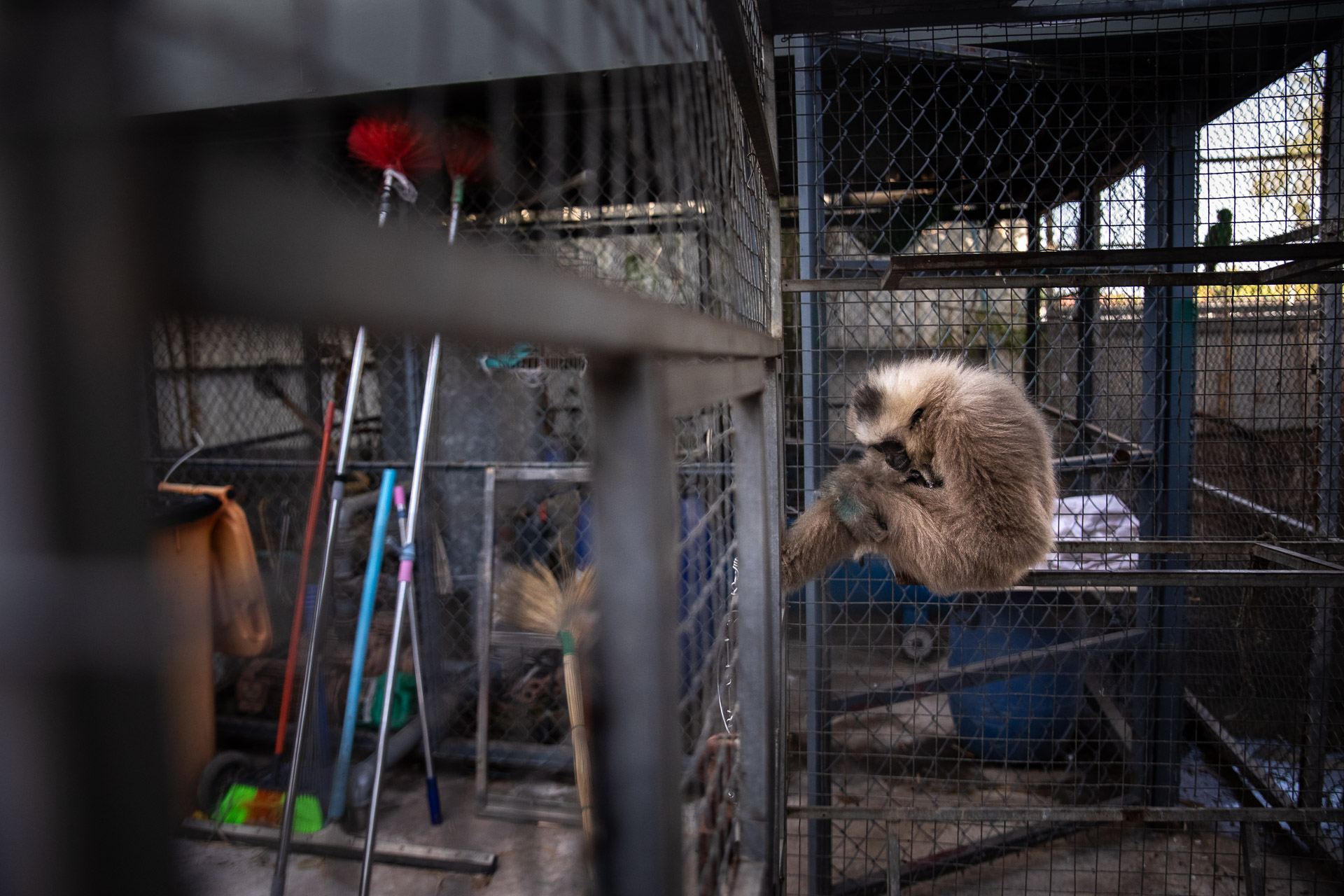
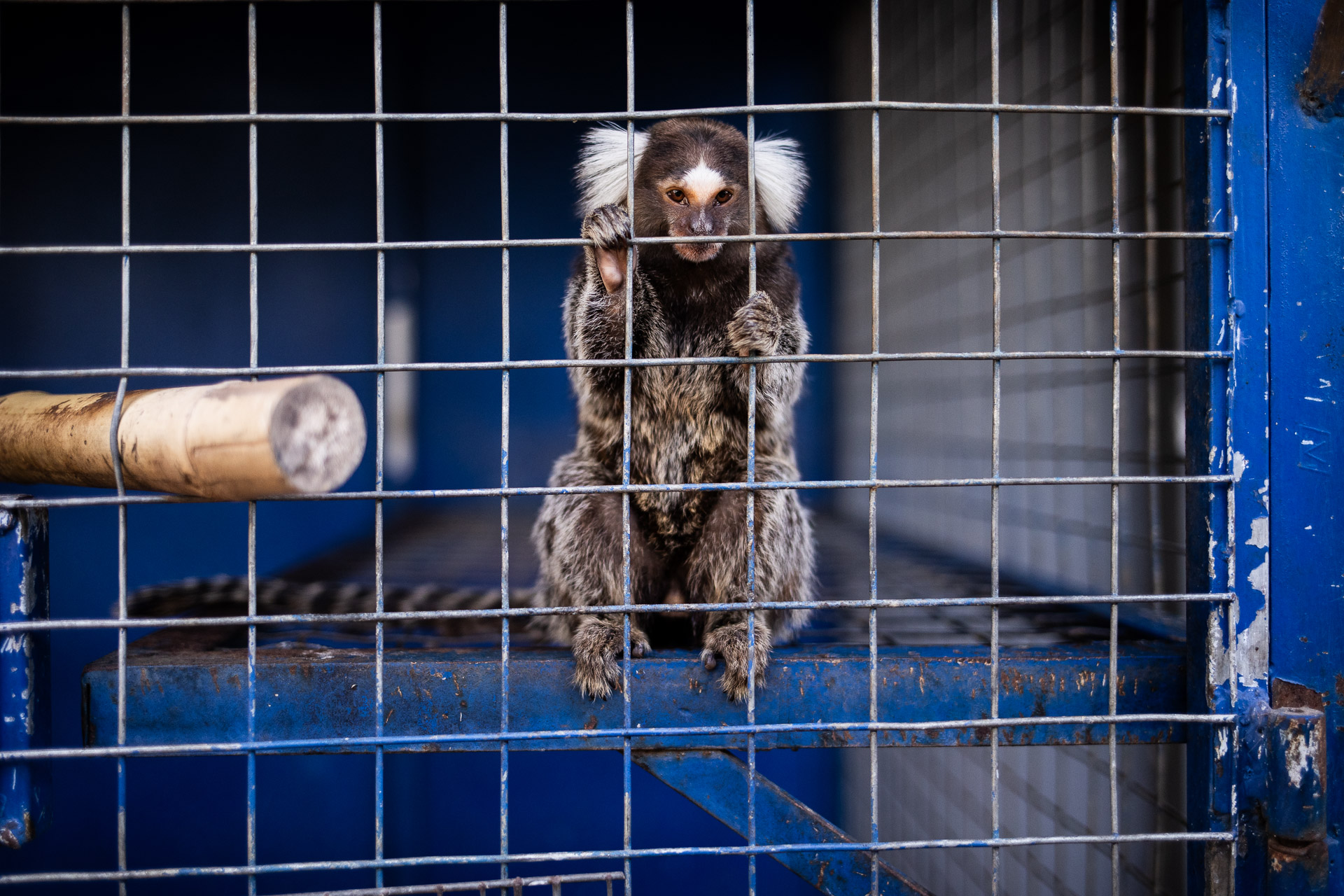
A gas station in Pursat, western Cambodia, is displaying a host of protected wildlife and exotic species in a public mini-menagerie. A 2024 Mongabay investigation revealed several animals had been smuggled from Thailand. Two endangered pileated gibbons kept at the facility were likely held illegally, the species being protected in Cambodia and listed on CITES Appendix I. According to the report, two gibbons had been previously sent from the station to a private zoo owned by Cambodian tycoon Mong Reththy, while another three individuals were confiscated in 2022 by the now closed Wildlife Rapid Rescue Team.
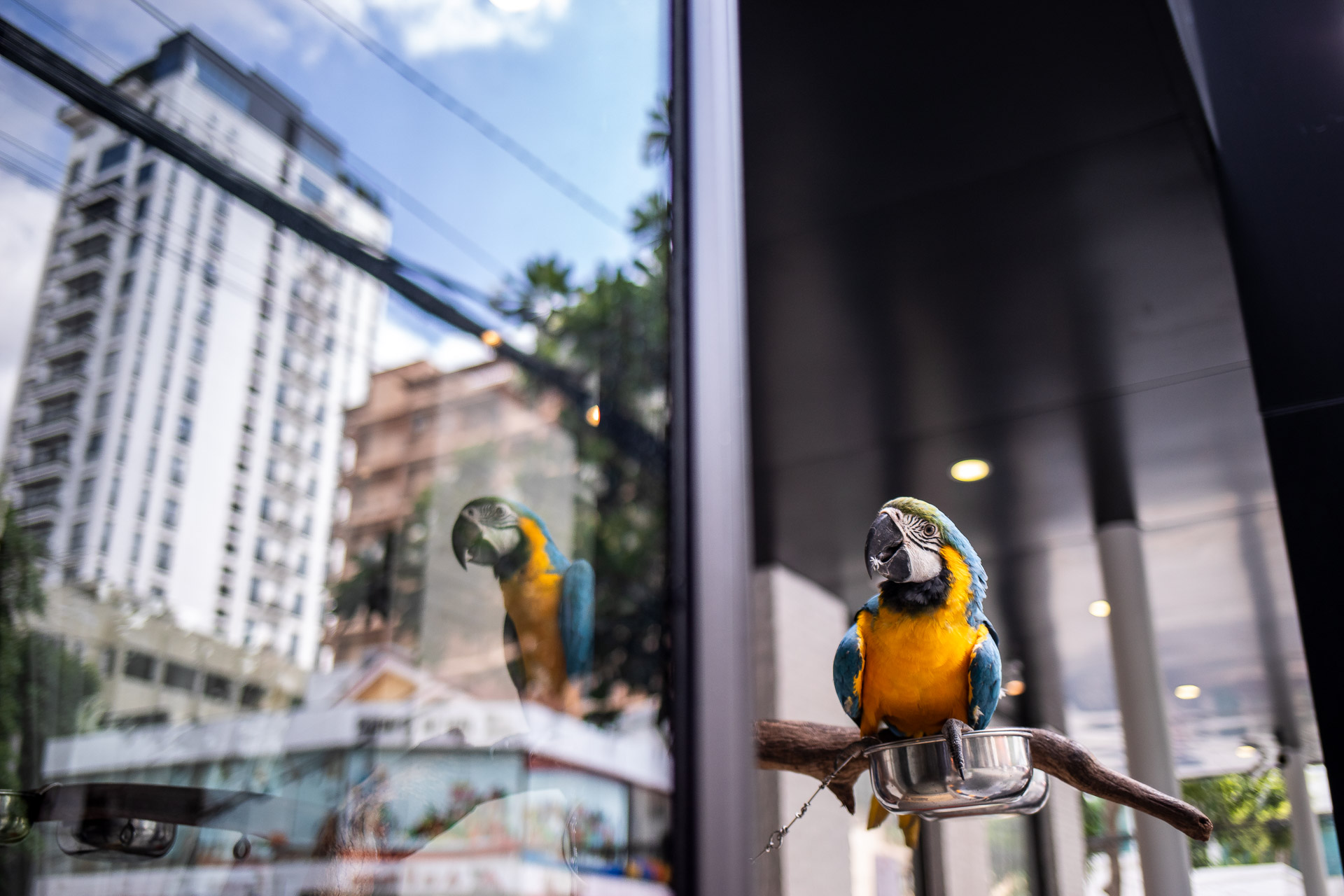
Macaws are another favourite of the pet trade. Legal imports of parrots to Cambodia appear to have surged in 2024, with 140 blue-and-yellow macaws recorded on the CITES database. A shop owner said they fetch for $2,000 while rarer species like the blue hyacinth macaw has been advertised for $30,000, in spite of an absence of records on the CITES database. Conservationists say macaws seen in Asia are likely from captive-breeding operations, but the lack of enforcement of international conservation agreements increases the risk of laundering wild-caught wildlife as captive-bred.
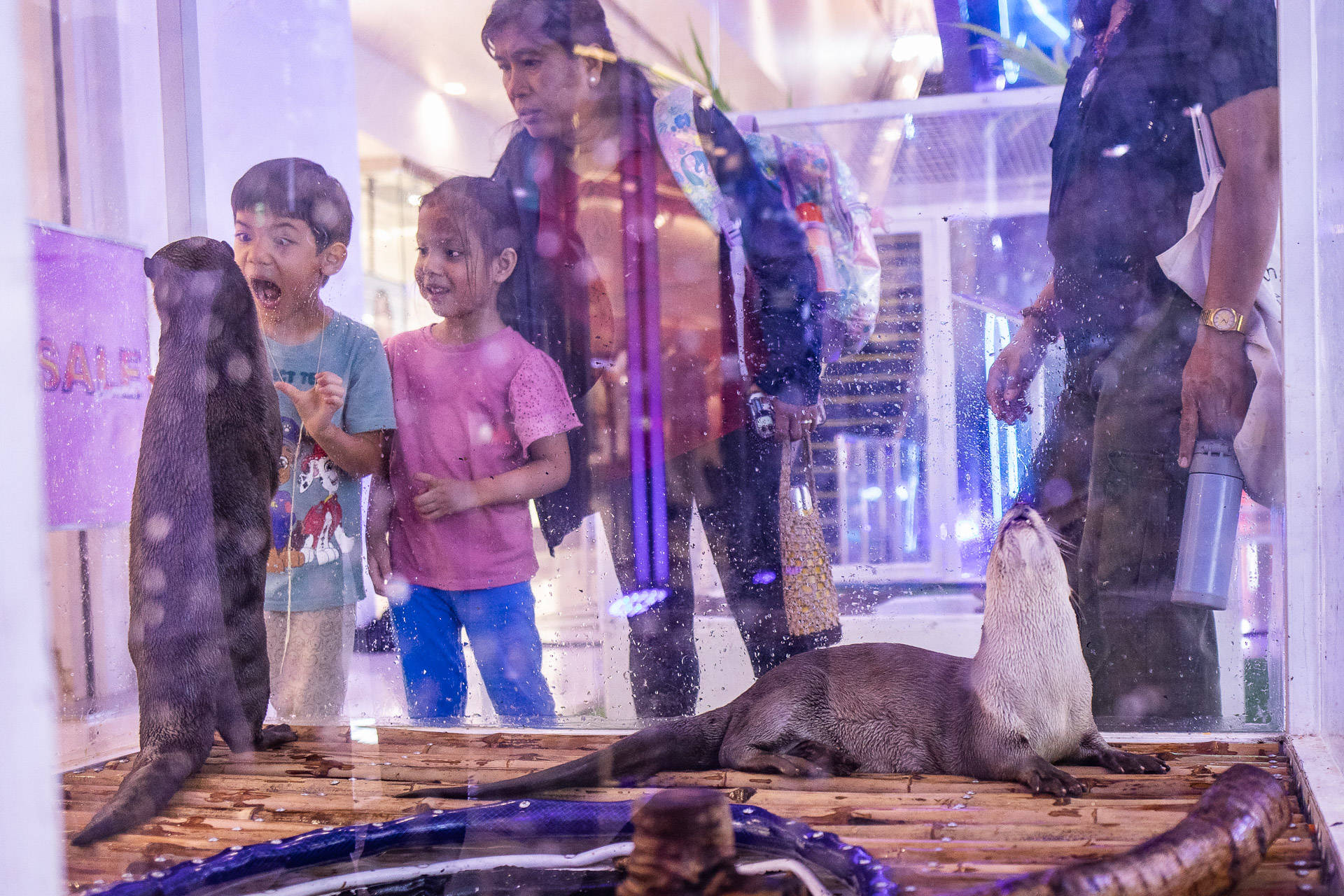
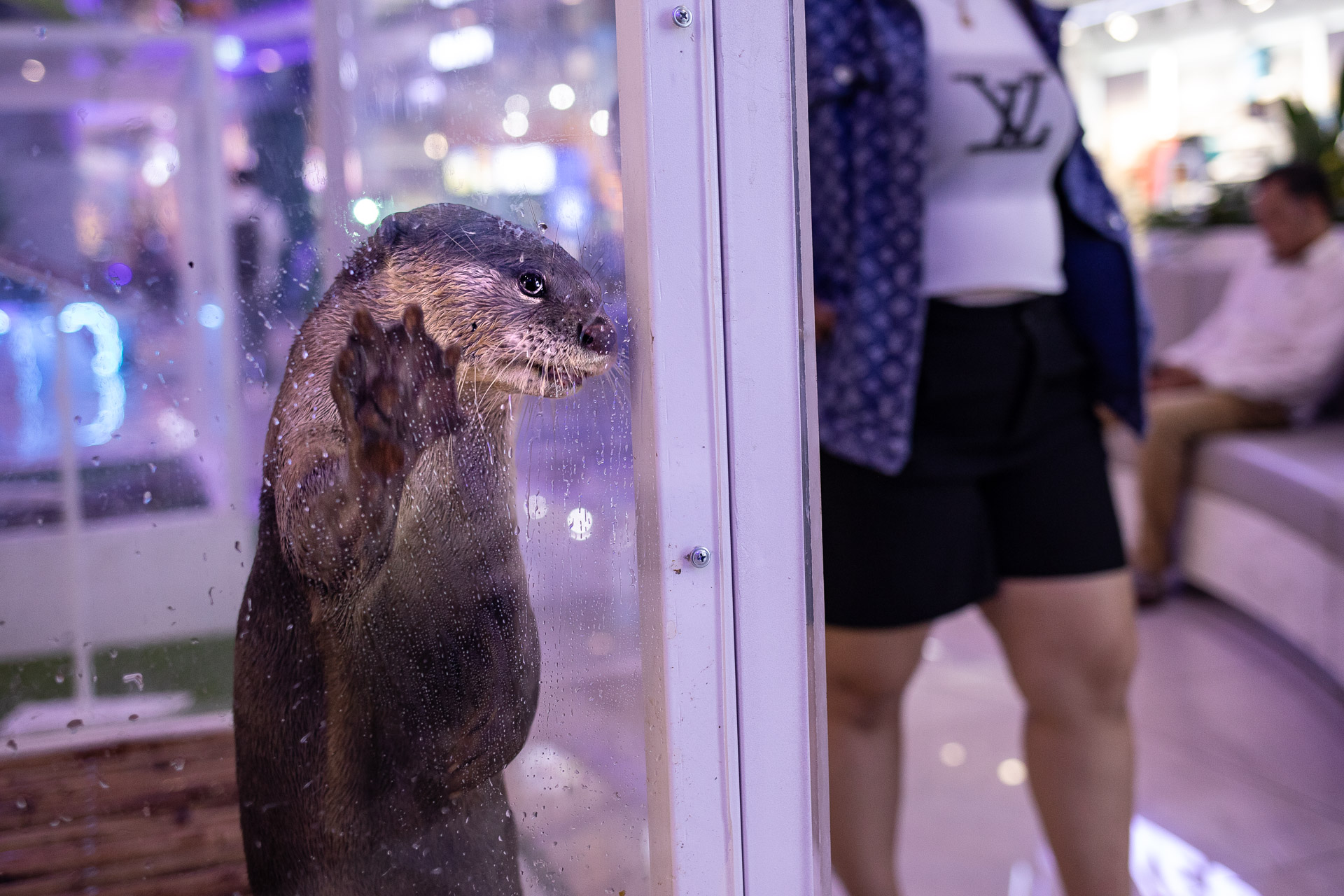
A pop-up event in Phnom Penh’s Aeon Mall displays locally threatened smooth-coated otters and siamese crocodiles alongside other local and exotic species in small transparent enclosures with no shelter for resting. The exhibition was said to be held legally and staff from Phnom Penh Safari zoo, notoriously known for its poor welfare standards, were seen feeding the animals. A month later, a live bird exhibition held in a different Aeon mall prompted local conservationists to complain to the Aeon Foundation in Japan, which funds conservation projects as part of their CSR strategy.

Recent work
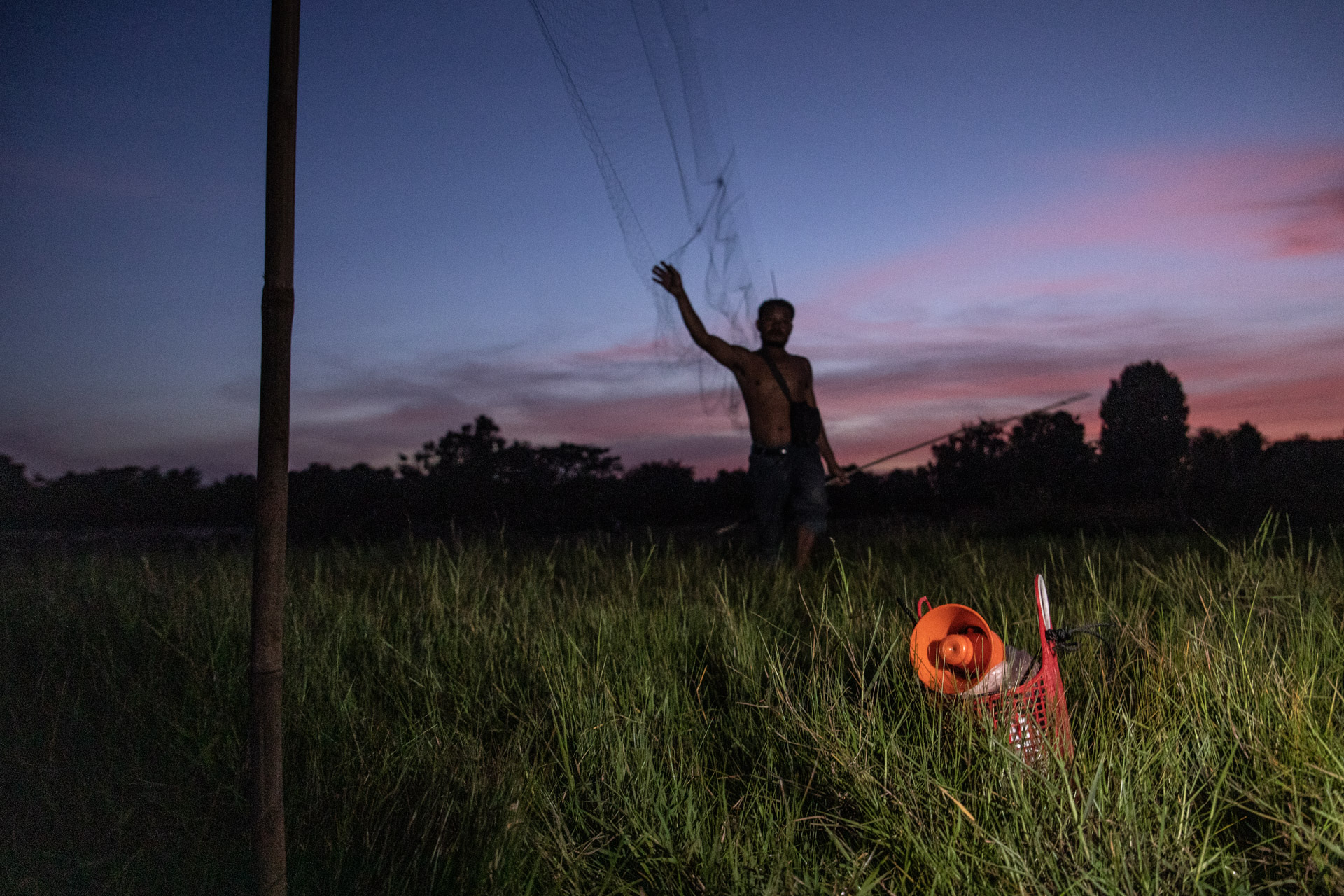
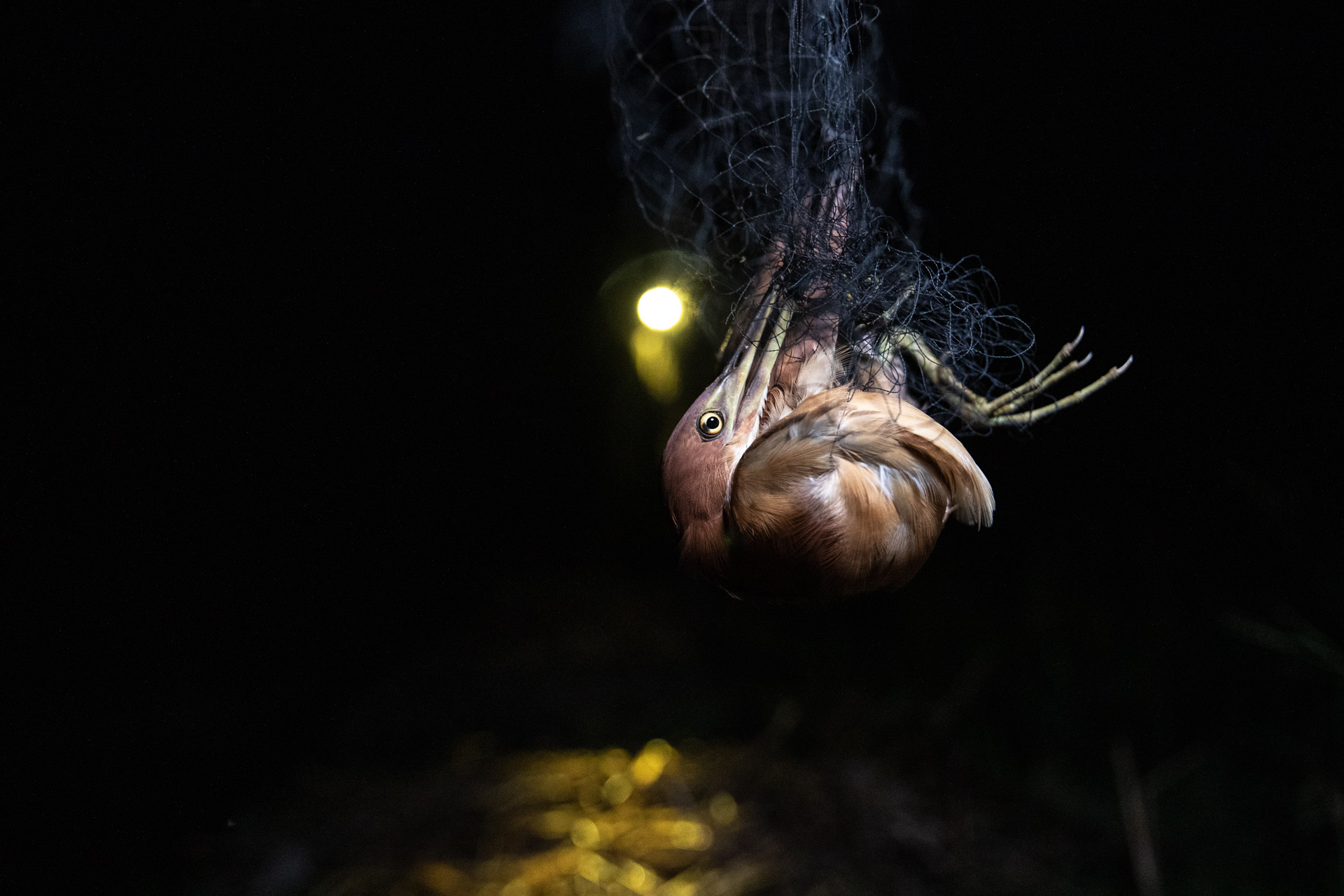
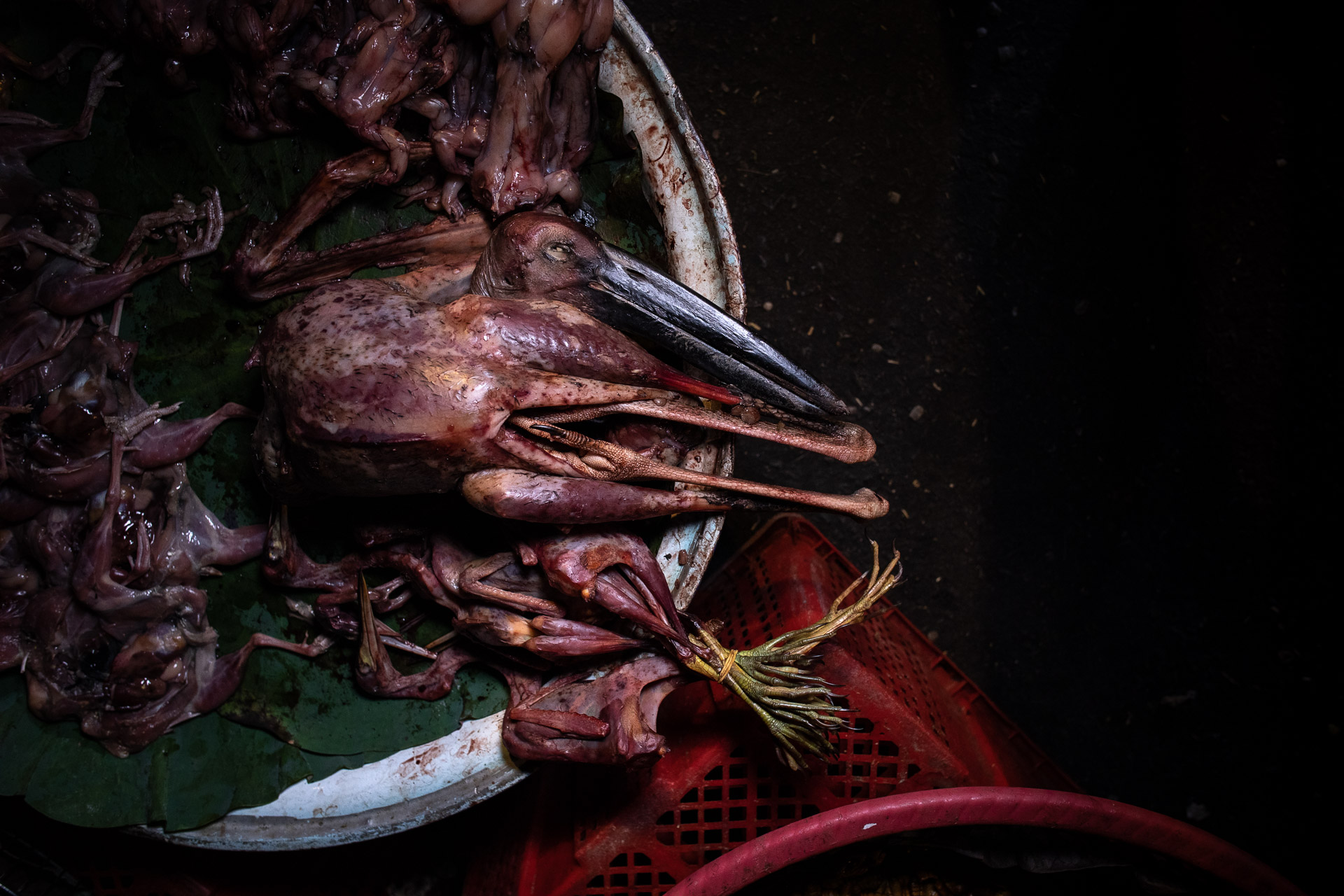
Bird Hunting in Cambodia driven by poverty and lax enforcement
Dialogue Earth & CamboJA News + Mongabay reel, 2025
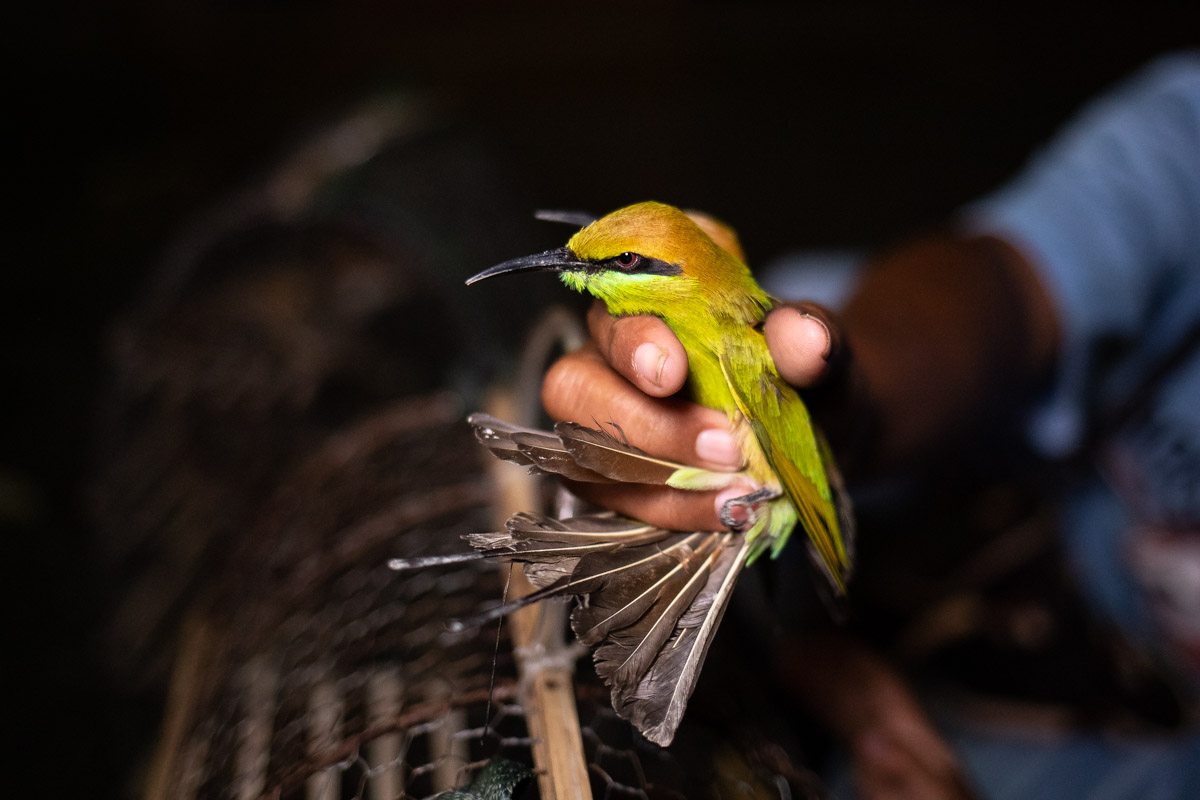
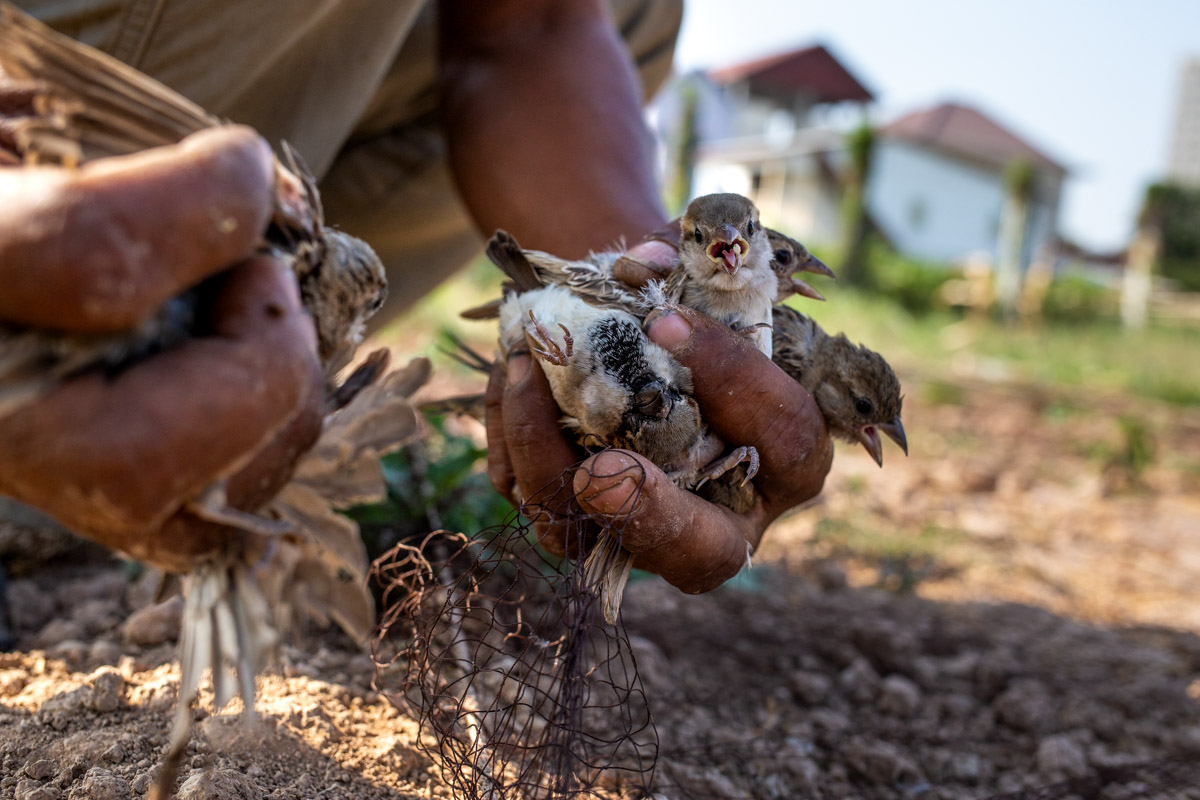
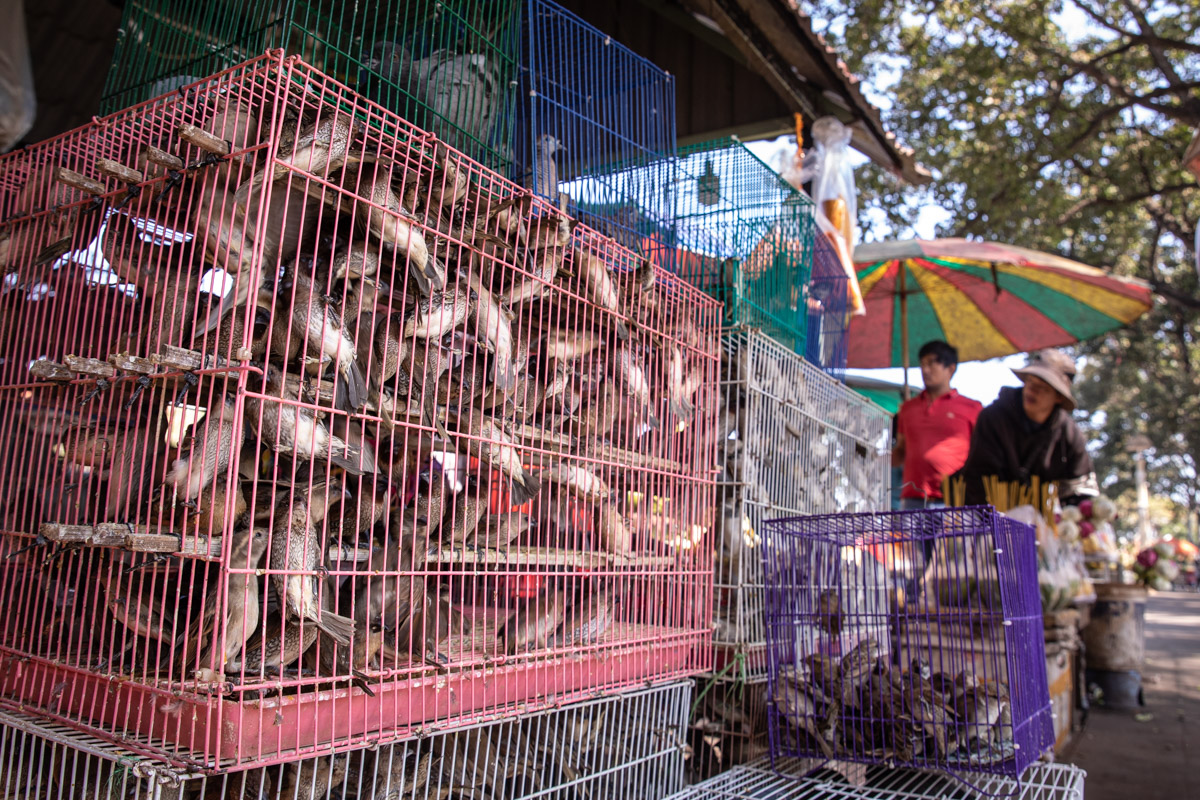
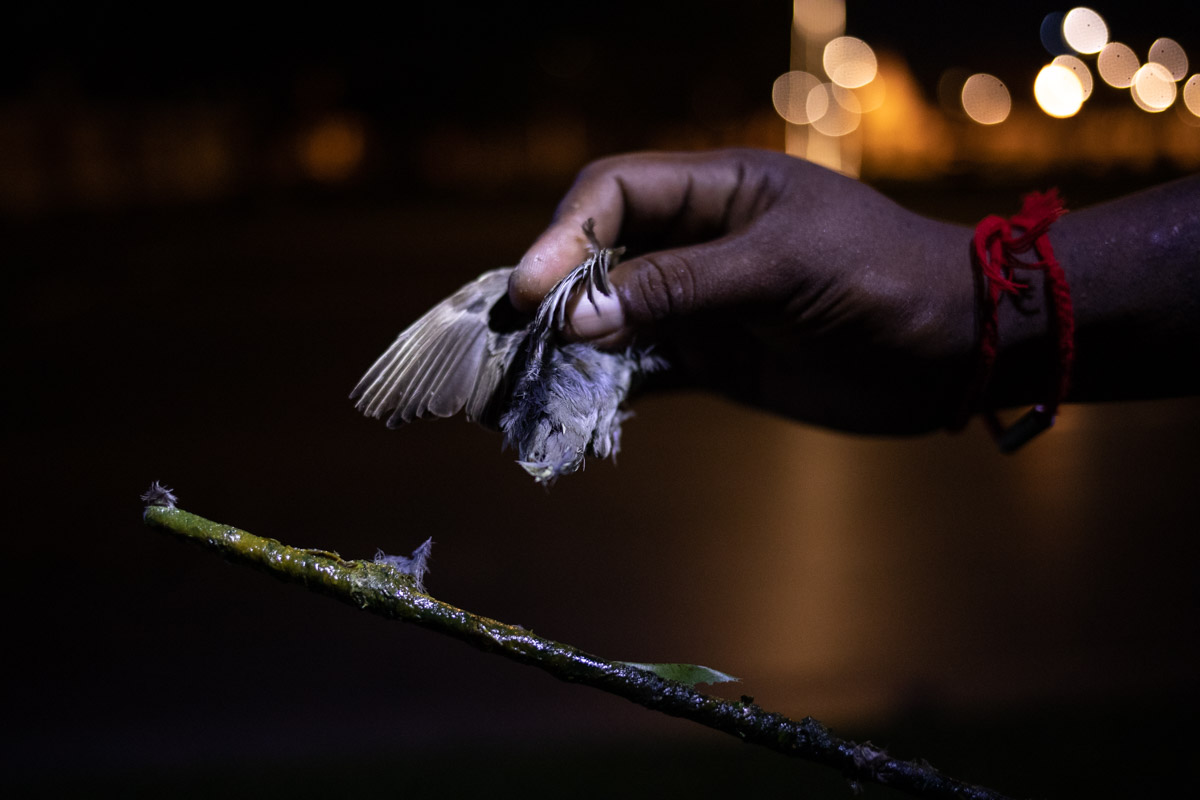
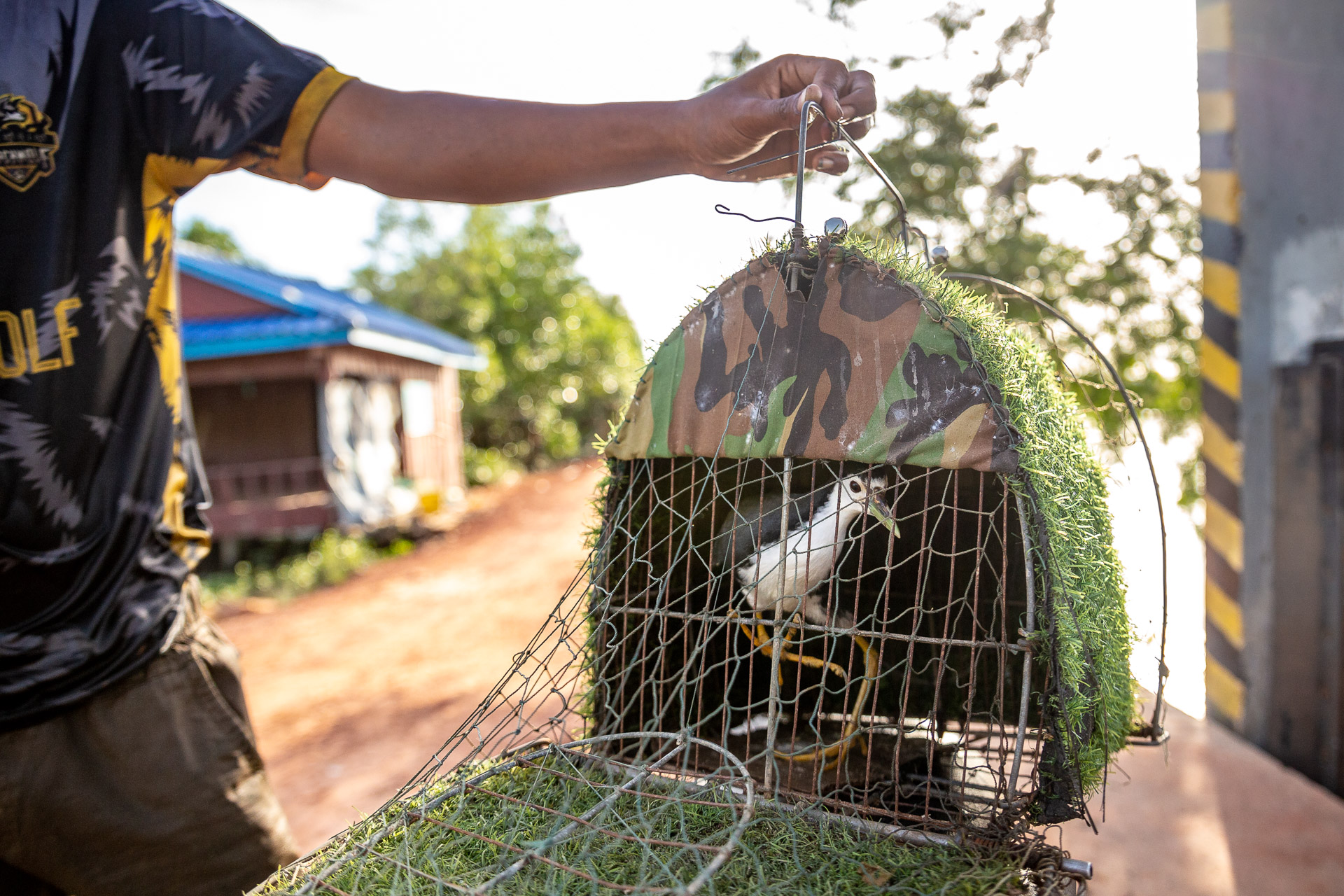
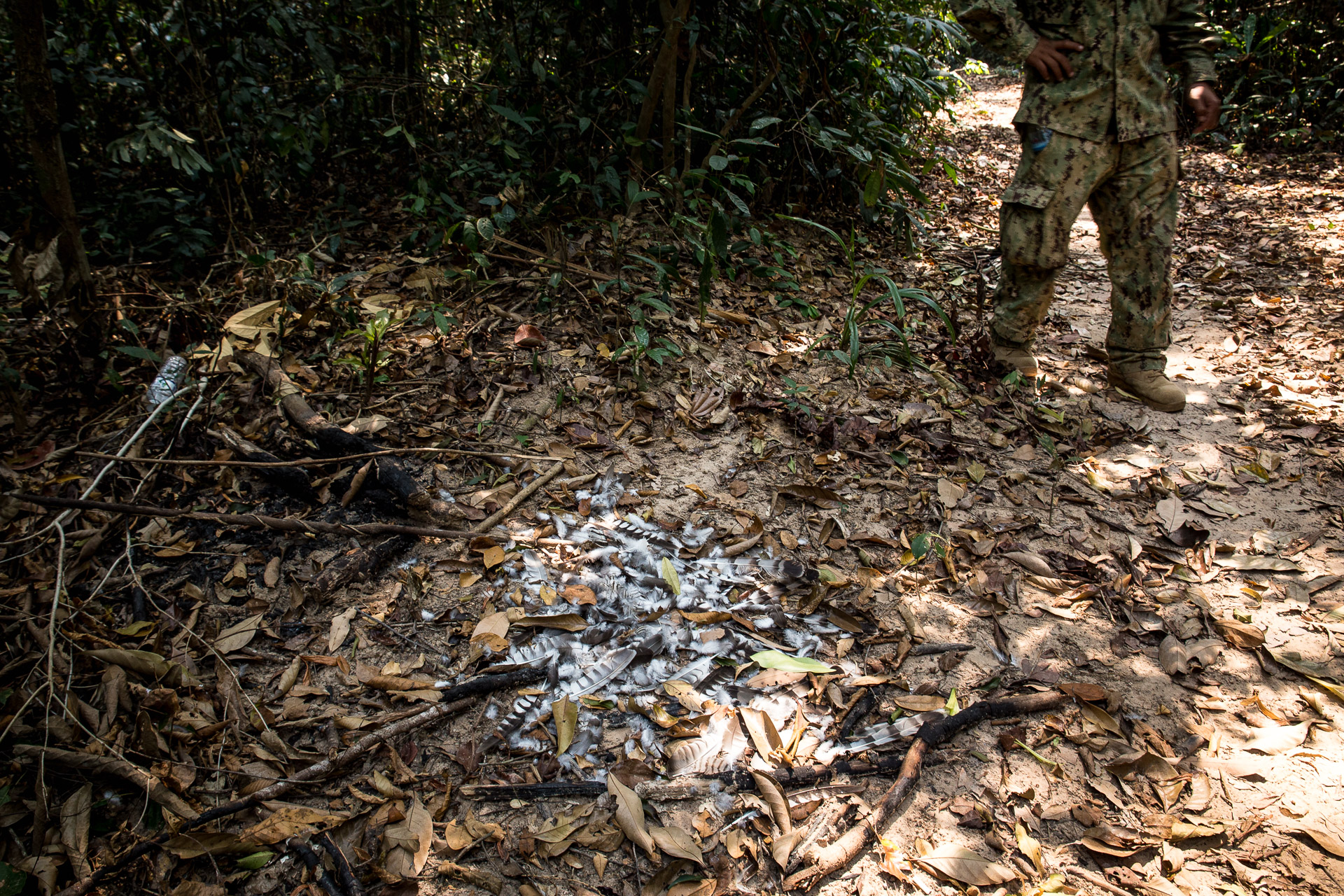
Catching birds is common in Southeast Asia, with up to 500 species found hunted in recent years, endangering several species. Already known for its « empty forests », bird conservationists now fear that the region will soon face « empty wetlands and farmlands. »
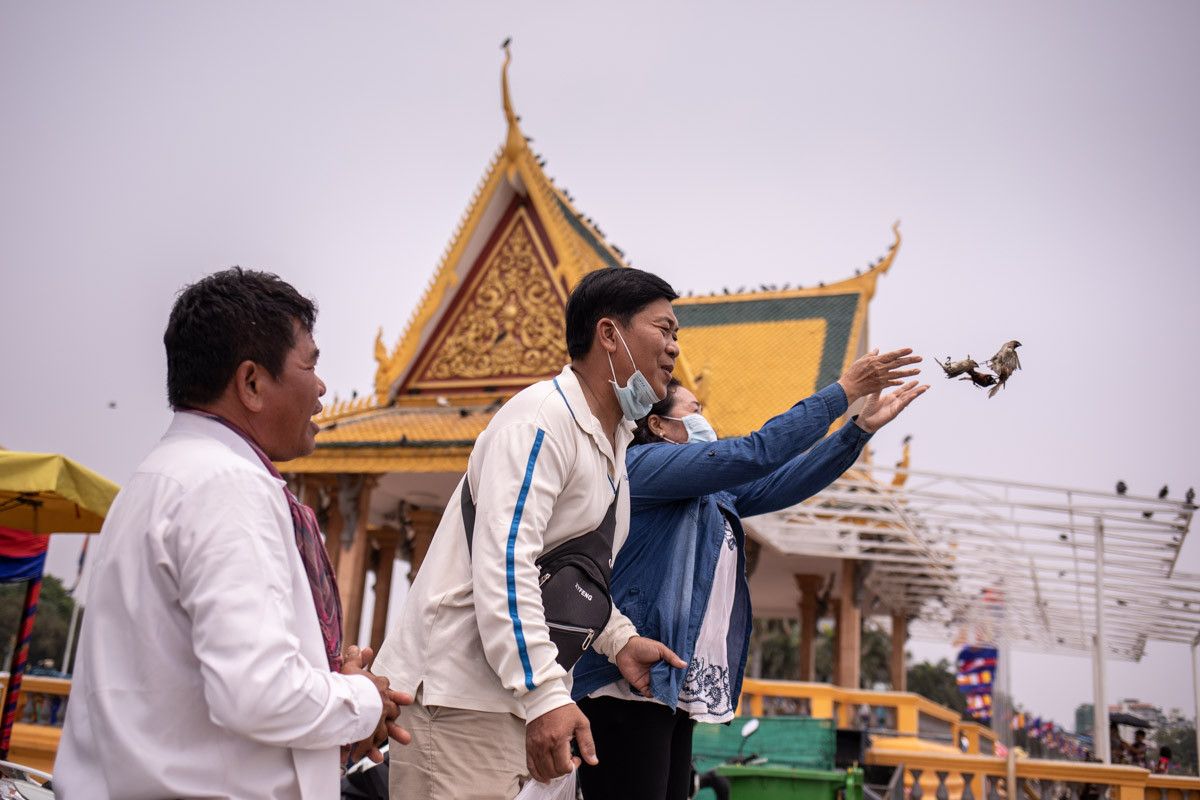
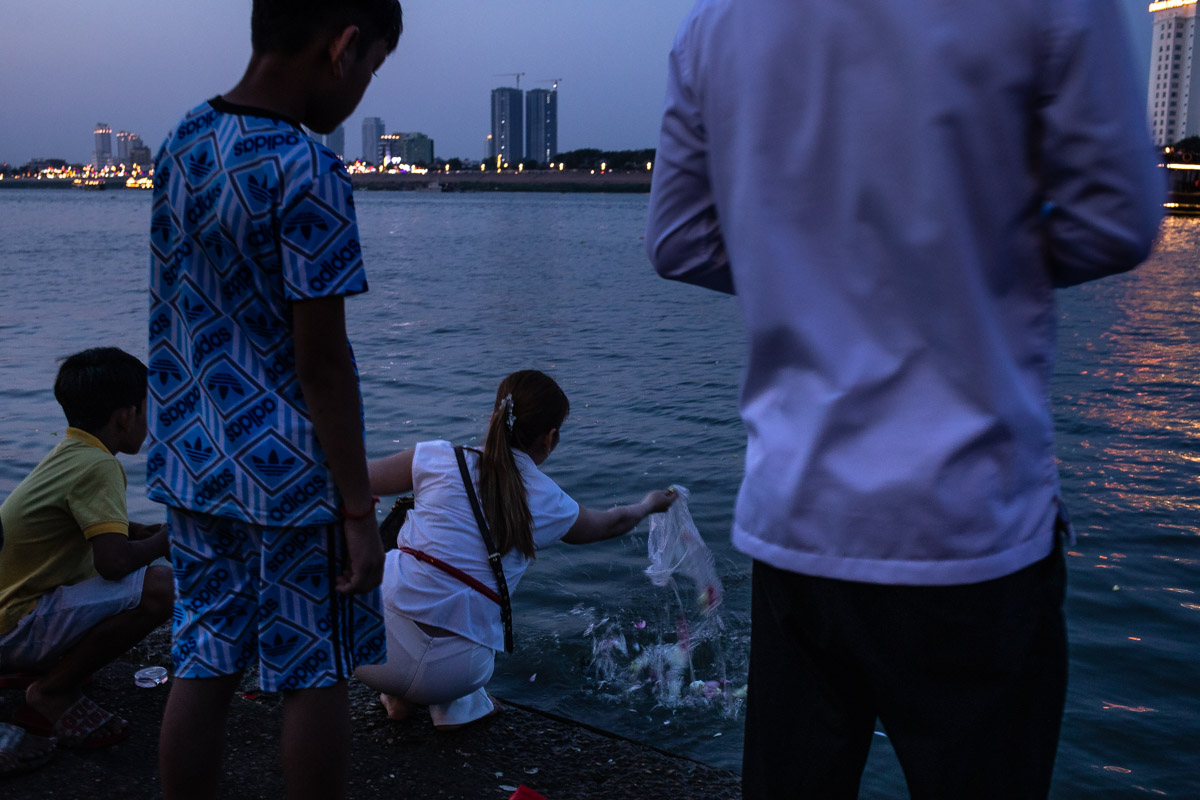
How animals suffer for Buddhists to earn spiritual points
South China Morning Post (cover) & VOA Khmer, 2024
Across Southeast Asia, the Buddhist practice to ‘free’ animals for good luck and better karma is widespread. In Cambodia alone, this leads to more than 10 million animals being captured, sold and released every year, with many dying in the process.